Category

Cell lines

Driving discovery with our cancer cell lines

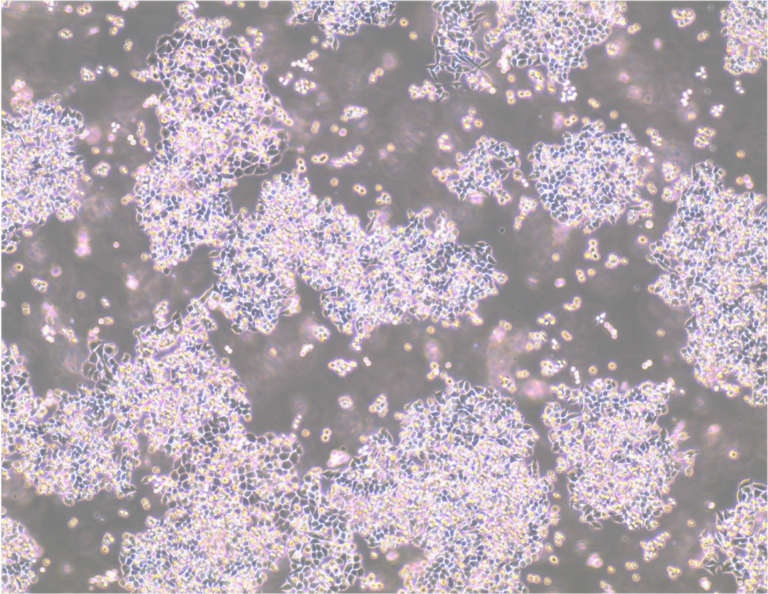
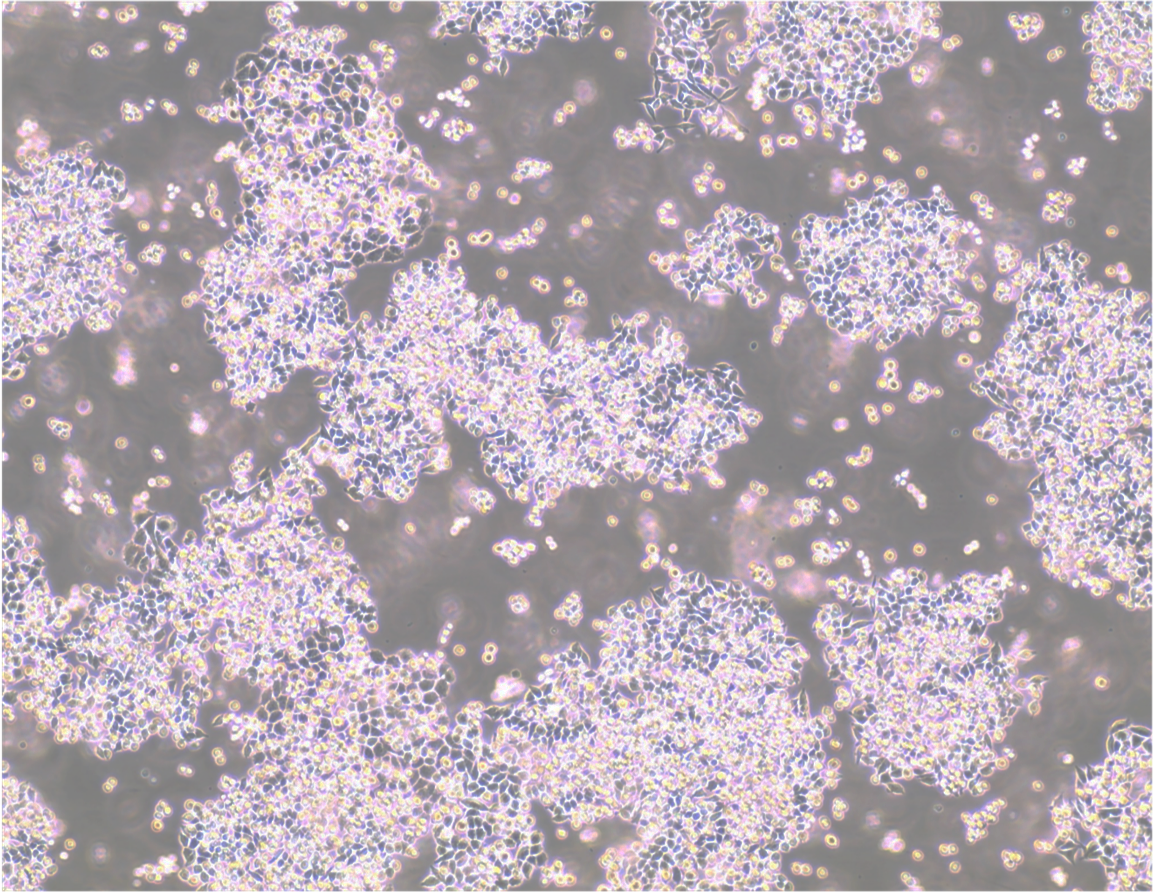
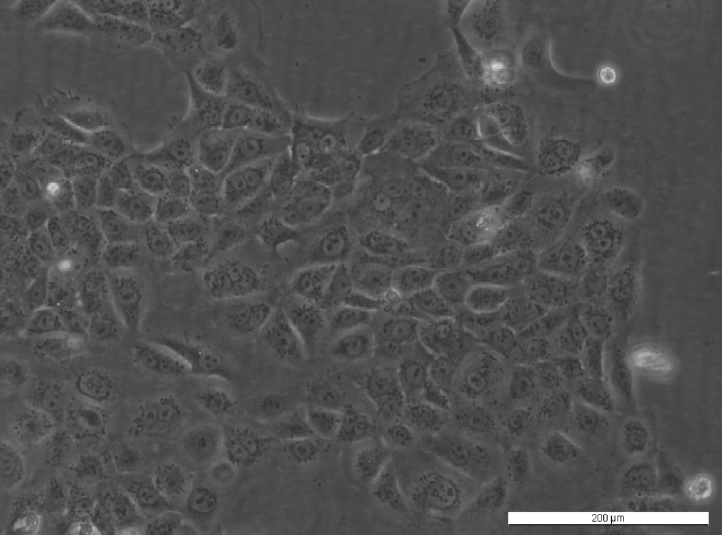
PEO1 Cell Line. 3 days post plating. Image courtesy of the European Collection of Authenticated Cell Cultures (ECACC)

At CancerTools, we’re proud to power global cancer research through one of the most comprehensive collections of cancer cell lines. Our portfolio includes 1,500 well-characterised models developed by leading cancer scientists and institutions, including pioneering research funded by Cancer Research UK. Each cell line carries with it a story of scientific innovation and impact. As a non-profit organisation that is part of Cancer Research UK, every purchase supports our shared mission to beat cancer. In this post, we highlight some of our most requested and influential cell lines – trusted by academic and industry researchers alike to drive discovery and innovation.

MB49: the original bladder cancer model

When it comes to bladder cancer research, MB49 remains one of the most referenced and relied-upon cell lines. CancerTools is the exclusive, verified source of the authentic MB49 line, obtained directly from originator Dr Leonard Franks at Cancer Research UK’s Lincoln’s Inn Fields (1).

MB49’s value lies in its ability to capture tumour-immune dynamics in an immunocompetent, syngeneic system. Because it recapitulates key features of the human bladder cancer microenvironment, you can use it to explore immune evasion, tumour progression, and therapeutic response with physiological relevance. Additionally, its demonstrated sensitivity to checkpoint inhibitors, including anti-PD1, makes it especially powerful for immunotherapy research and development (2). MB49-luciferase – a modified derivative of MB49 – also continues to be a vital model for immunotherapy research in immunocompetent C57BL/6 mice. It enables real-time in vivo tracking of tumour progression and metastasis, offering researchers crucial insights into cancer biology and immunology.

For researchers seeking a reliable, traceable and translationally meaningful bladder cancer model, MB49 offers a dependable foundation.

Explore the original MB49 line.

light microscope image of MB49 in culture

MB49 cell line, passage 3.

UM-UC panel: capturing bladder cancer diversity

Developed by Prof. H. Barton Grossman and Dr Anita Sabichi, the UM-UC panel comprises 11 patient-derived urothelial carcinoma cell lines (3). This panel is widely used for modelling bladder cancer heterogeneity and supports research ranging from drug resistance to biomarker discovery.

What makes the UM-UC panel so special? Each cell line – all well-characterised in literature – originates from a distinct patient tumour, capturing a spectrum of genetic and clinical backgrounds. This diversity and its close reflection of patient tumours allow researchers to explore everything from tumour biology and drug resistance to biomarker discovery (4). Because the panel includes well-documented tumourigenicity data, it supports both in vitro assays and in vivo modelling – a major advantage for those building on translational pipelines.

If you’re exploring tumour biology, screening therapeutics, or developing biomarkers, this panel offers a robust platform for confident experimental design.

Access the UM-UC bladder cancer panel.

PEO series: tracing drug resistance in ovarian cancer

Developed by Prof. Simon Langdon at Cancer Research UK’s Edinburgh Centre, the PEO series stands out as a powerful model for studying the evolution of drug resistance in high-grade serous ovarian cancer (HGSC) (5). Derived from a single patient at multiple treatment stages, these lines allow you to explore how ovarian cancer adapts across relapse and therapeutic pressure.

PEO1 arises from a relapse after prior platinum exposure and carries a BRCA2 Y1655X mutation that removes full-length BRCA2, resulting in homologous recombination (HR) deficiency (6). This makes it a robust, and widely used model for exploring platinum sensitivity, PARP inhibitor response, and the vulnerabilities associated with defective DNA repair. PEO4, taken at a later relapse, carries a BRCA2 reversion mutation that restores HR function – a defining feature associated with resistance to both platinum and PARP inhibitors6. PEO6, sampled later in the patient’s disease course shows further molecular changes, including restored BRCA2 function and treatment resistance – making it especially useful for modelling late-relapse HGSC (7).

To extend this series, in vitro–selected derivatives such as PEO1-OR (olaparib-resistant) and PEO1-CDDP (cisplatin-resistant) provide complementary models for studying how platinum and PARP inhibitor resistance emerges under therapeutic pressure. Together, these lines form a powerful toolkit for researchers investigating treatment resistance, synthetic lethality, and DNA repair dynamics in ovarian cancer (8).

Advance your ovarian cancer research with the PEO series.

PEO1 Cell Line. 3 days post plating. Image courtesy of the European Collection of Authenticated Cell Cultures (ECACC)

PEO1 cell line. 3 days post plating. Image courtesy of the European Collection of Authenticated cell Cultures (ECACC).

A2780: a foundational model for ovarian cancer

The A2780 cell line, originally developed by Dr Stuart Aaronson at the National Cancer Institute, remains one of the most widely used models for ovarian cancer research (9). Derived from an untreated patient with endometrioid adenocarcinoma, A2780 is well known for its intrinsic sensitivity to cisplatin, providing a dependable baseline for studies exploring cancer genetics and therapeutic toxicity.

Importantly, A2780 serves as the parent line for the widely used A2780cis (cisplatin-resistant) and A2780ADR (adriamycin-resistant) derivatives (10). This makes it a cornerstone model for researchers investigating how resistance emerges, how it can be overcome, and how new agents perform across sensitive-resistant pairs. Its ability to grow in both monolayer and suspension, coupled with reliable tumour formation in immunodeficient mice, allows seamless integration between in vitro assays and in vivo validation.

For researchers benchmarking therapies, validating mechanisms, or comparing resistance states, A2780 offers a reproducible and translationally relevant system.

Explore the A2780 lineage.

CMT series: in vivo tumourigenesis models for lung cancer metastasis

The CMT series – CMT 64/ CMT 64/61, CMT 167, and CMT 170 – originating from work by Prof. Peter Riddle at Cancer Research UK’s Lincoln’s Inn Fields, provides a dependable suite of murine alveolar lung cancer models widely used to study tumour growth, metastasis, and immune interactions (11). Their consistent morphology and stable metastases make them trusted tools for researchers seeking reproducible results.

CMT 64 is particularly valued as a robust in vivo tumourigenesis model, offering stable growth in culture and in lung metastases after subcutaneous inoculation. This reliability allows researchers to assess drug candidates, investigate tumour progression, and generate high-quality efficacy data on immunoresistance and metastasis (12,13). Building on this model, CMT 167 was developed with enhanced metastatic potential, making it especially powerful for modelling aggressive disease, mapping immune evasion, and evaluating therapeutic response in translational relevant contexts (14-16).

For scientists aiming to model clinically meaningful aspects of lung cancer progression and accelerate preclinical development, the CMT series delivers a proven and impactful set of tools.

Advance your lung cancer studies with the CMT series.

MCF7 and T47D: models for endocrine-resistant breast cancer research

Developed by Dr Anne Lykkesfeldt at the Danish Cancer Society, the anti-oestrogen-resistant MCF7 and T47D derivatives are derived from the foundational oestrogen-receptor-positive (ER+) breast cancer cell lines, MCF7 and T47D, providing clinically relevant models for studying how tumours adapt to hormone therapy. These variants demonstrate resistance to hormone-dependent breast cancer treatments, making them powerful tools for investigating resistance mechanisms and for supporting the development of novel predictive biomarkers for therapy response (17-21).

Anti-oestrogen–resistant derivatives, including tamoxifen-resistant lines such as MCF7/TAMR-1, provide a clinically relevant system for investigating how tumours evade hormone therapies. These lines allow researchers to uncover molecular drivers of resistance, test next-generation endocrine therapies, and generate reproducible, translationally meaningful results that support the development of more effective therapeutic strategies.

Additionally, gene-edited MCF7 derivative lines with site-specific BRCA1 promoter hypermethylation enable the study of BRCA1-silenced tumourigenesis without relying on genetic mutations. Together, this suite of breast cancer models offers a robust platform for advancing research into endocrine resistance and BRCA-related mechanisms with confidence.

Access the MCF7 and T47D models.

MC7F/TAMR-8 cell line. Image courtesy of the European Collection of Authenticated cell Cultures (ECACC).

HCT 116 BRCA2-/-: colorectal cancer models for translational research

The HCT 116 BRCA2-/- clones, developed by Dr. Carlos Caldas at Cancer Research UK Cambridge Institute, are derived from the well-characterised human colorectal carcinoma line HCT 116. These homozygous knockout lines, including Clone 46 and Clone 42, feature targeted disruption of BRCA2, resulting in the loss of Rad51 foci, chromosomal rearrangements, and heightened sensitivity to DNA-damaging agents and PARP1 inhibitors (22).

By offering a BRCA2-deficient background that can be experimentally compared against wild-type HCT 116, these models enable researchers to generate reproducible, clinically relevant preclinical data. They are widely used to support investigations into DNA repair mechanisms, synthetic lethality, and therapeutic vulnerabilities, offering insights that are directly translatable to drug development and precision oncology.

For teams studying BRCA2-driven biology or testing new therapeutic strategies, the HCT 116 BRCA2-/- clones provide a robust platform for generating translationally meaningful results, supporting confident decision-making in preclinical pipelines.

Explore the HCT116 BRCA2-/- clones.

Why researchers choose CancerTools

At CancerTools, we provide peer-reviewed, expert-developed research products that deliver reproducible, high-quality, and meaningful results. By sourcing or depositing tools through us, scientists contribute to a global ecosystem that accelerates cancer discovery, ensuring their work has lasting impact and drives the next generation of cancer breakthroughs.

We make access to these research tools seamless: streamlined licensing, reliable distribution, and worldwide availability remove barriers so researchers can focus on science, not logistics. As a not-for-profit, every accessed tool, including cell lines, supports both the originating inventor or institute and Cancer Research UK, reinvesting in future discoveries while creating a legacy that shapes the field.

Access the tools trusted by leading cancer researchers today. Explore our cell line catalogue and find the models that will advance your next breakthrough.

References

  1. Summerhayes IC et al. 1979. Journal of the National Cancer Institute. 62(4):1017–1023. PMID: 107359
  2. Vandeveer AJ et al. 2016. Cancer Immunology Research. 4(5):452–462. PMID: 26921031
  3. Sabichi A et al. 2006. The Journal of Urology. 175(3):1133–1137. PMID: 16469639
  4. Zuiverloon TCM et al. 2018. Bladder Cancer. 4(2):169–183. PMID: 29732388
  5. Langdon SP et al. 1988. Cancer Research. 48(21):6166–6172. PMID: 3167863
  6. Sakai W et al. 2009. Cancer Research. 69(16):6381–6386. PMID: 19654294
  7. Biegala L et al. 2023. Cells. 12(7):1038. PMID: 37048111
  8. Greenwood W et al. 2019. Clinical Cancer Research. 25(8):2471–2482. PMID: 30651275
  9. Parker RJ et al. 1991. Journal of Clinical Investigation. 87(3):772–777. PMID: 1999494
  10. Dutil J et al. 2019. Cancer Research. 79(7):1263–1273. PMID: 30894373
  11. Franks LM et al. 1976. Cancer Research. 36(3):1049–1055. PMID: 1253168
  12. Rincón E et al. 2017. Oncotarget. 8(28):45415–45431. PMID: 28525366
  13. Miyashita N et al. 2021. Sci Rep. 17;11(1):22380. PMID: 34789779
  14. Evans et al. 2009. Cancer Res. 69(5):1733-8. PMID: 19208832
  15. Li et al. 2017. Cancer Immunol Res. 9: 767-777. PMID: 28819064
  16. Bullock et al. 2019. Life Sci Alliance. 27;2(3): e201900328. PMID: 31133614
  17. Lykkesfeldt AE et al. 1986. British Journal of Cancer. 53(1):29–35. PMID: 3947513
  18. Kirkegaard T et al. 2014. Cancer Letters. 344(1):90–100. PMID: 24513268
  19. Thrane et al. 2015. Oncogene. 34:4199–4210. PMID: 25362855
  20. Elias et al. 2015. Oncogene. 34:1919–1927. PMID: 24882577
  21. Larsen et al. 2015. PLoS One. 23;10(2):e0118346. PMID: 25706943
  22. Xu H et al. 2014. Journal of Pathology. 234(3):386–397. PMID: 25043256

Advancing pancreatic cancer research with the KPC cell line

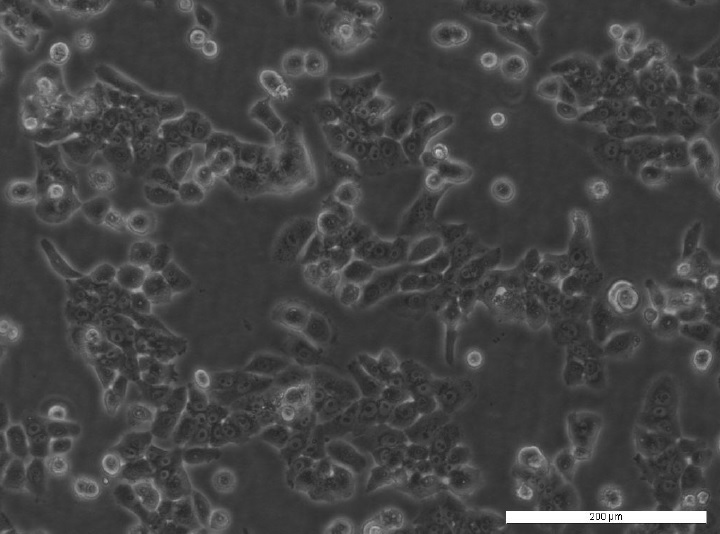
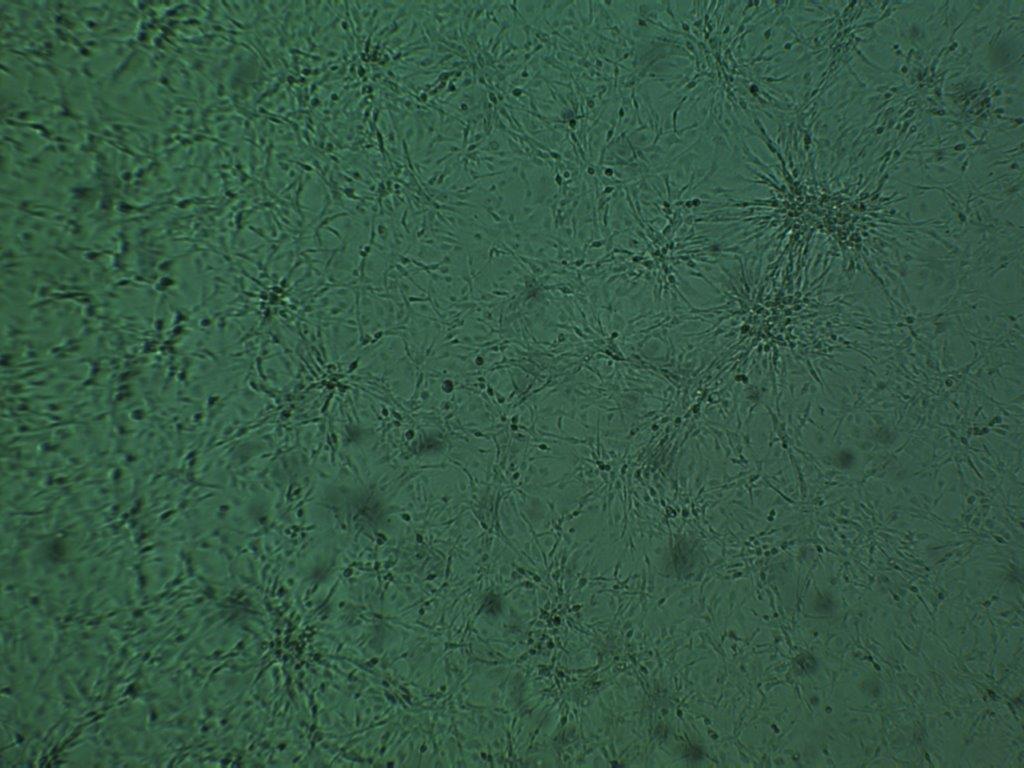
KPC Cell Line (C57/BL6 genetic background) cell sheet monolayer

Pancreatic cancer research faces significant challenges, partly because traditional preclinical models often fall short in capturing the complexity of human disease biology. The KPC cell line was developed to provide a robust tool for studying tumour biology, testing therapeutic compounds, and driving new discoveries. In this feature, we spoke with the inventor of the KPC cell line, Prof. Jennifer Morton, at Cancer Research UK Scotland Institute, to explore how the cell line was developed and to gain insights into its growing impact on pancreatic cancer research.

The challenge of modelling pancreatic cancer

Pancreatic cancer remains one of the most lethal malignancies, ranking as the sixth leading cause of cancer-related deaths worldwide (1). Pancreatic ductal adenocarcinoma (PDAC) accounts for more than 90% of all pancreatic tumours and is characterised by a complex and dynamic tumour microenvironment (TME) that drives disease progression and treatment resistance.

Despite significant research efforts, many preclinical models still fall short of capturing the full complexity of human pancreatic cancer, particularly the TME and disease heterogeneity, which limits their translational value. Traditional 2D cell line models, for instance, often fail to replicate key features such as interactions with stromal or immune components, leading to data that may not accurately predict clinical outcomes and contributing to the high failure rate of novel therapies in clinical trials.

Prof. Jennifer Morton

Prof. Jennifer Morton, Cancer Research UK Scotland Institute

PDAC is also a highly heterogeneous disease, most commonly driven by alterations in KRAS, TP53, CDKN2A, and SMAD4 (2). Yet, current preclinical models rarely reflect this genetic and molecular diversity – a critical gap when developing personalised therapies that match the complexity of the disease. To address these challenges, the KPC cell line was developed by Professor Jennifer Morton and her team at the Cancer Research UK (CRUK) Scotland Institute. Engineered with mutations in both KRAS and TP53, the KPC cell line closely mirrors the genetics and physiology of human PDAC.

It provides researchers with a clinically relevant preclinical tool for studying tumour biology, evaluating therapeutic efficacy and toxicity, and advancing novel approaches including targeted therapies and immunotherapies, such as checkpoint inhibitors.

Introducing the scientist behind the KPC cell line

Prof. Jennifer Morton first joined the CRUK Scotland Institute as a postdoctoral researcher, focusing on pancreatic cancer mouse modelling. Now a Group Leader, her team uses genetically engineered mouse models (GEMMs) to mimic the driver mutations and immunosuppressive TME that define human PDAC, building clinically relevant tools for testing novel therapies that target both tumour cells and the surrounding stroma.

Driven by limitations of existing models, Prof. Morton set out to create a more rapid, flexible and scalable system. Her goal was to develop a model that could accelerate research while preserving the biological complexity needed for translational studies – a mission closely aligned with Cancer Research UK’s broader commitment to enabling impactful research through innovative and collaborative science.

A model built from challenge

The KPC cell line was developed from a well-established GEMM of pancreatic cancer, designed to mimic the aggressive nature of human PDAC. By simultaneously activating mutant KrasG12D and Trp53R172H in the mouse pancreas, researchers created mice that spontaneously develop invasive, metastatic pancreatic tumours – a key step forward in modelling the disease more realistically (3).

KPC Cell Line (C57/BL6 genetic background) cell sheet monolayer

KPC cell line (C57/BL6 genetic background) cell sheet monolayer.

To make this model more accessible and enable flexible experimental modelling, Prof. Morton and her team established two transplantable KPC cell lines. These retain the key genetic drivers and tumour behaviour of the original model, but offer a faster, more scalable way to study disease progression and therapeutic response. One version was developed on a C57BL/6 background, making it especially useful for immuno-oncology and therapeutic response research.

While the pancreatic cancer cells themselves were relatively easy to culture, the process of generating the lines was not without challenges. The mouse models used are costly and time-intensive to maintain, which underscores the value of having a reliable, transplantable cell line that captures the complexity of the original model while being more accessible for diverse experimental settings.

This versatility has made the KPC cell line a unique resource in pancreatic cancer research. Whether studying tumour-stroma interactions, immune responses, or metastatic spread, it continues to enable impactful discoveries – something Prof. Morton has highlighted as a key contribution to the field.

The KPC cell line is important for researchers because it allows them to transplant pancreatic cancer cells into healthy mice with an intact immune system to study different aspects of pancreatic cancer development or progression. They can also use the models to test new treatments.
Prof. Jennifer Morton, Cancer Research UK Scotland Institute.

Sharing the KPC cell line

A major milestone in expanding the reach of the KPC cell line came through a collaboration between Prof. Morton and CancerTools, our not-for-profit research tool platform. This partnership made the cell line openly accessible to scientists worldwide, removing the logistical and time-consuming burden of distributing it directly from her lab and ensuring it reaches those who can use it most effectively.

We got a lot of requests from the research community for our cell lines. It was quite time-consuming and expensive for us to keep bulking them up and organising shipping to different labs. CancerTools has removed that burden from the people in my lab and makes our cell lines more visible to the community.
Prof. Jennifer Morton, Cancer Research UK Scotland Institute.

Traditionally, researchers have faced long email exchanges, material transfer agreements, and shipping delays when requesting cell lines from academic groups – hurdles that ultimately slow scientific progress. Through CancerTools, the KPC cell line can now be accessed quickly and reliably from a centralised, trusted source, allowing researchers to focus on discovery rather than paperwork.

CancerTools is aligned with Cancer Research UK’s broader mission to beat cancer through accelerated innovation and collaboration. Every cell line, antibody, patient-derived organoids or xenografts distributed through our platform generates funds that are returned to the originating inventor directly or via the originating institute, and reinvested into cancer research, creating a cycle that sustains and accelerates global scientific progress. Through this collaboration, CancerTools helps researchers produce comparable data across labs – making the science not only more robust, but also globally reproducible, amplifying the impact of each tool shared.

By making the KPC cell line available through CancerTools, Prof. Morton has helped build a culture of openness and collaboration. Her work now supports laboratories across the world, helping scientists push the boundaries of pancreatic cancer research.

From bench to publication

With the KPC cell line now widely accessible to labs worldwide, researchers are using it to explore how pancreatic tumours grow, spread, and resist treatment.

In Prof. Morton’s lab, the KPC cell line is being used to investigate how fibroblasts influence metastatic behaviour, particularly within the lungs and liver. By transplanting KPC cells intravenously or intrasplenically into mice with genetically modified fibroblasts, her team can study the TME in specific organs while isolating effects from the primary tumour. This approach allows researchers to uncover the role of a specific signalling pathway in the metastatic niche, offering new insights into how stromal cells shape cancer progression.

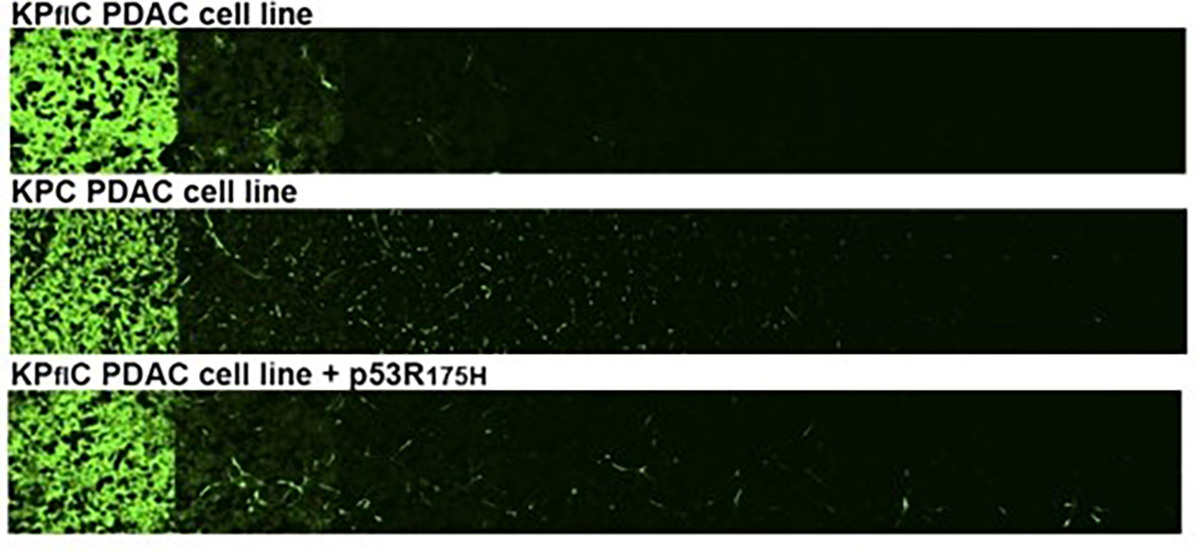
Mutant p53 enhances invasion in pancreatic cancer cells. An inverted-invasion assay comparing KPC cell lines shows that cells carrying the p53R172H mutation invade much more deeply into the matrix than cells with wild-type p53. Introducing mutant p53 into wild-type cells restores this highly invasive behaviour, demonstrating that mutant p53 actively drives tumour cell invasion. Image taken from Morton JP et al.

Mutant p53 enhances invasion in pancreatic cancer cells. An inverted-invasion assay comparing KPC cell lines shows that cells carrying the p53R172H mutation invade much more deeply into the matrix than cells with wild-type p53. Introducing mutant p53 into wild-type cells restores this highly invasive behaviour, demonstrating that mutant p53 actively drives tumour cell invasion. Image taken from Morton JP et al (4).

One of the most compelling applications of the KPC cell line has been in metastasis biology. Studies using tumour-derived KPC cells have shown that mutant p53 actively drives invasion and metastasis – a significant finding that has reshaped our understanding about PDAC progression (4). This insight has positioned the KPC cell line as a key tool for uncovering the molecular drivers of metastatic behaviour.

The KPC models have also helped uncover how immune signals reshape tumour .metabolism. By studying parental and IDO1-engineered KPC cell lines in immunocompetent mice, Newman and colleagues showed that interferon-γ drives strong IDO1 expression in KPC tumours, triggering tryptophan breakdown and supplying one-carbon units that fuel purine synthesis (5). Because these metabolic shifts became evident in vivo only when IDO1 is induced under immune-competent conditions, the study highlights how KPC cell lines uniquely capture tumour–immune metabolic interactions that are difficult to reproduce in vitro. This makes them a powerful tool for investigating metabolic and immunological vulnerabilities in PDAC.

Together, these applications highlight the versatility of the KPC cell line – a model that has helped uncover key drivers of metastasis and tumour metabolism in pancreatic cancer. It’s ability to recapitulate complex tumour biology in vivo makes it an ideal model for translational research, driving discoveries that are shaping the future of PDAC therapy.

Where do we go from here?

As pancreatic cancer research continues to evolve, so too does the need for more sophisticated and clinically relevant research models. With the emergence of KRAS inhibitors, researchers are hopeful that more patients will begin responding to targeted therapies. This progress is expected to drive a wave of studies focused on acquired resistance and the development of combination therapies, areas where models like the KPC cell line will remain essential.

The KPC cell line’s ability to replicate tumour progression and metastasis in immunocompetent mice makes it especially valuable for testing how tumours adapt under therapeutic pressure. As researchers seek to understand why some patients develop resistance to certain treatments, clinically relevant preclinical tools like the KPC cell line will help uncover the cellular dynamics behind resistance and inform strategies to overcome it.

Looking ahead, Prof. Morton sees opportunities to develop new models that address persistent gaps in the field. One area of interest is the study of dormant metastatic cells – those that remain in distant organs after the primary tumour is removed and later drive relapse. While these models have yet to be optimised, she believes it’s possible to transplant KPC cells, surgically resect the primary tumour, and track the emergence of metastases over time. Such a model would offer valuable insights into disease recurrence and long-term treatment plans.

A personal reflection and call to collaboration

For Prof. Morton, seeing the KPC cell line used by researchers around the world has been both professionally rewarding and personally meaningful.

Aside from saving my lab the time and money it takes to make the KPC cells available to the community, it’s been good to see a lot of different labs be able to make use of them for their research. Ultimately, the more scientists there are performing pancreatic cancer research, the more likely it is that new therapies will be developed for patients.
Prof. Jennifer Morton, Cancer Research UK Scotland Institute

Knowing that the KPC cell line is driving progress in pancreatic cancer research is a powerful reminder of what’s possible when science is shared – openly, collaboratively, and with purpose.

Explore the KPC cell line and be part of a global effort to accelerate breakthroughs in pancreatic cancer.

References

  1. Ferlay J, Ervik M, Lam F, Laversanne M, Colombet M, Mery L, Piñeros M, Znaor A, Soerjomataram I, Bray F (2024). Global Cancer Observatory: Cancer Today. Lyon, France: International Agency for Research on Cancer. Available from: https://gco.iarc.who.int/today.
  2. Wang S, Zheng Y, Yang F, Zhu L, Zhu XQ, Wang ZF, et al. The molecular biology of pancreatic adenocarcinoma: translational challenges and clinical perspectives. Signal Transduction and Targeted Therapy. 2021 Jul 5;6(1).
  3. Hingorani SR, Wang L, Multani AS, Combs C, Deramaudt TB, Hruban RH, et al. Trp53R172H and KrasG12D cooperate to promote chromosomal instability and widely metastatic pancreatic ductal adenocarcinoma in mice. Cancer Cell. 2005 May 1;7(5):469–83.
  4. Morton JP, Timpson P, Karim SA, Ridgway RA, Athineos D, Doyle B, et al. Mutant p53 drives metastasis and overcomes growth arrest/senescence in pancreatic cancer. Proceedings of the National Academy of Sciences. 2009 Dec 15;107(1):246–51.
  5. Newman AC, Falcone M, Uribe AH, Zhang T, Athineos D, Pietzke M, et al. Immune-regulated IDO1-dependent tryptophan metabolism is source of one-carbon units for pancreatic cancer and stellate cells. Molecular Cell. 2021 Apr 7;81(11):2290-2302.

Popular cell lines now available only from CancerTools.org

CancerTools.org cell lines now solely available from CancerTools.org.

CancerTools.org offers a large range of new and well-established cancer cell lines manufactured to high quality standards in our new state of the art laboratory facility. These authenticated cell lines cover key research areas including ovarian, colorectal, bladder and breast cancer fields. They have received extensive peer-review, with numerous publications from leading cancer researchers worldwide.

We would like to thank ECACC for their support producing and supplying these important resources on behalf of  CancerTools.org for the last 15 years.

Our collection of popular cell lines available from CancerTools.org includes cornerstones for diverse cancer types such as

UM-UC-6 Cell Line. Image courtesy of the European Collection of Authenticated Cell Cultures (ECACC), UK.

UM-UC-6 Cell Line. Image courtesy of the European Collection of Authenticated Cell Cultures (ECACC), UK

Bladder cancer, featuring the popular human urothelial UM-UC series, which includes lines able to induce tumours in immunodeficient mice, e.g. UM-UC-14, UM-UC-6 and UM-UC-9 cell lines, with different karyotypes and susceptibility to adenoviral-mediated gene transduction.

A2780 Cell Line. 48 hours post plating. Image courtesy of the European Collection of Authenticated Cell Cultures (ECACC), UK

Ovarian cancer, comprising the A2780 line widely used in toxicity testing and cancer genetic studies, and its isogenic drug-resistant derivatives. Our collection also includes PEO4, part of the nine PE ovarian adenocarcinoma cell line panel derived from patients at varying stages of ovarian cancer and treatments.

TR146 Cell Line. 3 days post plating. Image courtesy of the European Collection of Authenticated Cell Cultures (ECACC), UK

Head and neck cancer, including patient-derived squamous cell carcinoma lines, such as the popular buccal mucosa TR146 line used to study permeability, absorption and metabolism of drugs, and BICR 22, part of the wider BICR suite of lines isolated from the oral cavity and the larynx of head and neck cancer patients.

MCF7/TAMR-7 Cell Line. Mid log phase. Image courtesy of the European Collection of Authenticated Cell Cultures (ECACC), UK

Breast cancer, encompassing lines resistant to various chemotherapy drugs, including anti-oestrogens such as tamoxifen, e.g. MCF7/TAMR-7, and aromatase inhibitors.

C106 Colorectal Cell Line. 3 days post plating. Image courtesy of the European Collection of Authenticated Cell Cultures (ECACC), UK

Colorectal cancer, including lines established from adenocarcinomas of the colon and the rectum at different clinical stages, such as C10 and C106 cell lines.

About CancerTools.org

CancerTools.org, the research tools arm of Cancer Research UK, is the first-of-its-kind global, non-profit, cancer-focused, research tools biorepository.

For 40 years scientists from academic universities and leading cancer centres have deposited their research tools with us. These range from antibodies, cell lines, organoids, PDX models, mouse models, cell culture media, and more. We offer in-bound shipping, storage, production, maintenance, authentication, record keeping and worldwide distribution of these research tools to the wider scientific community.

Such collaborative effort has created a significant collection of research materials at global scale with best-in-class service that can support end users from research scientists, academic spin outs and emerging biotech to large scale biopharma to accelerate cancer discoveries and drive innovation.

New cell lines: murine melanocyte and melanoblast cell lines from Dr. Elena Sviderskaya

St George’s University of London and the Functional Genomics Cell Bank strengthen their partnership with CancerTools.org to accelerate cancer research.

St George’s University of London (SGUL) and CancerTools.org announce new cell lines from Dr. Elena Sviderskaya, which are now readily available via the CancerTools.org website.

CancerTools.org is a global, non-profit cancer-focused biorepository with a 40+ year history of making cancer research tools accessible such as antibodies, cell lines, mouse models and more to cancer researchers worldwide.

Leading cancer biologists at SGUL are supporting CancerTool.org’s mission to accelerate cancer research through research tools. Since December 2017, CancerTools.org has been storing, producing and shipping SGUL’s scientists’ research tools worldwide. To accelerate cancer research and discoveries globally, SGUL and the Functional Genomics Cell Bank are now making 68 murine melanocyte and melanoblast cell lines, invented by Dr. Elena Sviderskaya, available through CancerTools.org.

“As a non-profit, CancerTools.org is dedicated to accelerating cancer breakthroughs, by ensuring cancer scientists have access to the highest quality research tools. We are delighted to be able to make these valuable cell lines available to the global research community and to continue strengthening our relationship with SGUL and the Functional Genomics Cell Bank.”

James Ritchie, Head of External Innovation, CancerTools.org

Dr. Elena Sviderskaya specialises in pigment cell and melanoma research1 and is the Director of the Functional Genomics Cell Bank1 at St George’s, University of London. The Functional Genomics Cell Bank specialises in mouse melanocyte and melanoblast lines carrying a variety of pigmentary mutations, immortal human melanocytes, melanoma cell lines, and stem cells. Many of these lines are now available through Cancer.Tools.org.

“We are delighted that the cell lines held in the Functional Genomics Cell Bank at St George's are now available via CancerTools.org to researchers globally. These lines are important for cancer biologists as non-cancerous controls for the behaviour of melanoma lines, and are also useful in testing the importance of melanogenesis in the progression of melanoma and other skin cancers.”

Dr. Elena Sviderskaya, Director of the Functional Genomics Cell Bank

About the cell lines:

Melanocytes are the cells in mammals that produce pigment (melanin), colouring the hair, skin and irises. They develop from unpigmented precursors, melanoblasts, and are located in the bottom layer of the skin’s epidermis.

The cell lines deposited with CancerTools.org are immortal melanocyte, melanoblast, and neural-crest stem cell lines derived from embryonic mouse skin. These mutant cell lines are used to study the actions of mutated genes, which affect many body systems besides pigment cells. To date, these cell lines have been used in research on topics including cell differentiation, organelle biosynthesis and transport, protein transport, growth control, cancer and many others.

These cell lines therefore not only add value to many areas of pigment cell research including cell biology, developmental biology, molecular biology, genetics, microscopy, physiology, pathophysiology, ageing and cancer, but also to research involving most major organ systems – eyes, ears, and blood, nervous, respiratory, digestive, excretory and skeletal systems, and disorders such as inflammation, thrombosis and allergy among others.

Colour mutations in mice often have an orthologous mutation in humans with associated pathological effects. There is ready interchange between the advances in pigmentary genetics in the mouse and human, which increases the relevance of these cell lines. Thus, a very broad range of body systems, cellular mechanisms and disorders is addressed by this collection of cell lines.

The majority of cell lines with pigmentary mutations were derived from the C57BL/6J strain mice to exclude confounding differences due to strain background. This is a benefit over human cell lines that have many polymorphisms that can affect biological processes independent of known mutations. Several melanocyte (melan-Ink4a-Arf) lines on the C57BL/6J strain background (genotype a/a) were deposited with CancerTools.org. These and some other deposited lines have mutations at the Ink4a-Arf locus that make spontaneous immortalisation routine. Other lines were derived by rare spontaneous immortalisation. Melan-Ink4a-Arf lines are used in applications like the widely used cell line melan-a that immortalised spontaneously. When mutant cell lines were established from mice of other backgrounds, the corresponding wild-type cell lines were established from littermate controls.

Discover more about Dr. Elena Sviderskaya's cell lines:

Access the cell lines

1https://www.sgul.ac.uk/profiles/elena-sviderskaya#overview

About CancerTools.org

CancerTools.org is the first-of-its-kind non-profit, cancer-focused biorepository where researchers can deposit research tools they have developed in their labs including antibodies, cell lines, organoids, small molecules, mouse models, cell culture media and other state-of- the-art technologies. With our in-house production and global coverage, we can produce, store and supply these tools to fellow scientists in their research to deepen our understanding of cancer and drive innovation.

About St George’s University of London

St George’s, University of London is the UK’s only university dedicated to medical, biomedical and allied health education, training and research. Sharing a clinical environment with a major London teaching hospital in southwest London, our innovative approach to education results in well-rounded and highly skilled clinicians, scientists, and health and social care professionals.

An independent member of the University of London, we have a long and illustrious history of training healthcare professionals, dating back more than 270 years. We are well known for our innovative approach to medical education, being the first UK institution to launch a Graduate Entry Medicine Programme – a four-year fast-track medical degree course open to graduates in any discipline. St Georges’ is the number one university in the UK for Graduate Prospects (on track), according to the Complete University Guide 2024 and second for Graduate Prospects in the recently published Times UK University Rankings for 2024.

Our internationally recognised research delivers cutting-edge scientific discovery through four specialist Research Institutes, directly helping patients through our close links to the clinical frontline and London’s diverse community. We were ranked joint 8th in the country for research impact in the last REF (2021) with 36% of St George’s research assessed as ‘world-leading’ and 100% of our impact cases judged as ‘world-leading’ or ‘internationally excellent.’ Our Institutes focus on biomedical and scientific discovery, advancing the prevention and treatment of disease in the fields of population health, neuroscience, heart disease and infection – four of the greatest challenges to global health in the 21st century.

www.sgul.ac.uk

About the Functional Genomics Cell Bank

The Wellcome Trust has funded a mammalian cell bank (a collection of cell cultures) at St George’s, University of London, in association with the Molecular and Cellular Sciences Section, Neuroscience and Cell Biology Research Institute. The bank specialises in mouse melanocyte and melanoblast lines carrying a variety of pigmentary mutations. Other cell types include immortal human melanocytes, melanoma cell lines, fibroblasts, keratinocytes, mammary epithelial cells, myoblasts, and stem cells.

www.sgul.ac.uk/genomics-cell-bank

Dr. Wytske M. van Weerden and CancerTools.org

38 new cell lines from Dr. Wytske M. van Weerden now available through CancerTools.org

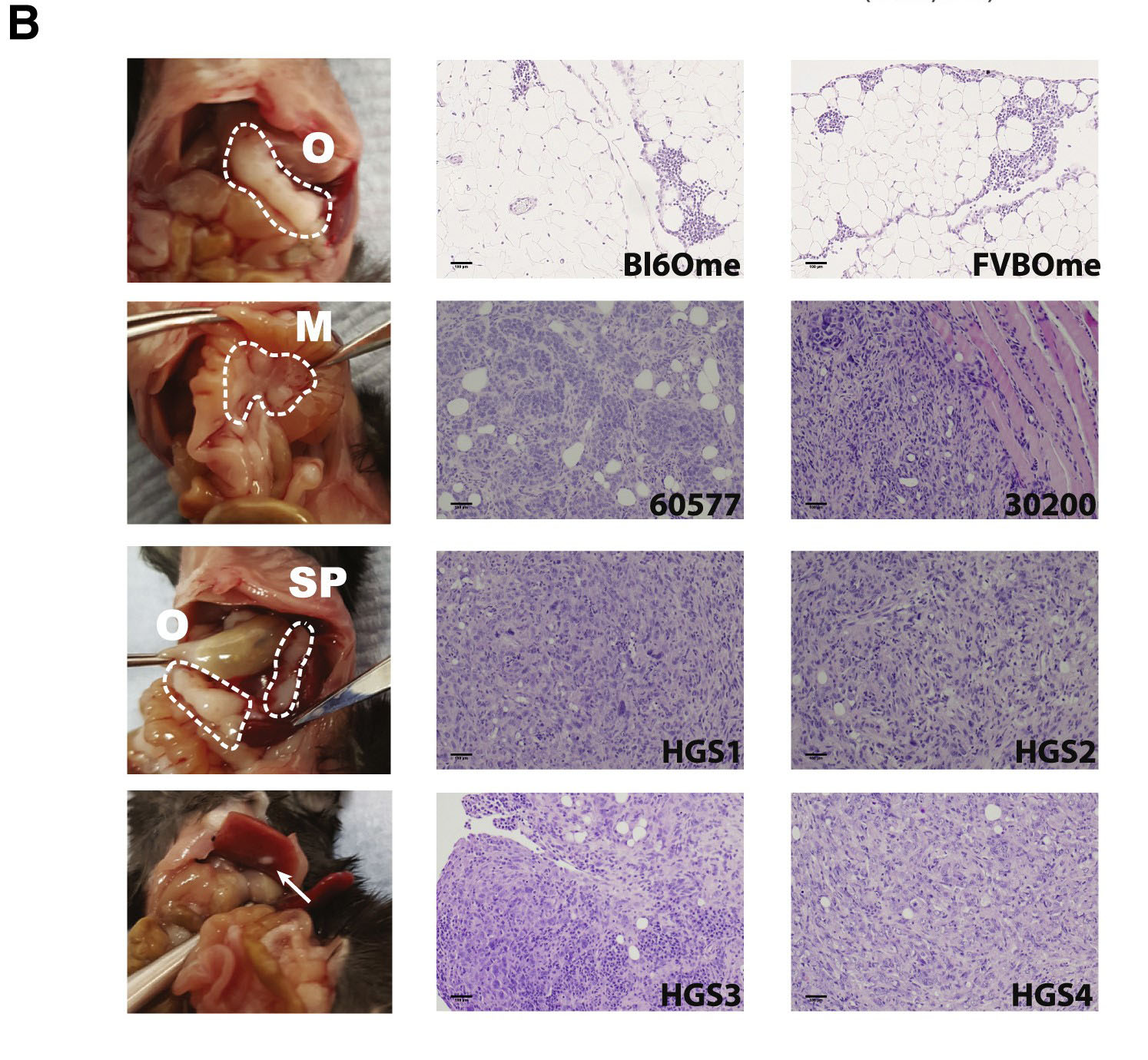
Image Reference: 2x PTEN -/- mouse prostate cancer cell lines (MuCap system). Histology staining of syngraft tumours (Van Duijn et al., 2018).

Dr. Wytske M. van Weerden is an Associate Professor, who specialises in prostate cancer modelling, with a focus on studying mechanisms of resistance, such as hormone-, chemo- and radio-resistance, with a particular interest in androgen receptor-regulated pathways.1

As part of this research interest, Dr. van Weerden and her team have generated a series of 38 prostate cancer cell lines which are now available through the CancerTools.org collection.

About the cell lines

Prostate cancer is the 2nd most commonly occurring cancer in men and the 4th most common cancer overall. There were more than 1.4 million new cases of prostate cancer in 2020.2 The treatment for prostate cancer focuses on androgen deprivation therapy (ADT) aiming to reduce androgen receptor (AR) activation.3 Although initially effective, in time, resistance develops resulting in castration-resistant prostate cancer (CRPC). Interestingly, the vast majority of clinical CRPC tumours retain a functional AR that continues to drive tumour progression. However, preclinical research of CRPC still relies heavily on AR negative cell line models.4 The research team of Dr. van Weerden has created a comprehensive series of human-derived CRPC cell lines that reflect the changes in AR characteristics very similar to those observed in clinical CRPC. Discover these new cell lines now available through CancerTools.org:

    • PC346C cell line: This cell line has been created from the androgen-responsive xenograft PC346P, a transurethral resection of a primary prostate tumour. This cell line is androgen-responsive and grows slowly in the steroid-stripped medium. It expresses wildtype AR, secretes PSA and is not stimulated by antiandrogen hydroxyflutamide.5


  • PC346C-CRPC panel: The following three cell lines were created by continuously culturing PC346C for over 2 years in various androgen-depleted conditions and show different hormone response properties. The PC346C panel of cell lines is tumorigenic when inoculated subcutaneously in immune-deficient (male) mice.5
  • PC346C-DCC CRPC Cell line: This cell line is unresponsive to both R1881 and hydroxyflutamide and has downregulated AR expression as well as low levels of PSA protein.5
  • PC346C-FLU1 AR overexpressed CRPC Cell line: This cell line grows optimally in steroid-stripped medium or in medium supplemented with hydroxyflutamide, being inhibited by physiologic concentrations of androgens. AR expression is overexpressed in this cell line, which is not a result of AR gene amplification. AR expression is localised in the nucleus. This cell line shows increased AR expression compared to other in vitro 5 The cell secrete PSA.
  • PC346C-FLU2 AR (T877A) mutated CRPC Cell line: This cell line grows optimally in medium supplemented with both R1881 or hydroxyflutamide as it harbours the well-known AR T877A mutation (LNCaP). AR expression in this cell line is localised in the nucleus.5 The cell lines secrete PSA.
    • PC346mAR (T877A) CRPC Cell line: This cell line was established in vitro from the androgen unresponsive PC346I xenograft and shows the AR T877A mutation. This cell line is stimulated by both R1881 and hydroxyflutamide. AR expression in this cell line is localised in the nucleus.5 The cells secrete PSA.
    • 28x PC346C CRPC cell lines: A series of 28 CRPC sublines derived from culturing the source cell line PC346C long-term and continuously under different androgen depleted conditions.4 (see below).

Continue Reading

Six new cell lines from Prof. Michelle Lockley

Prof. Michelle Lockley from Queen Mary University of London, deposits 6 new cell lines with CancerTools.org

Epithelial ovarian cancer is a heterogeneous disease with five different pathological subtypes, the most common being High Grade Serous Cancer (HGSC). Standard treatment to date for epithelial ovarian cancer has been a combination of surgery and platinum-based chemotherapy. However, approximately 80% of patients relapse and respond less well to successive platinum-containing chemotherapy regimens. Platinum-resistance is defined clinically when relapse occurs within 6months of the most recent platinum treatment. Maintenance treatment with PARP inhibitors dramatically improves progression-free survival in platinum-sensitive disease, but new treatments, including PARP inhibitors, have failed to improve survival in platinum-resistant HGSC.

Prof. Michelle Lockley is a Clinician Scientist based at Barts Cancer Institute, Queen Mary University of London. As a consultant medical oncologist specialising in the systemic treatment of gynaecological cancers, she has particular expertise in ovarian cancer.

Pre-clinical research relies on cell-based disease models, but creating permanent cell lines from human HGSC has proven to be challenging and the extent to which these lines reflect characteristic features of relapsed, human HGSC is largely unknown. As part of her research into epithelial ovarian cancer, Michelle and her team used the OVCAR4, Cov318 and Ovsaho cell lines to generate a unique panel of platinum-resistant, in vitro and in vivo, High-grade serous carcinoma (HGSC) models, that recapitulate the genetic and clinical features of human epithelial ovarian cancer.

To make these cell lines available globally to the wider ovarian cancer research scientific community via CancerTools.org, Michelle deposited the following cell lines:

  1. IVRO1 Cell Line
  2. OvsahoCarbo Cell Line
  3. OV4Cis Cell Line
  4. OV4Carbo Cell Line
  5. CovCis Cell Line
  6. OvsahoCis Cell Line

These cell lines are platinum-resistant HGSC models which:

  • share multiple transcriptomic features with relapsed human HGSC
  • have evolved diverse in vivo phenotypes reflecting the human disease
  • share genetic and transcriptional profiles with platinum-resistant human HGSC
  • accurately reproduce the phenotypic diversity seen in patients.

In addition, the infiltrative and metastatic intraperitoneal phenotype produced by Ov4Carbo cells is analogous to the most usual pattern of recurrent, human HGSC.

Discover more about these cell lines:

GATA3-eGFP reporter cell line: Advancing cancer drug discovery and Innovative tools – Insights from Prof. Matthew Holley

The research tool: GATA3-eGFP reporter cell line

GATA3, zinc finger transcription factor, is associated with numerous types of cancer in which its level of expression is critical. Drugs that modulate GATA3 expression are of particular interest, which is why a high-throughput  screening tool is an important addition to the research tool portfolio. Matthew Holley, Emeritus Professor at the University of Sheffield, has shared insights about such one-of-a-kind tool – the GATA3-eGFP reporter cell line, and other in vitro models  he has developed throughout his research- which he has generously contributed to CancerTools.org.

There are no other cell lines with this potential for the study of GATA3 in cancer research.

Emeritus Prof. Holley

The contributor

Emeritus Professor Matthew Holley

University of Sheffield; School of Biosciences

GATA3 in development and cancer

GATA3 is one of the GATA family transcriptional factors; zinc finger proteins that bind the consensus DNA sequence (T/A)GATA(A/G) of a target gene promoter. It is highly conserved among vertebrates and expressed in various tissues and cell lineages, such as immune cells, adrenal glands, placenta, kidneys, skin and breast tissue, inner ear, hair follicles, and nervous system.

GATA3 is responsible for regulating transcription during both development and cell differentiation, and its expression level is crucial at embryonic and postnatal stages. The importance is apparent from examples like early embryonic lethality due to GATA3 deletion, HDR syndrome associated with GATA3 haploinsufficiency, and the fact that Gata3 has been implicated in tumorigenesis. Previous studies have shown that it is involved in T-cell neoplasms, antagonizes cancer progression in PTEN-deficient prostates, and represents a useful marker for luminal category tumours in breast cancer.

GATA3-eGFP reporter cell line for drug discovery

In 2009, Prof. Holley’s group published  results from a gene array analysis they conducted using inner ear cell lines [1].  They showed  a clear, previously unknown, functional link between GATA3 and the Akt signalling pathway; increased activity of which is often associated with tumour progression and therapies resistance. The pathway is essential for regulating cell survival and proliferation, and aberrations in its activation are linked to several human cancers, including breast, lung, ovarian, and prostate cancers.

Prof. Holley delved into exploring how to modulate  gata3  expression, recognising its fundamental role in significant pathways associated with cancer progression as well as in the development of various organs and the nervous system.

Image: Inventing institution: University of Sheffield, UK

The GATA3-eGFP cell line was established by the cross of two well-characterised transgenic mouse lines. One mouse line stably expressed the H-2Kb-tsA58 transgene in which a temperature-sensitive variant of the SV40 large T-antigen was expressed under the control of an inducible promoter driven by gamma-interferon. The second, GATA3eGFP BAC-transgenic mouse line expressed eGFP under the control of the GATA3 promoter. The clones were selected according to the characteristics of the original tissue.

The GATA3-eGFP reporter cell line expresses GATA3-eGFP via an enhancer that is expressed in a pattern very closely resembling that of native GATA3 during mouse embryonic development. Fusion of GATA3 enhancer to eGFP is a key feature of this cell line allowing high-throughput screening of drugs that modulate the expression level of gata3.

First high content screening tests with established GATA3 modulators have shown effectiveness at the anticipated concentrations in the GATA3-eGFP cell line. The tool stands out as the only GATA3 reporter line capable of efficiently screening extrinsic factors influencing GATA3 expression in high-throughput systems.

The key objective of this case study is to show the high potential of this tool for those research laboratories interested in understanding GATA3’s role in various processes in cancer and other diseases.

Other in vitro models

For many years, Prof. Holley dedicated his research efforts to understand development and functioning of the inner ear in mammals, with an emphasis on exploring potential therapies for hearing loss.

Mammalian hair cells located in the inner ear are sensory cells that detect sound, gravity, and acceleration. Progressive loss of the hair cells is one of the main causes of deafness. Hearing loss is widespread and mostly irreversible as the mammalian cochlea is unable to regenerate hair cells that are lost, unlike amphibians and birds.

Mammalian auditory research is complicated by the fact that the very small numbers of auditory sensory epithelial cells do not proliferate postnatally or  in vitro,  which makes them experimentally inaccessible. Thus, Prof. Holley and his colleagues developed a number of  in vitro  models for the differentiation of sensory hair cells and sensory nerves.

The established inner ear cell lines are derived from known cell populations during specific times of mouse inner ear development. They have been shown to correlate with gene expression profiles of the location from which they were derived. The lines are also conditionally immortal and can be grown under proliferating or differentiating conditions.

These cell lines were generously contributed to CancerTools.org and used for exploring the possibility of inner ear regeneration through both cell transplantation and the activation of early developmental processes [2, 3].

I believe in open access to all reagents where possible. They are costly to make and their application can advance research as well as return some investment back to the charitable funding agencies that enabled their production.

Emeritus Prof. Holley

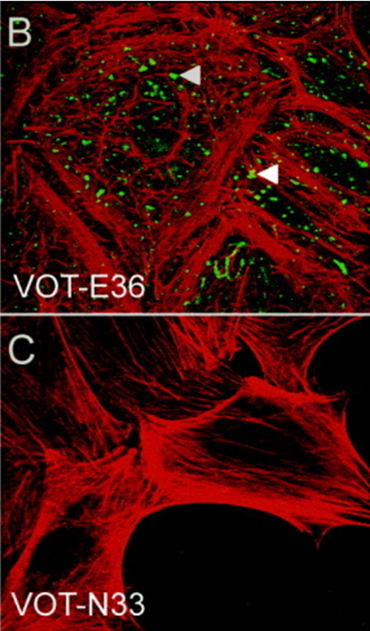
Image: Expression of the β4 integrin subunit in VOT-N33 and VOT-E36. (Adopted from Lawoko-Kerali et. al. 2004. Dev Dyn. 231(4):801-14. PMID: 15499550 Fig.2 B, C) 

Conclusion:

At CancerTools.org  we continue to work with  Cancer scientists who can deposit research tools they have developed in their labs, including cell lines, antibodies,  organoids, mouse models, cell culture media, small molecules and other state-of-the-art technologies, into our biorepository etc.

Access Emeritus Prof. Holley's cell lines:

References

1. Milo et.al. 2009. PLoS One. 4(9):e7144. PMID: 19774072.

2. Rivolta & Holley. 2002. J Neurobiol. 53(2):306-318. PMID: 12382283. 

3. Lawoko-Kerali et. al. 2004. Dev Dyn. 231(4):801-814. PMID: 15499550. 

Fukushima Medical University deposits human gene-overexpressing cell lines to CancerTools.org

Fukushima Medical University aims to accelerate cancer research by contributing their human gene-overexpressing cell lines to the CancerTools.org initiative

The Fukushima Medical University (FMU) and Summit Pharmaceuticals (SPI) are existing partners of CancerTools.org who have previously contributed a unique and diverse organoid portfolio to the initiative (read the announcement here).  Further strengthening this collaboration, Fukushima Medical University (FMU) and Summit Pharmaceuticals International (SPI)  have now generously made their human gene-overexpressing cell lines available to the global cancer research tools community by  contributing them to the initiative.

The cell lines are non–tumorigenic immortalised breast epithelial cells (MCF 10A) whose proliferation depends on epidermal growth factor and which stably express mutant cancer-related genes. The cell lines represent experimental models that can be used in cell-based assays for evaluating the efficacy of anticancer agents, including molecule-targeted drugs and mutant-selective inhibitors, drug discovery, high throughput screenings and functional analyses of the mutated genes [1-2].

Progress in cancer research has always been dependent on the generosity and willingness of scientists to make their rare and unique materials accessible to their colleagues. Scientists globally will now be able to access these cell lines from FMU for use them as assay systems for anticancer agents’ evaluation and drug discovery.

As part of this partnership, CancerTools.org will work with FMU and their technology transfer partner Summit Pharmaceuticals International (SPI) to bring the production of these cell lines in-house and manage quality control and global distribution.

About CancerTools.org / Cancer Research UK

CancerTools.org, the research tools arm of CRUK, is a non-profit, global community of cancer researchers, academic institutes and societies, with a shared mission to accelerate cancer research. In this collaborative, researchers contribute research tools and share knowledge to deepen our understanding of cancer, and drive innovation within cancer research.
Cancer Research UK (CRUK) is the world’s leading charity dedicated to beating cancer through research. It invests more than £400 million annually into cancer research through funding schemes, conferences, initiatives, resources, and a UK-wide network of research infrastructure across basic, translational, clinical and population research.

About Fukushima Medical University

Fukushima Medical University was established for the purpose of educating and fostering medical education of people who contribute to the health, medical care and welfare of people in Fukushima Prefecture. At the same time, as a research institute, it has an important mission of asking the world about the results of constant research.
After the Great East Japan Earthquake and the nuclear power plant accident in 2011, the government quickly supported the resurgence of Fukushima from the perspective of medical care and health, and it has accelerated its activities in cooperation with medical institutions and research institutions around the world. As part of its activities, FMU established the Industry for Medical-Industrial Translational Research in 2012. By bridging the medical community and industry, FMU provides multifaceted support for the development of new drugs, diagnostic reagents and test reagents for cancer-based diseases.
Through these efforts, FMU is contributing to the creation, clustering and employment of pharmaceutical-related industries in Fukushima Prefecture, as well as contributing to the improvement of the quality of cancer treatment and diagnosis within Fukushima Prefecture to maintain and improve the health of the prefectural population.
For more information, visit https://www.fmu.ac.jp/home/trc/en/

About Summit Pharmaceuticals International

SPI is a company that provides support for everything from research and development to manufacturing and sales of pharmaceuticals. They offer cutting edge technology and products from all over the world to the domestic pharmaceutical industry in Japan.
For more information, visit https://www.summitpharma.co.jp/

The importance of studying Non-Melanoma Skin Cancer

The research tool: Diagnostic research tools

Professor Leigh and her team have contributed to various streams of SCC and BCC research, focusing mainly on keratinocyte biology; ranging from epithelial differentiation and the cell biology of SCC, to the molecular machinery driving non-melanoma skin cancer. Professor Leigh was a pioneer in these fields, entering research at a time when keratinocyte growth was a new technology, and was involved with producing various important antibodies and cell lines in BCC and SCC cancer identification.

We spoke with Professor Leigh and her team to delve into the importance of this stream of cancer research and what the contribution of tools can do for SCC and BCC.

The contributor

Professor Irene Leigh

Queen Mary University of London; CRUK, London Research Institute: Lincolns Inn Fields; CRUK, London Research Institute: Clare Hall Laboratories

Non- Melanoma Skin Cancer (NMSC's) diagnostic research tools

Non-melanoma skin cancers (NMSCs or Keratinocyte cancers-KC) including basal cell carcinoma (BCC) and squamous cell carcinoma (SCC),  receive less awareness than their melanoma counterpart. This is because they are perceived as causing fewer deaths, as only SCCs metastasise. However, the incidence of NMSC is very high (18-20 times higher than that of melanoma) and there are 156,000 new non-melanoma skin cancer cases in the UK every year (2016-2018) – almost 430 every single day. Non-melanoma skin cancers commonly develop due to the skins exposure to the sun. Because these cancers are caused by excessive ultraviolet radiation, patients often end up having more than one skin cancer, resulting in multiple surgeries. Both types of carcinoma have an excellent prognosis, are slow-growing and rarely metastasise, however, in some cases they can develop into invasive skin cancers, with an aggressive nature.

It is critical to study NMSCs to produce diagnostic tests which identify high-risk tumours for metastasis and progression and generate treatments which limit carcinoma recurrence, as this is more challenging to treat.

Basal Cell Carcinoma (BCC) and Squamous cell Carcinoma (SCC)

One group of patients that are significantly affected by SCC and BCC are the immunosuppressed. With over 40% of SCC mortalities occurring in organ transplant receivers, this group has an important impact on immunotherapy treatment options and survivability. In working with these patients, Professor Leigh and her team have established a unique panel of patient-derived cutaneous squamous cell carcinoma cell lines. One example from this panel is the MET1 SCC cell line.

The development of MET1 SCC cell line

This cell line was derived from a primary lesion on the hand of an immunosuppressed patient, which ultimately recurred (MET2 cell line) and metastasised (MET4SCC line), representing crucial stages in SCC transformation. Understanding the stages a squamous cell carcinoma takes in order to become increasingly invasive helps dictate preventative and therapeutic measures for this cancer. This cell line has also been used in a variety of research; from indicating HPV isn’t essential for cancerous phenotype maintenance, to furthering our understanding of epithelial-mesenchymal transition within metastasis.

Recessive Dystrophic Epidermolysis Bullosa (RBDEB)

RDEB is a debilitating condition involving a deficiency in anchoring fibrils,  predominantly type VII collagen – between the epidermis basement membrane and underlying connective tissue. This leads to extremely fragile skin with severe blistering, meaning most patients develop SCC before the age of 35. Irene and her team helped to uncover the genetic basis of this condition through their research.

The development of Anti-Collagen Type VII LH7.2 antibody

Anti-Collagen Type VII LH7.2 is a monoclonal antibody which binds to an epitope of type VII collagen within the basement membrane of stratified squamous epithelia. This antibody helps diagnose RDEB as LH7.2 binding is absent or significantly reduced in RDEB patients. LH7.2 can also be used for differentiating invasive from non-invasive melanoma by assessing the integrity of epidermal basement membranes. This enables us to predict how aggressive SCC might be in RDEB patients.

The development of Anti-Katine 5/6/18 [LP34]

Professor Leigh and her team also created a monoclonal antibody that could be used to diagnose SCC and BCC tumours. Keratins 5, 6 are members of the type II keratins family that are specifically expressed in the inner root sheath of hair follicles. Keratins demonstrate tissue and differentiation-specific expression profiles. The type II cytokeratins consist of basic or neutral proteins which are arranged in pairs of heterotypic keratin chains co-expressed during differentiation of simple and stratified epithelial tissues. Keratin 18 is a member of the type I intermediate filament chain keratin 18. Keratin 18, together with its filament partner keratin 8, are perhaps the most commonly found members of the intermediate filament gene family. These cytokeratins have been reported to be expressed in tumour cells of epithelial origin and less commonly of mesothelial origin- however, non-epithelial tumours, e.g. lymphomas, do not express these cytokeratins. Anti-Katine 5/6/18 LP34 identifies tumours with an epithelial origin and is key in pathological diagnosis and understanding metastases. As this antibody binds to keratins 5, 6 and 18, it can also be used to identify uncultured keratinocyte material. Polyspecific LP34 also has an uncommonly broad pattern of reactivity, staining all human epithelial cells – both stratified and simple epithelium.

The impact

Irene Leigh and her lab have made significant contributions to the understanding and treatment of non-melanoma skin cancers and skin diseases, generating a number of cancer research tools that can be used to diagnose these conditions. Despite the belief that these cancers are not a danger due to their high treatability and low mortality levels, investigating them can have far-reaching impacts. Understanding the common pathways between NMSCs and keratinocytes can give insight into other cancers and skin conditions. Alongside this, studying these skin cancers can lead to new novel diagnostics and therapeutics to improve cancer survival rates within at-risk populations. By contributing these research tools to the initiative, researchers globally can now utilise these tools to continue to accelerate discoveries and help grow our understanding around non-melanoma skin cancers.

Not only do we need to be able to diagnose patients more accurately, we also need to search for clues for their treatment. This could come from a variety of sources, but you need the right reagents to do so

Professor Irene Leigh

Access the research tools:

[/vc_row_inner]

About CancerTools.org

CancerTools.org, the research tools arm of Cancer Research UK, is a non-profit, global community of cancer researchers, academic institutes and societies, with a shared mission to accelerate cancer research discoveries. In this collaborative, researchers contribute research tools and share knowledge to deepen our understanding of cancer, and drive innovation within cancer research.

About Prof. Irene Leigh

Professor Irene Leigh is currently a professor of Cellular Molecular Medicine at Barts and the London School of Medicine and Dentistry, Queen Mary University London. Leigh established the Centre for Cutaneous Research at Barts and The London School of Medicine and Dentistry, Queen Mary University of London (BLSMD) which went on to become the leading research centre in skin biology and disease in the United Kingdom.

Tool enquiry

Please ensure you use your organisation email address rather than personal where possible, as this helps us locate your organisation in our system faster.

Please note we may take up to three days to respond to your enquiry.

CancerTools.org uses the contact information provided to respond to you about our research tools and service. For more information please review our privacy policy.