The Kinase Chemogenomic Set (KCGS)
Designed to study the biology of dark kinases from the human genome
Contributors
| Inventor | Institute |
|---|---|
| Tim Willson | The University of North Carolina at Chapel Hill ; Structural Genomics Consortium (SGC) |
| SKU: | 157681 |
|---|---|
| Product description: | The Kinase Chemogenomic Set v2.0 (KCGS) is a collection of narrow-spectrum, small molecule kinase inhibitors assembled by the SGC-UNC to study the biology of understudied (“dark”) kinases. It is one of the most diverse and highly annotated, publicly available collections of kinase inhibitors. Version 2.0 builds on the original set and includes more than 280 compounds covering over 250 human kinases, providing researchers with a powerful resource for phenotypic screening and kinase biology studies. KCGS helps identify medically important kinases and supports the development of high-quality chemical probes for high-priority dark kinases of therapeutic interest. Dark kinases are those which are difficult to characterize, have limited biological information, and whose medical potential remains largely unexplored. The goal of KCGS is to generate, systematize, and disseminate knowledge about dark kinases, the biological networks in which they function, and their connections to cellular phenotypes and human disease. |
| Additional notes: | Current batch of KCGS: CRT/KDP/26/136. Each inhibitor has been screened across hundreds of kinases and only those meeting strict selective criteria are included in the set. For more information on KCGS or for commonly asked questions, please visit https://www.sgc-unc.org/faq. |
| Cat. #: | 157681 |
|---|---|
| Tool sub type: | 10XUAS IVS p10 |
| Unit size: | 1 plate |
| Research Fields: | Cancer;Cancer |
| Application: | The Kinase Chemogenomic Set (KCGS) can be used to study the biology of dark kinases from the human genome and uncover new molecular targets for drug discovery. |
| Primary target: | The list of kinases covered by the inhibitors in KCGS v1.0 and v2.0 can be found in the documentation section. |
|---|
| Format: | Frozen |
|---|---|
| Storage conditions: | -80° C |
| Shipping conditions: | Dry Ice |
| References: |
Burdova et al. 2019. EMBO J. 38(20):e101443. PMID: 31424118. Wells et al. 2018. Medchemcomm. 9(1):44-66. PMID: 30108900. Drewry et al. 2017. PLoS One. 12(8):e0181585. PMID: 28767711. |
|---|
Images
View Gallery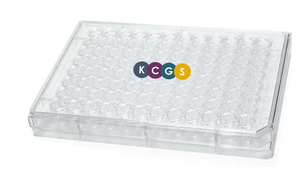

Product Images
e3775b38-cd6d-4a50-94c0-10b9b079f08c
9365dd4f-9def-4458-86ce-c64509582053.png
 Powered by Bioz