Anti-BHMT [3E7]
BHMT presence is also detected in lens as well as in hepatocyte membrane, which thus lends speculations about other possible physiological roles besides methionine synthesis. Therefore, much studies have to be undertaken, to understanding the other physiological roles, if any, of BHMT besides the traditional role in methylation in future.
Contributors
| Institute |
|---|
| A*STAR Accelerate Technologies Pte Ltd |
| Cat. #: | 152637 |
|---|---|
| Tool sub type: | Primary antibody |
| Unit size: | 100 ug |
| Research Fields: | Cancer;Cell signaling and signal transduction;Metabolism |
| Application: | FACS ; WB |
| Target: | Betaine homocysteine S-methyltransferase |
| Reactivity: | Zebrafish |
| Clone: | Array |
| Host: | Mouse |
| Class: | Monoclonal |
| Product description: | Betaine homocysteine S-methyltransferase (BHMT) shares 61% sequence homology between human and mouse gene. This 406 amino acids protein is found in both eukaryotes and prokaryotes. Homocysteine is generated from S-adenosylhomocysteine (SAH) through S adenosylhomocysteine hydrolase (SAHH) catalyzed reaction, into homocysteine and adenosine. This reversible reaction is thermodynamically favoured in the reverse reaction, synthesizing SAH. Therefore, to prevent the reverse reaction, adenosine is metabolized by adenosine deaminase and homocysteine is metabolized through several means of which BHMT is one of them. The action of BHMT is to catalyze resynthesis of methionine using homocysteine and methyl donor betaine. Betaine could be obtained from diet and in mammalian cells, it can be produced by choline oxidation in liver and kidney. Studies in many animal models revealed that liver and kidney are main organs for BHMT. BHMT presence is also detected in lens as well as in hepatocyte membrane, which thus lends speculations about other possible physiological roles besides methionine synthesis. Therefore, much studies have to be undertaken, to understanding the other physiological roles, if any, of BHMT besides the traditional role in methylation in future. |
|---|---|
| Conjugation: | Unconjugated |
| Isotype: | IgG1 |
| Immunogen: | GST-BHMT fusion protein |
| Myeloma used: | Sp2/0-Ag14 |
| Target background: | Betaine homocysteine S-methyltransferase (BHMT) shares 61% sequence homology between human and mouse gene. This 406 amino acids protein is found in both eukaryotes and prokaryotes. Homocysteine is generated from S-adenosylhomocysteine (SAH) through S adenosylhomocysteine hydrolase (SAHH) catalyzed reaction, into homocysteine and adenosine. This reversible reaction is thermodynamically favoured in the reverse reaction, synthesizing SAH. Therefore, to prevent the reverse reaction, adenosine is metabolized by adenosine deaminase and homocysteine is metabolized through several means of which BHMT is one of them. The action of BHMT is to catalyze resynthesis of methionine using homocysteine and methyl donor betaine. Betaine could be obtained from diet and in mammalian cells, it can be produced by choline oxidation in liver and kidney. Studies in many animal models revealed that liver and kidney are main organs for BHMT. BHMT presence is also detected in lens as well as in hepatocyte membrane, which thus lends speculations about other possible physiological roles besides methionine synthesis. Therefore, much studies have to be undertaken, to understanding the other physiological roles, if any, of BHMT besides the traditional role in methylation in future. |
|---|
| Format: | Liquid |
|---|---|
| Shipping conditions: | Dry ice |
| References: |
Yang et al. 2011. Endocrinology. 152(12):4706-17. PMID: 21952238. Depletion of Bhmt elevates sonic hedgehog transcript level and increases ?-cell number in zebrafish. |
|---|
Images
View Gallery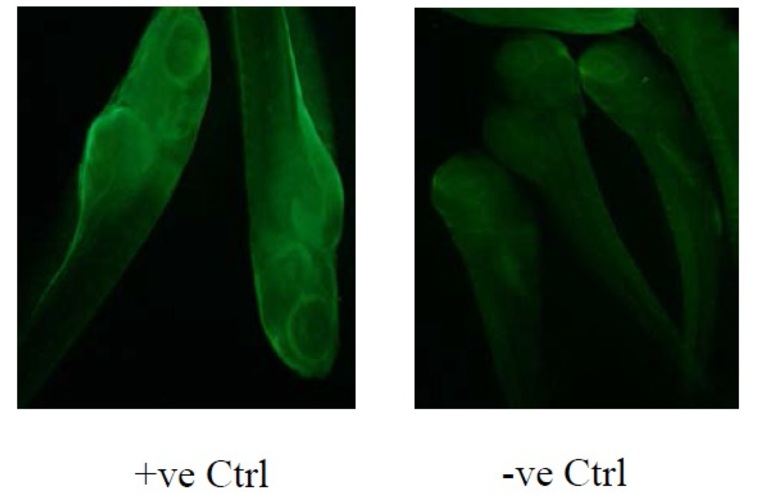
Product Images
63ff0e79-9c11-4b26-aef7-e1650d2336a3
Related Tools for Antibodies
| Cat. # | Tool Name | |||||||||||||||||||||
|---|---|---|---|---|---|---|---|---|---|---|---|---|---|---|---|---|---|---|---|---|---|---|
| 151022 | Anti-IL12 [1-1A4] |
Key Info
Anti-IL12 [1-1A4]
|
View Tool | |||||||||||||||||||
| 151028 | Anti-Cytochrome P450 2C2, 2B1/2 [h7] |
Key Info
Anti-Cytochrome P450 2C2, 2B1/2 [h7]
|
View Tool | |||||||||||||||||||
| 151029 | Anti-HSVICP8 [11E2] |
Key Info
Anti-HSVICP8 [11E2]
|
View Tool | |||||||||||||||||||
| 151039 | Anti-Integrin aVb3 [23C6] |
Key Info
Anti-Integrin aVb3 [23C6]
|
View Tool | |||||||||||||||||||
| 151040 | Anti-CD11 & CD18 [24] |
Key Info
Anti-CD11 & CD18 [24]
|
View Tool | |||||||||||||||||||