Cat. #151448
CMT 167 Cell Line
Cat. #: 151448
Sub-type: Primary
Unit size: 1x10^6 cells / vial
Organism: Mouse
Tissue: Lung
Disease: Cancer
Model: Cancer cell line
£575.00
This fee is applicable only for non-profit organisations. If you are a for-profit organisation or a researcher working on commercially-sponsored academic research, you will need to contact our licensing team for a commercial use license.
Contributor
Inventor: Peter Riddle
Institute: Cancer Research UK, London Research Institute: Lincoln's Inn Fields
Primary Citation: Layton and Franks. 1984. Br J Cancer. 49(4):415-21. PMID: 6324836.
Tool Details
*FOR RESEARCH USE ONLY (for other uses, please contact the licensing team)
- Name: CMT 167 Cell Line
- Alternate name: CMT167; CMT-167
- Cancer type: Lung cancer
- Cancers detailed: Lung carcinoma
- Research fields: Cancer;Drug development
- Tool sub type: Primary
- Organism: Mouse
- Gender: Female
- Tissue: Lung
- Disease: Cancer
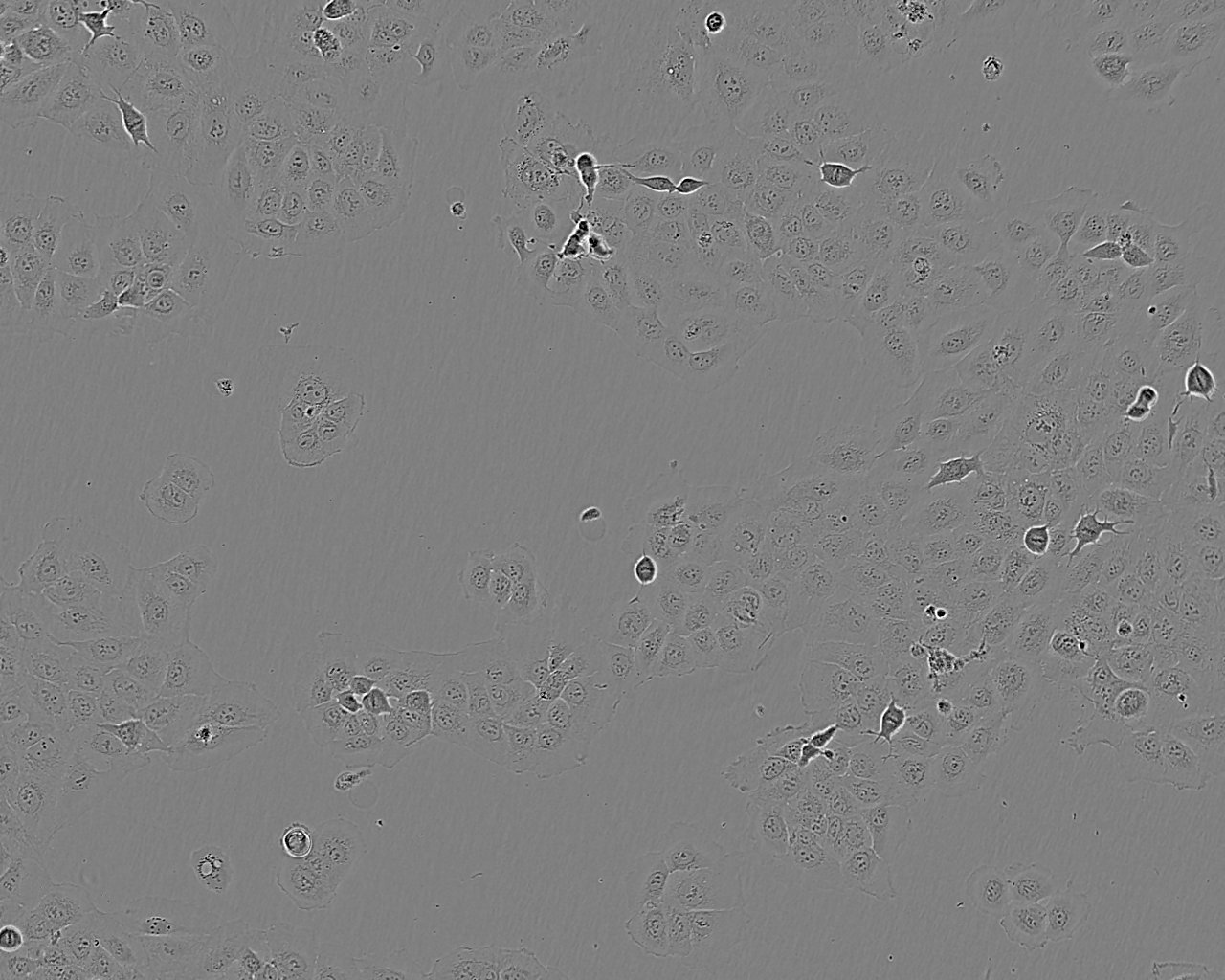
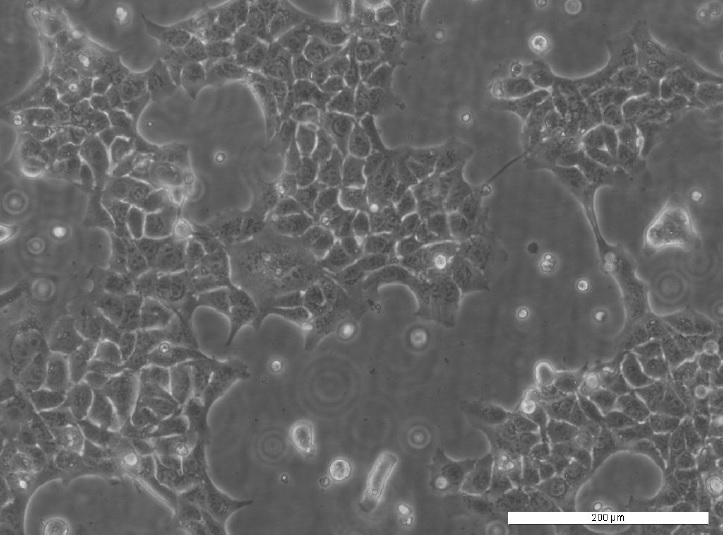
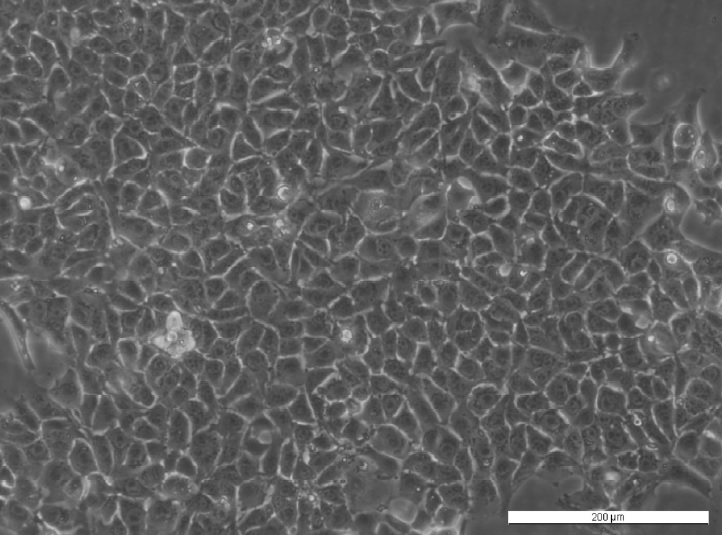
- Morphology: Epithelial cell line, with closely packed sheets at confluence.
- Growth properties: Adherent
- Model: Cancer cell line
- Conditional: Yes
- Description: CMT 167 is a highly metastatic murine alveogenic lung carcinoma cell line, derived from the parental CMT 64 line. Developed in 1984 at the Cancer Research UK London Research Institute (Lincoln's Inn Fields), CMT 167 was established through subcloning and in vivo selection for enhanced metastatic potential from pooled lung metastases of CMT 64. Compared to CMT 64, CMT 167 exhibits a markedly higher propensity for metastasis and is a useful tool to investigate the mechanisms and origins of metastatic progression in lung cancer.
- Production details: CMT 167 is a subclone of the CMT 64 alveogenic lung carcinoma cell line, originally derived from a primary tumour in a C57BL/1CRF mouse. To generate CMT 167, adult female C57B/T mice (aged 4–6 months) were subcutaneously injected in the lower right flank using a Bashford needle. The injected material consisted of pooled tumour fragments taken from various non-necrotic regions of CMT 64-derived tumours. Following tumour development, cells were harvested from resulting lung metastases. Epithelial outgrowths from these metastatic sites were cultured and selectively expanded based on their high metastatic potential. Through this process of subcloning and in vivo screening, the CMT 167 cell line was established as a more aggressively metastatic variant of CMT 64.
- Cellosaurus id: CVCL_2405
Handling
- Format: Frozen
- Growth medium: DMEM with 2mM Glutamine and 10% FCS
- Unit size: 1x10^6 cells / vial
- Shipping conditions: Dry ice
- Subculture routine: Split sub-confluent cultures (70-80%) 1:4 to 1:10 seeding at approximately 3 x 10^4 cells/cm² using 0.05% trypsin or trypsin/EDTA; 5% CO₂; 37°C. Saturation density 1.2 x 10^5 cells/cm². Please also see detailed protocol within the Product Datasheet in the Documentation section below.
Related Tools
- Related tools: CMT 64/61 Cell Line
References
- Bullock et al. 2019. Life Sci Alliance. 27:2(3): e201900328. PMID: 31133614
- Tippimanchai et al. 2018. Oncoimmunology. 7(6):e1438105. PMID: 29872579
- Seshadri et al. 2018. Front Pharmacol. 9:759. PMID: 30061830
- Li et al. 2017. Cancer Immunol Res. 9: 767-777. PMID: 28819064
- Pelaz et al. 2017. ACS Nano. 11(3):2313-2381. PMID: 28290206
- Evans et al. 2009. Cancer Res. 69(5):1733-8. PMID: 19208832
- Ismail et al. 2000. Cancer Res. 60(5):1173-6. PMID: 10728668
- Franks and Layton. 1984. Br J Cancer. 49(4):423-9. PMID: 6324837
- Layton and Franks. 1984. Br J Cancer. 49(4):415-21. PMID: 6324836
- Franks et al. 1976. Cancer Res. 36(3):1049-55. PMID: 1253168