Showing results for tumour microenvironment
Anti-MDM2 [SMP14] Product
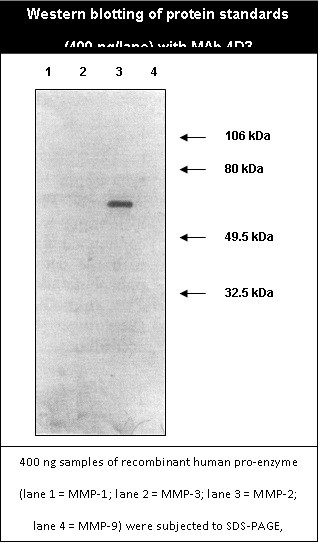
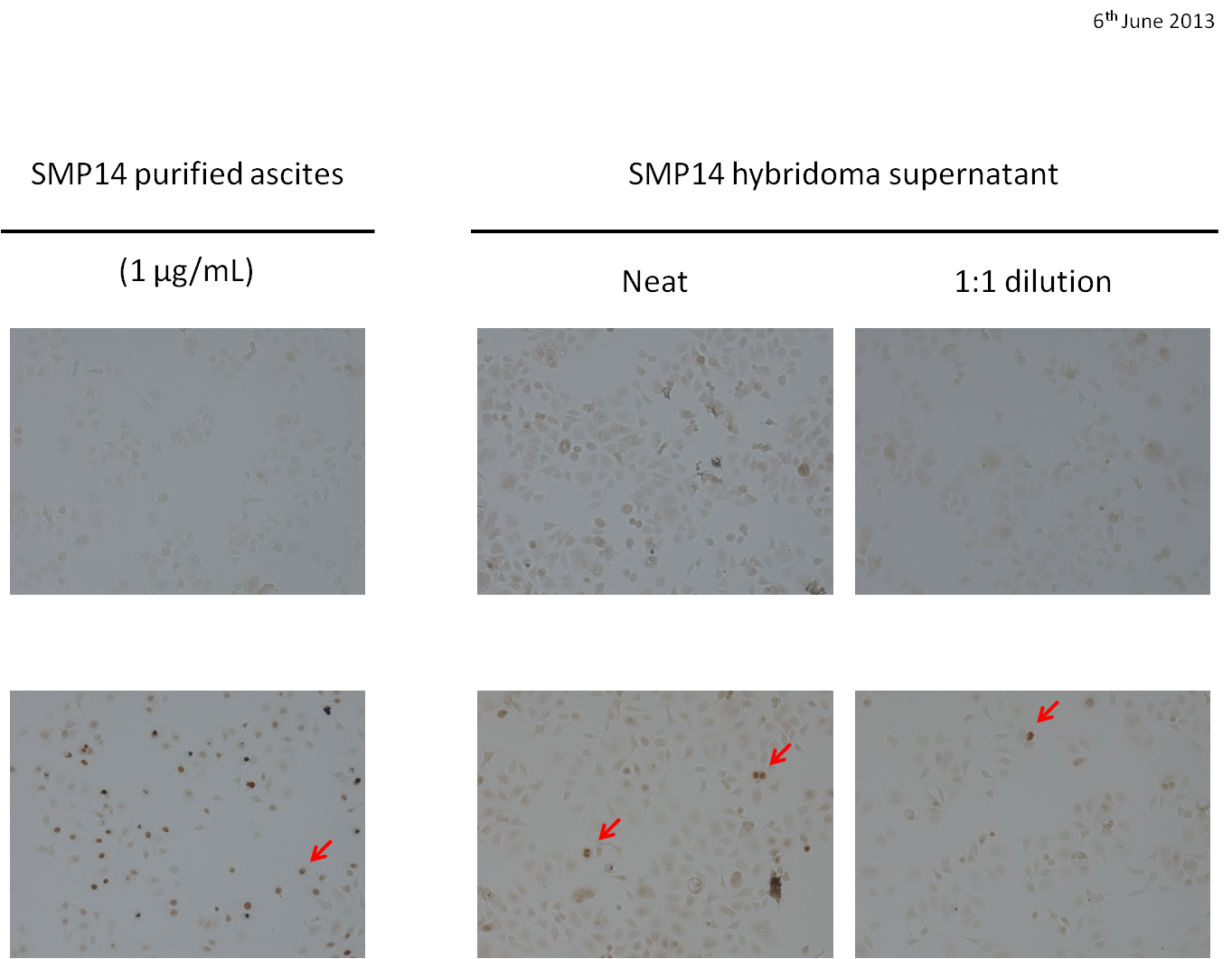
MDM2 is over-expressed in many tumours. Its principal function is the ubiquitination and degradation of p53 tumour suppressor protein.
Anti-VEGF [VG-1] Product
Monoclonal antibody targeted at vascular endothelial growth factor (VEGF) is valuable for investigating VEGF and angiogenesis in pathological conditions particularly within cancer.
Anti-p53 [Pab DO-1] Product
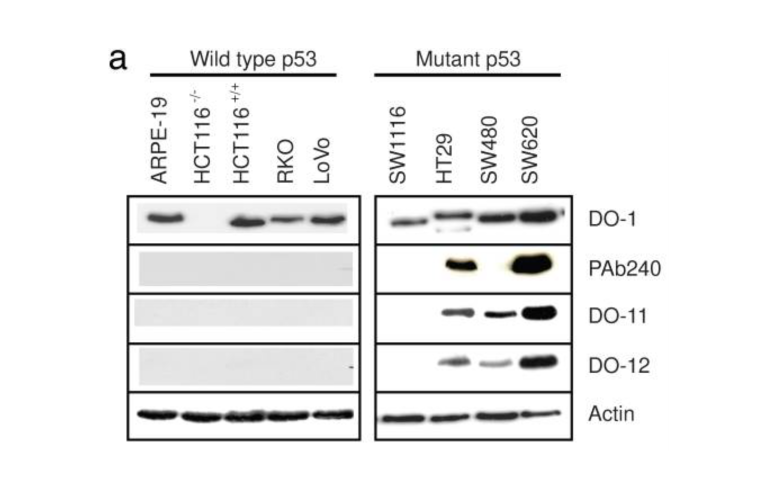
Anti p53 monoclonal antibody used to analyse and detect the most mutated gene in cancer’ p53 and its protein interactions, enabling identification of transformed cell lines.

Anti-p53 [Pab 240] Product
Monoclonal antibody reacts specifically with mutated p53 at an epitope conserved across species and normally hidden within the protein structure in non-mutant forms._x000D_
Anti-p53 Pab 240 was created further understand the biochemical role of p53 in cancers and the precise effects of mutation.Anti-p53 (Pab 240) antibody recognises an evolutionary conserved epitope upon p53 hidden within the normal protein structure, however it does not bind to immunoprecipitated wild type p53. This antibody recognises an epitope which is structurally elusive when p53 is in a wildtype conformation but becomes accessible upon denaturation or through mutational conformations where point mutations within the TP53 gene alter the conformational structure of the protein.
Anti-FGF3 [MSD1] Product
Monoclonal antibody directed against FGF-3, key for investigating breast carcinogenesis resulting from MMTV.
Anti-p53 [DO-12] Product
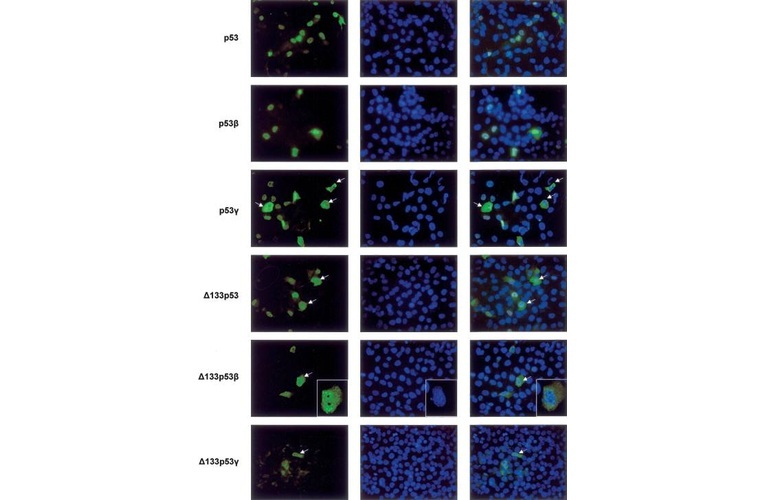
Anti-p53 DO-12 antibody recognises the human cellular tumour antigen p53, also known as p53 tumour suppressor protein or NY-CO-13. p53 is a 393 amino acid (approx. 53kDa) cytoplasmic/ nuclear protein […]
Anti-p53 [DO-11] Product
Anti-p53 DO-11 antibody recognises the human cellular tumour antigen p53, also known as p53 tumour suppressor protein or NY-CO-13. p53 is a 393 amino acid ~53kDa cytoplasmic/ nuclear protein upregulated […]
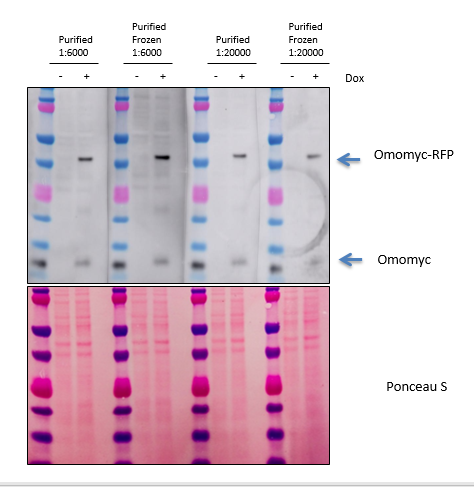
Anti-Omomyc [21-1-3] Product
[…] and activate transcription but remain competent for transcriptional repression. Expression of Omomyc can induce rapid tumour regression in mouse models with little toxicity for normal tissues, acting as a suppressor […]
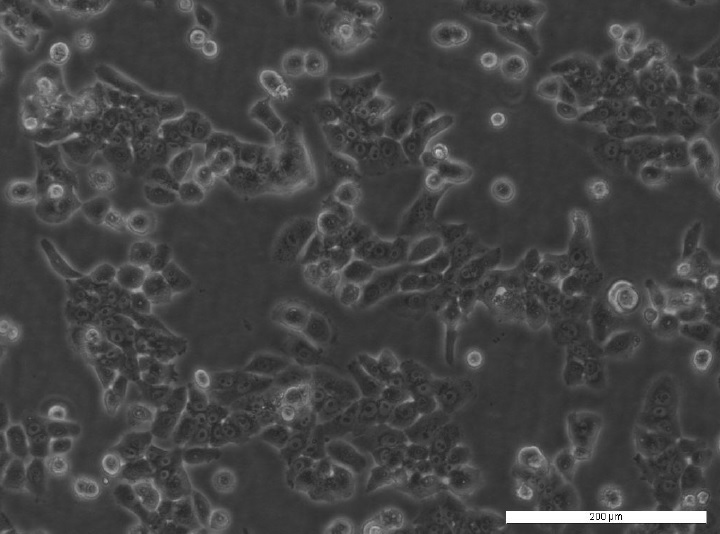
Driving discovery with our cancer cell lines Blog Post
[…] Cancer Research UK’s Lincoln’s Inn Fields (1). MB49’s value lies in its ability to capture tumour-immune dynamics in an immunocompetent, syngeneic system. Because it recapitulates key features of the human […]