Support and resources
Explore our cancer research areas, get support and review our tool terms and conditions
Cancer research areas
Bladder cancer
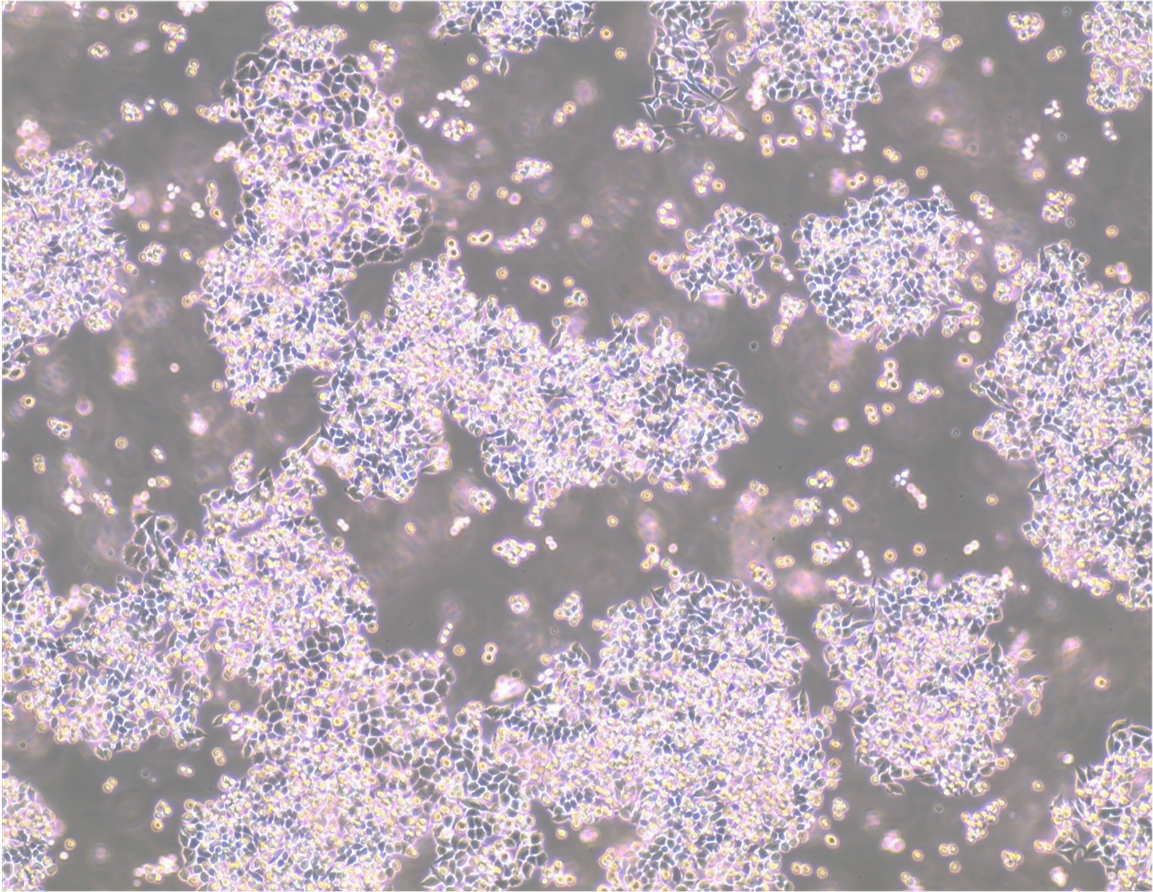
Bladder cancer is the 9th most common cancer worldwide, with transitional cell carcinoma (urothelial carcinoma) accounting for majority of cases. The disease presents challenges such as high recurrence rates, progression to muscle-invasive disease, and development of treatment resistance. Bladder cancer’s molecular heterogeneity, and sex-based differences, necessitate a diverse range of bladder cancer models, to reflect this disease.
Brain cancer
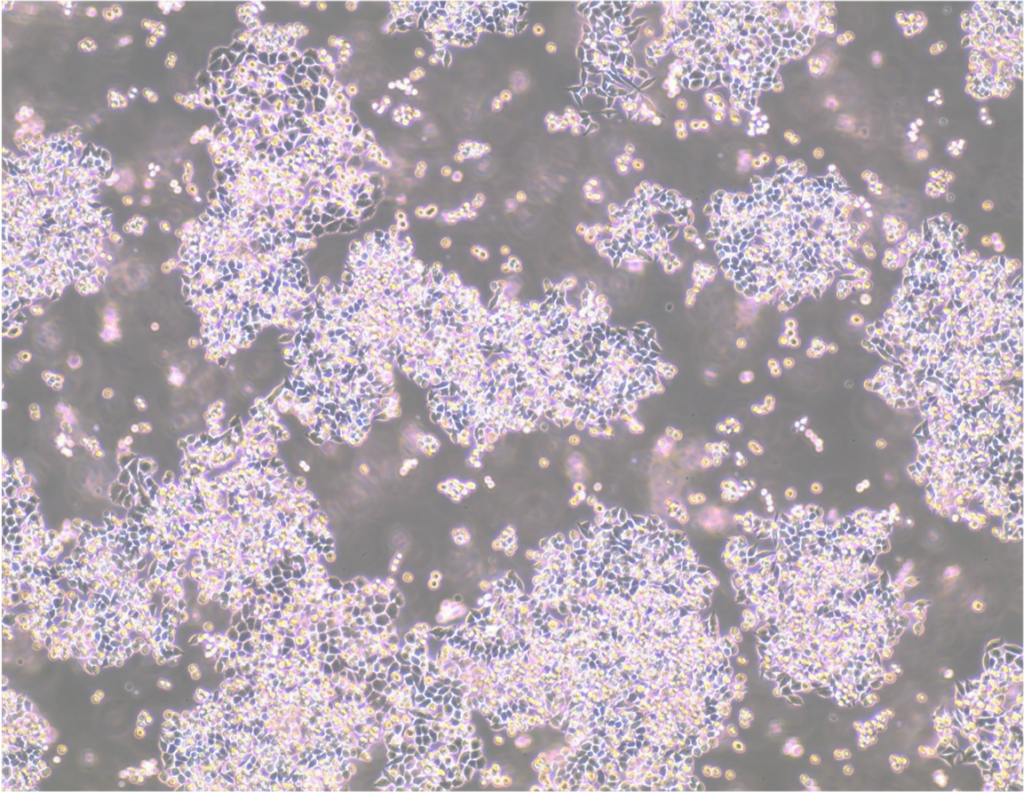
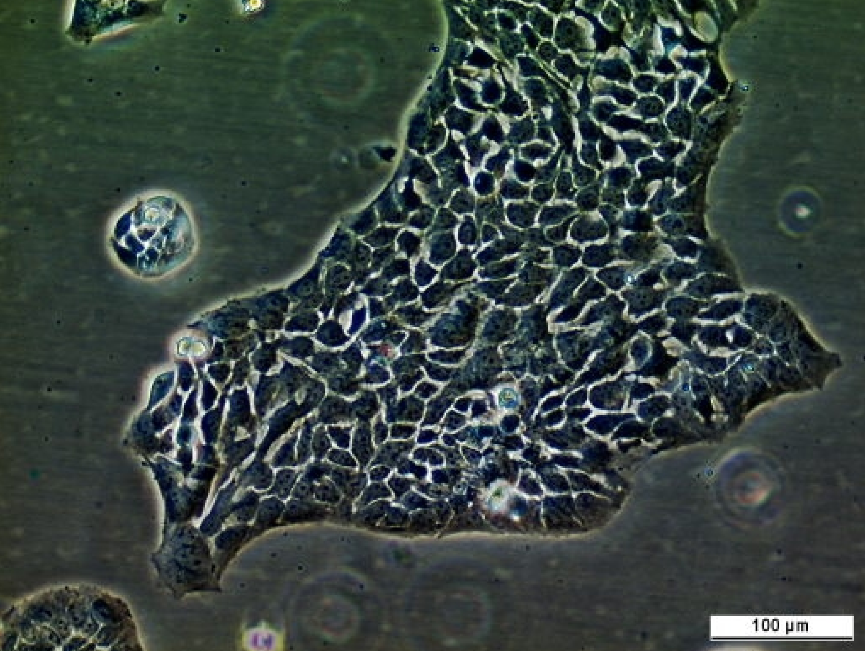
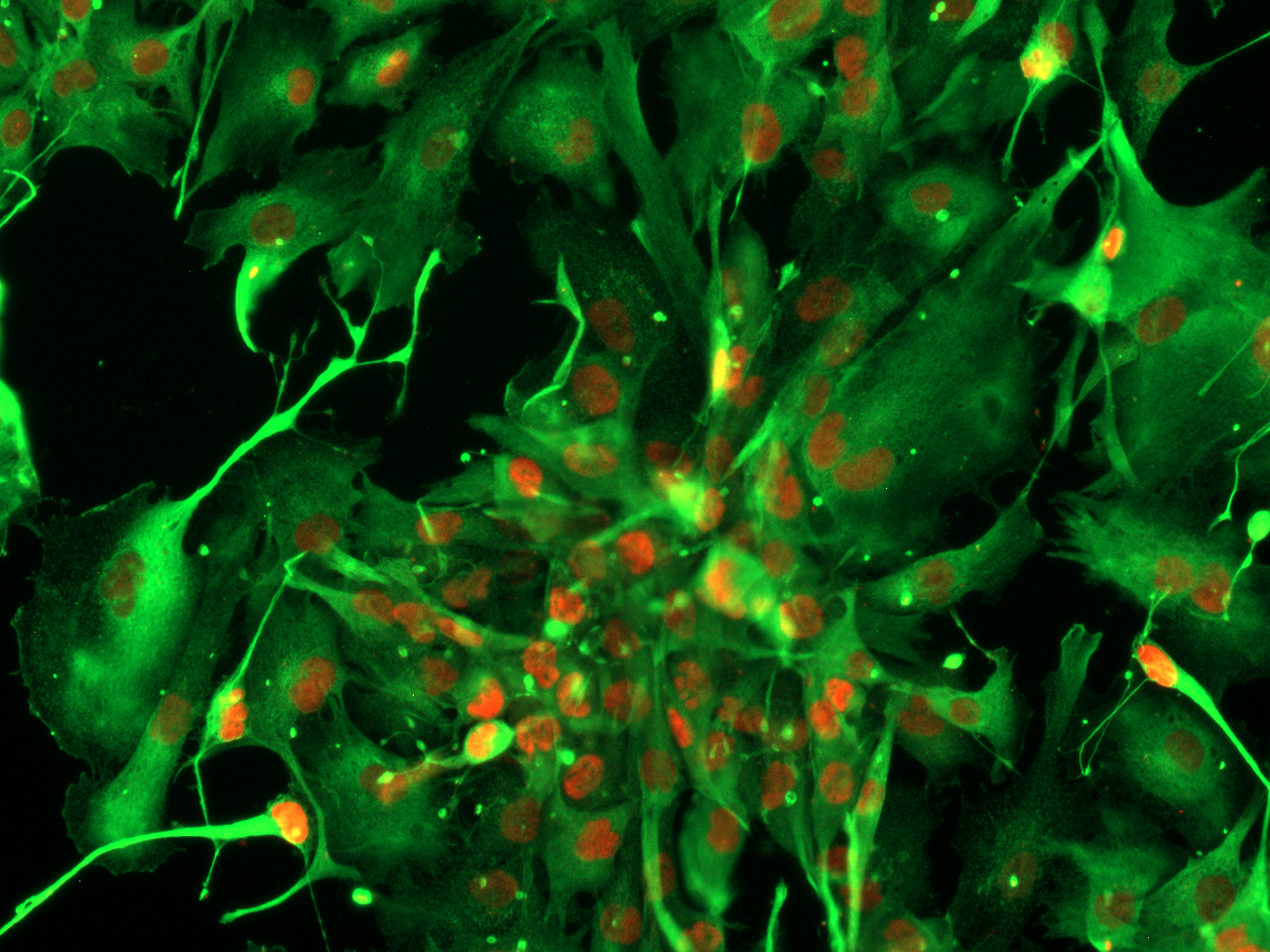
Gliomas are the most common malignant primary brain tumours and remain among the most challenging cancers to treat. These tumours span multiple grades and molecular subtypes, from lower‑grade, IDH‑mutant gliomas to high‑grade glioblastoma, each with distinct biological features and clinical outcomes. Many are associated with poor prognosis, treatment resistance, and limited therapeutic options. Their significant cellular and molecular heterogeneity, combined with complex disease progression, highlights the need for well‑characterised, patient‑derived models that capture tumour diversity and support the development of more effective therapies.
Breast cancer
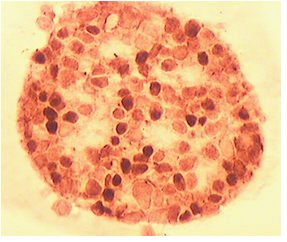
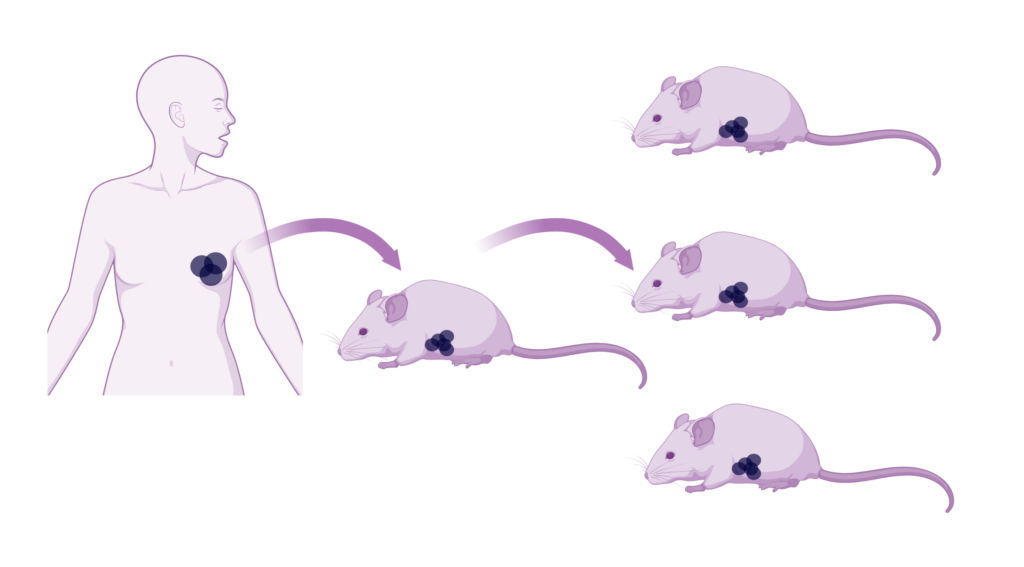
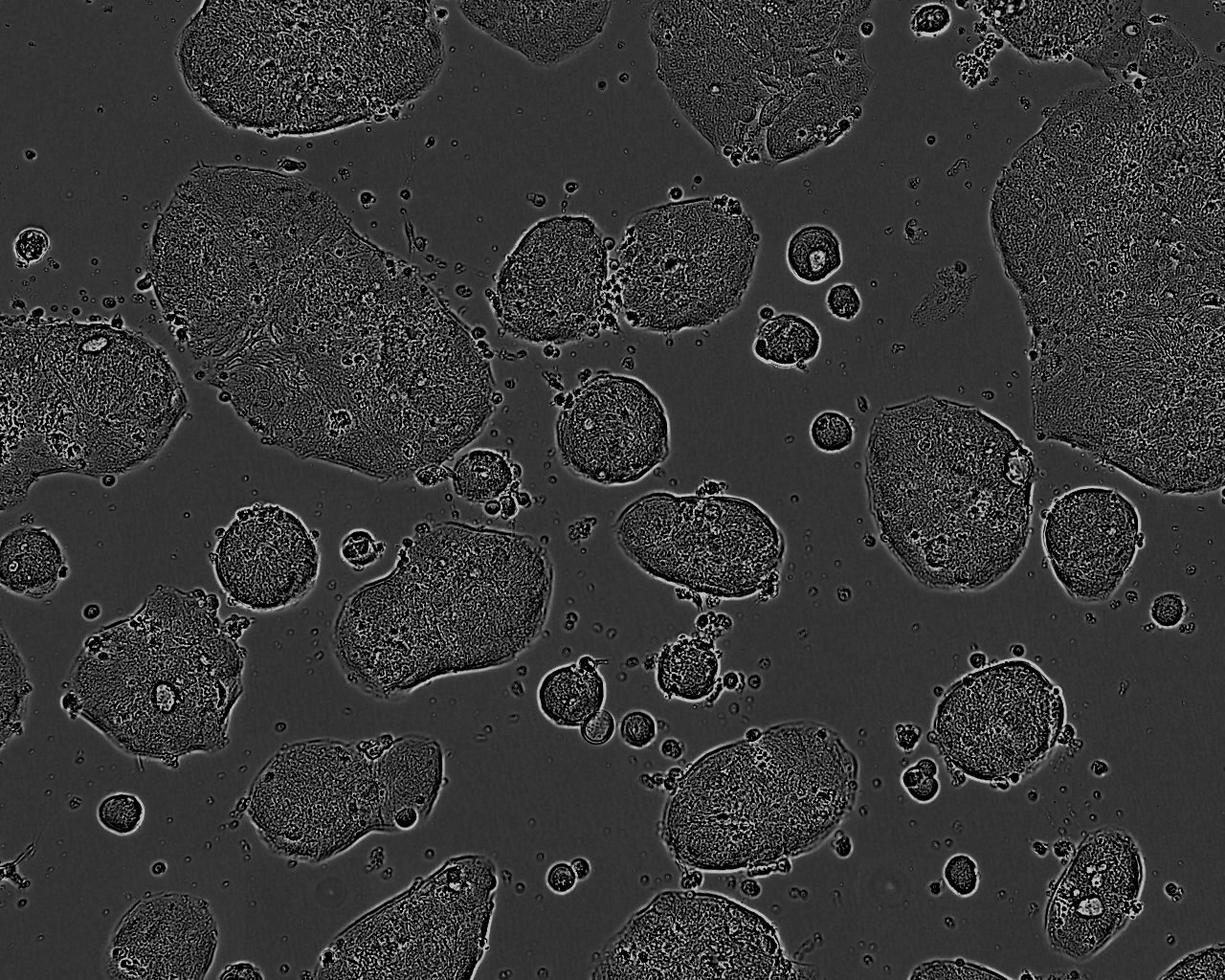
Breast cancer is the most common cancer in women worldwide. It is highly heterogeneous with distinct breast cancer types and subtypes, posing challenges for diagnosis and treatment. There are four key molecular breast cancer subtypes classified based on the expression of oestrogen and progesterone hormone receptors (ER and PR) and human epidermal growth factor receptor 2 (HER2). These include luminal A, luminal B, HER2-positive, and triple-negative breast cancer (TNBC), which is characterised by the lack of expression of any of the above receptors. TNBC is the most challenging breast cancer type as it does not respond to any hormonal or HER2-targeted therapies.
There is a need for breast cancer models that capture its heterogeneity to uncover novel disease mechanisms underlying its complexity and for more precise drug development.

Colorectal cancer
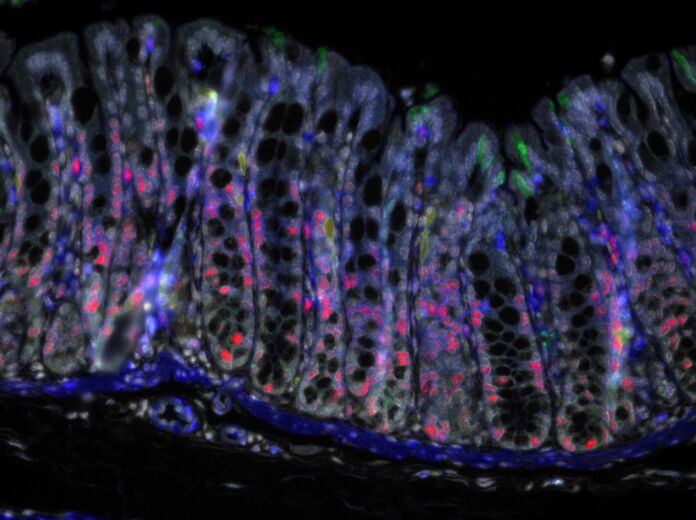
Colorectal cancer (CRC), also known as bowel cancer, is the third most diagnosed cancer worldwide, with increasing incidence in younger individuals and rising mortality rates in developing countries. CRC arises from mutations or stable epigenetic changes in genes including adenomatous polyposis coli (APC), kirsten rat sarcoma viral proto-oncogene (KRAS), B-Raf proto-oncogene, serine/threonine kinase (BRAF) and tumour protein 53 (TP53). Only 5% of cases are linked to germline mutations, the vast majority result from somatic changes that drive tumour initiation and progression.
As research advances, effective preclinical models remain essential to understanding the molecular drivers of disease and to identify and validate new therapeutic targets.
Head and Neck cancer
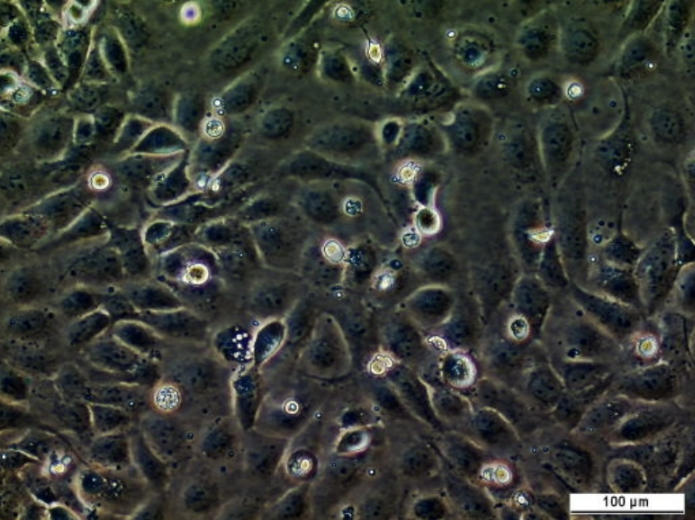
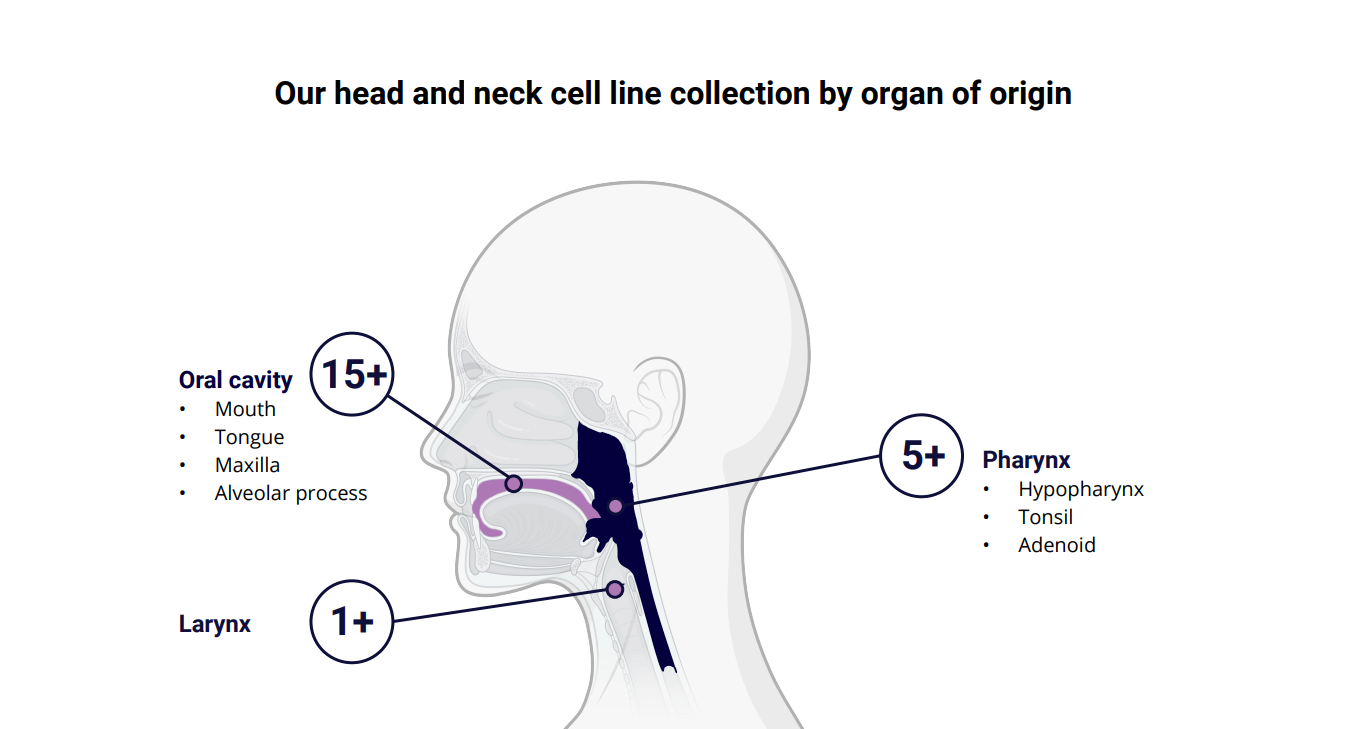
Squamous cell carcinomas of the head and neck (SCC-HN) make up about 90% of all head and neck cancers (HNC). They are malignant tumours arising in various regions including oral cavity, larynx (throat) and pharynx. It can also include cancer of the salivary glands, sinuses, muscles or nerves in the head and neck, but these types of cancer are much less common.
SCC-HN are the seventh most common cancer diagnosis worldwide. They can arise due to a variety of aetiologic factors including tobacco-exposure, alcohol consumption and high-risk human papilloma virus (HPV) infection. Clinical outcomes and treatments vary by anatomic site with 5-year survival rates ranging from 40-80% depending on stage, subsite, and HPV status.
Lung cancer
Lung cancer is the leading cause of cancer-related deaths worldwide, accounting for the highest mortality rates among both men and women. It is a highly heterogeneous disease with numerous subtypes that are broadly classified into:
– Small-cell lung cancer (SCLC), accounting for 15% of lung cancers
– Non-small cell lung cancer (NSCLC), accounting for 85% of lung cancers, which in turn, consists of three main subtypes:
– Lung adenocarcinoma
– Lung squamous cell carcinoma
– Large cell lung carcinoma
Despite treatment advances including targeted therapies and immunotherapies, the 5-year survival of patients with advanced disease is still below 20%. Lung cancer models that more accurately reflect tumour heterogeneity, disease progression and mimic patient responses, are needed to aid effective cancer research and therapy development.

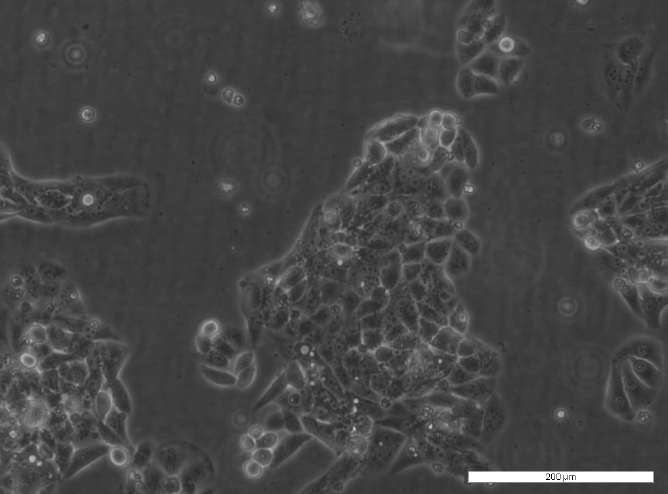
Ovarian cancer
Ovarian cancer is one of the most prevalent gynaecological malignancies worldwide, accounting for 3.7% of all cancer cases and 4.7% of cancer deaths in 2020.
Its most common variant, epithelial ovarian cancer (EOC), includes five genetically distinct subtypes with unique therapeutic responses:
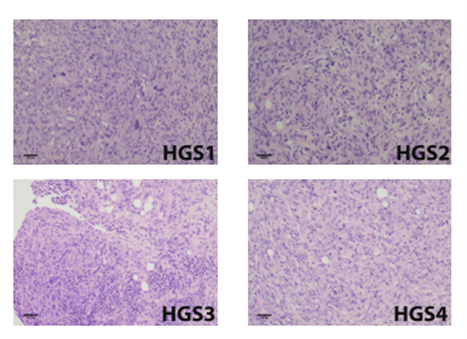
– High-Grade Serous Carcinoma (HGSC) [~75% of cases]
– Endometrioid carcinoma
– Clear cell carcinoma
– Low-grade serous carcinoma
– Mucinous carcinoma
This complexity means standard models are often insufficient. To meet this need, CancerTools provides a comprehensive set of ovarian cancer research models for disease modelling and preclinical drug discovery that capture diversity, resistance, and clinical context.
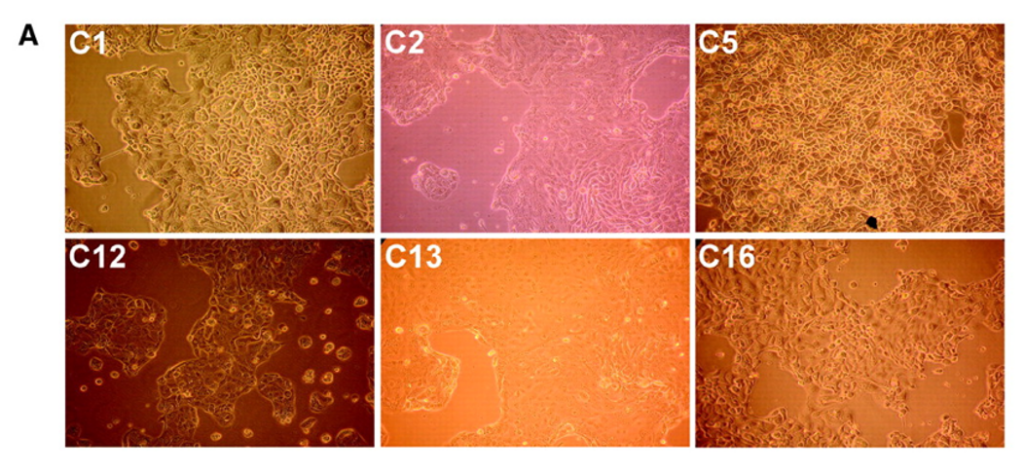
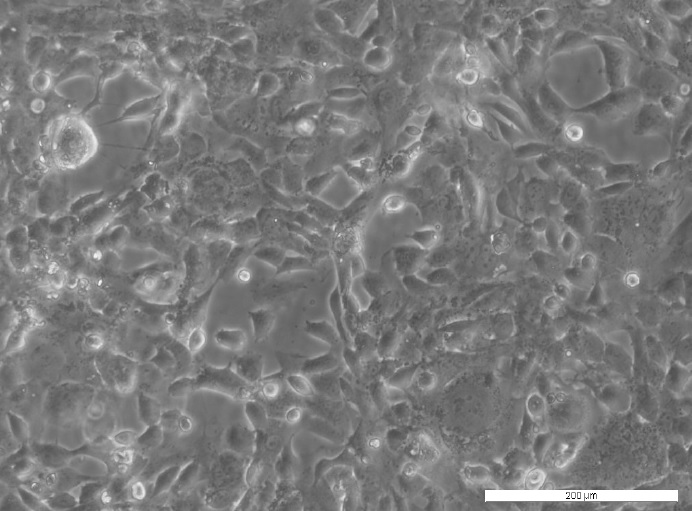
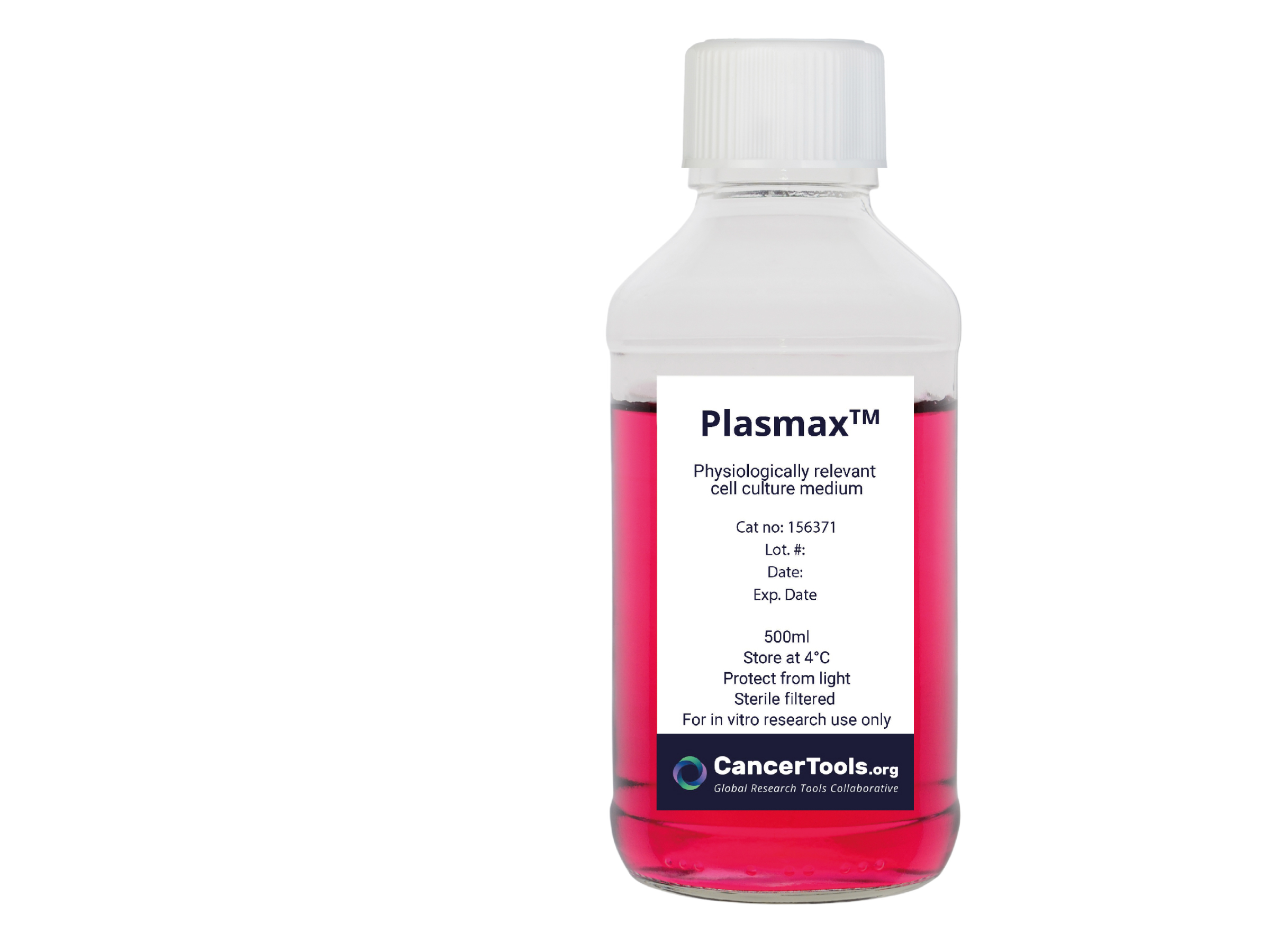
Plasmax
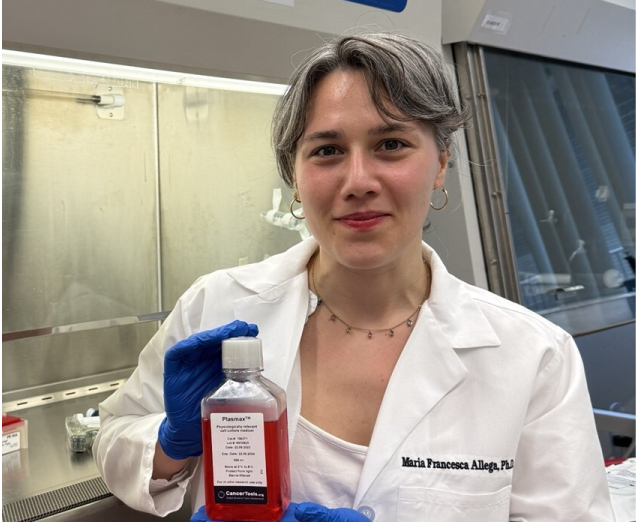
Plasmax™ is a physiologically relevant cell culture medium that mimics the metabolic profile of human plasma, giving your in vitro models the biological relevance conventional media can’t. Optimised from 80+ components, this ready-to-use medium contains growth-enhancing trace elements and is validated across primary and established cell lines, organoids and spheroids from multiple tissues.