Lung cancer is the leading cause of cancer-related deaths worldwide, accounting for the highest mortality rates among both men and women. It is a highly heterogeneous disease with numerous subtypes that are broadly classified into:
- Small-cell lung cancer (SCLC), accounting for 15% of lung cancers
- Non-small cell lung cancer (NSCLC), accounting for 85% of lung cancers, which in turn, consists of three main subtypes:
- Lung adenocarcinoma
- Lung squamous cell carcinoma
- Large cell lung carcinoma
Despite treatment advances including targeted therapies and immunotherapies, the 5-year survival of patients with advanced disease is still below 20%1. Lung cancer models that more accurately reflect tumour heterogeneity, disease progression and mimic patient responses, are needed to aid effective cancer research and therapy development.
At CancerTools.org, we have curated an extensive collection of lung cancer research tools, deposited by scientists from academic universities and leading cancer centres over 40 years. This includes a diverse array of:
- Well characterised lung cancer cell lines for improved disease modelling and preclinical drug screening
- Complex in vivo patient derived xenograft (PDX) to enhance preclinical drug discovery
- Widely used antibodies to study tumour immunology and signalling.
Explore our lung cancer research tools collection
Disease modelling
CancerTools.org provides diverse lung cancer cell lines including human tumour cell lines to accurately model the tumour-microenvironment, metastases, and treatment resistance, to aid scientists uncovering new pathways and develop improved in vitro models of lung cancer.
In vivo murine CMT models from lung carcinoma cell lines
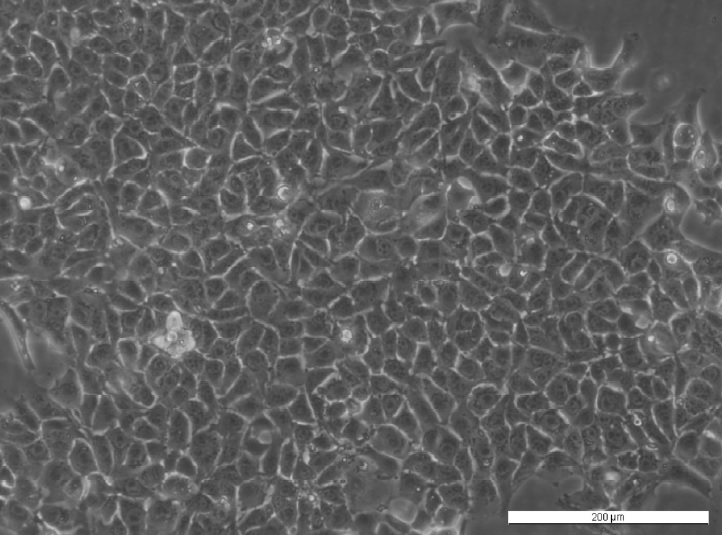
The CMT 64, 64/61, 167 and 170 cell lines from mouse alveolar lung carcinoma are widely used to investigate metastasis, immune responses, and immunoresistance. Specifically, the CMT 64 cell line serves as an in vivo tumourigenesis system, known for its stable growth and consistent morphology both in culture and in lung metastases following subcutaneous inoculation. Building on this model, the CMT 167 line was selected for its enhanced metastatic potential, making it valuable for investigating metastatic mechanisms.
Murine lung cancer lines to study RAS biology
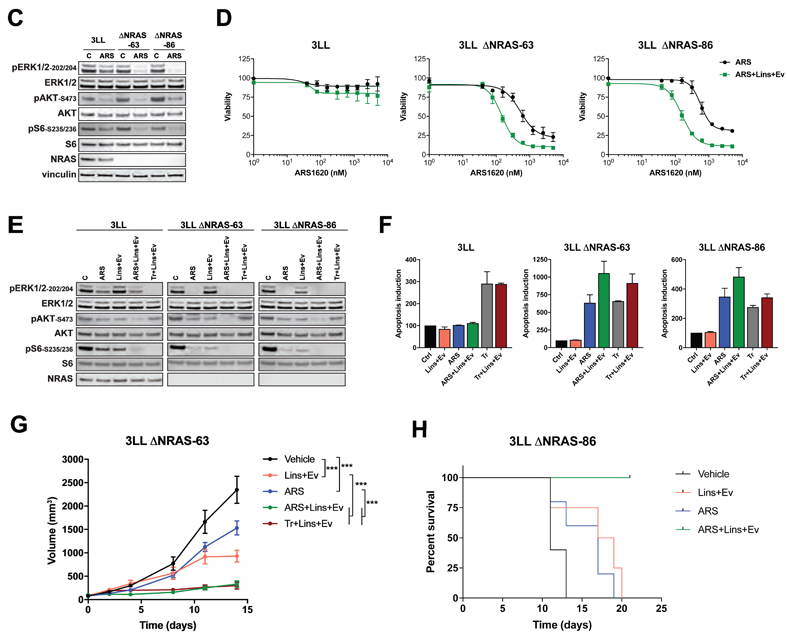
Murine Lewis lung carcinoma engineered 3LL NRAS KO cell lines, which have the NRAS gene knocked out, show increased dependence on oncogenic KRAS-G12C. These cell lines are useful models for studying the effects of KRAS-G12C inhibition on the tumour microenvironment and anti-tumour immunity.
KPAR cell lines, developed from tumours in an immunogenic syngeneic transplantation model of KRAS-mutant lung adenocarcinoma, replicate the mutational signature of human lung cancer. These cell lines are responsive to immunotherapy, making them valuable for investigating combined targeted and immunotherapy approaches.
Popular human lung cancer cell lines
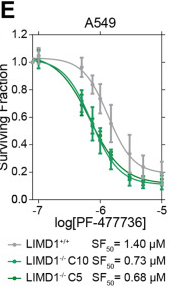
The A549 and NCI-H460 cell lines are extensively used in cancer and toxicology research. Our collection includes genetically modified A549 lines with knockouts of key lung cancer genes like LIDM1, as well as reporter lines for both A549 and NCI-H460.
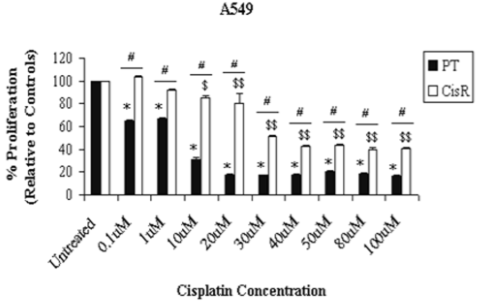
We also offer a cisplatin-resistant A549 CisR line for studying resistance mechanisms in lung cancer.
Additionally, our lung squamous cell carcinoma Calu lines are widely applied in cancer research, toxicology, high-throughput screening, and 3D cell culture studies.
Plasmax™: a physiologically relevant cell culture medium
Plasmax is a defined cell culture medium that provides a physiologically relevant environment by mirroring the concentration of over 50 components found in human plasma. This media been used to successfully culture the human lung cancer A549 cell line, leading to enhanced sensitivity to inhibitors of fatty acid catabolism and mitochondrial complex II without affecting mitochondrial turnover2.
Drug discovery
CancerTools.org provides human and murine cancer cell lines, patient-derived organoid (PDO) and patient-derived xenograft (PDX) NSCLC models that capture tumour heterogeneity and are clinically relevant to enhance lung cancer drug discovery.
In vivo murine CMT models from lung carcinoma cell lines
The CMT 64, 64/61, 167, and 170 cell lines, as noted earlier, can be used as efficient in vivo models with consistent growth and morphology in both culture and lung metastases. They can also be used in drug discovery for assessing efficacy on metastasis and immunoresistance.
Murine lung cancer lines to study RAS biology
The murine Lewis lung carcinoma engineered 3LL NRAS KO cell lines, as previously mentioned, display increased reliance on oncogenic KRAS-G12C, making them effective models to study KRAS-G12C inhibition in drug discovery. They are particularly useful for developing combination therapies aimed at maximising the efficacy of KRAS-G12C inhibitors in lung cancer.
As described earlier, KPAR cell lines are an immunogenic syngeneic transplantation model of KRAS-mutant lung adenocarcinoma responsive to immunotherapy. As immunocompetent models, they provide an invaluable resource for testing targeted therapies and offer a powerful platform for testing combined targeted and immunotherapy approaches in immune-responsive lung cancer.
Cisplatin-resistant A549 cell line
Our cisplatin-resistant lung carcinoma A549 CisR cell line is a valuable model for developing novel predictive biomarkers for therapy response. This line can also be used to gain an improved understanding of the underlying molecular mechanisms of resistance, supporting new drug discovery.
Patient-derived xenograft (PDX) models
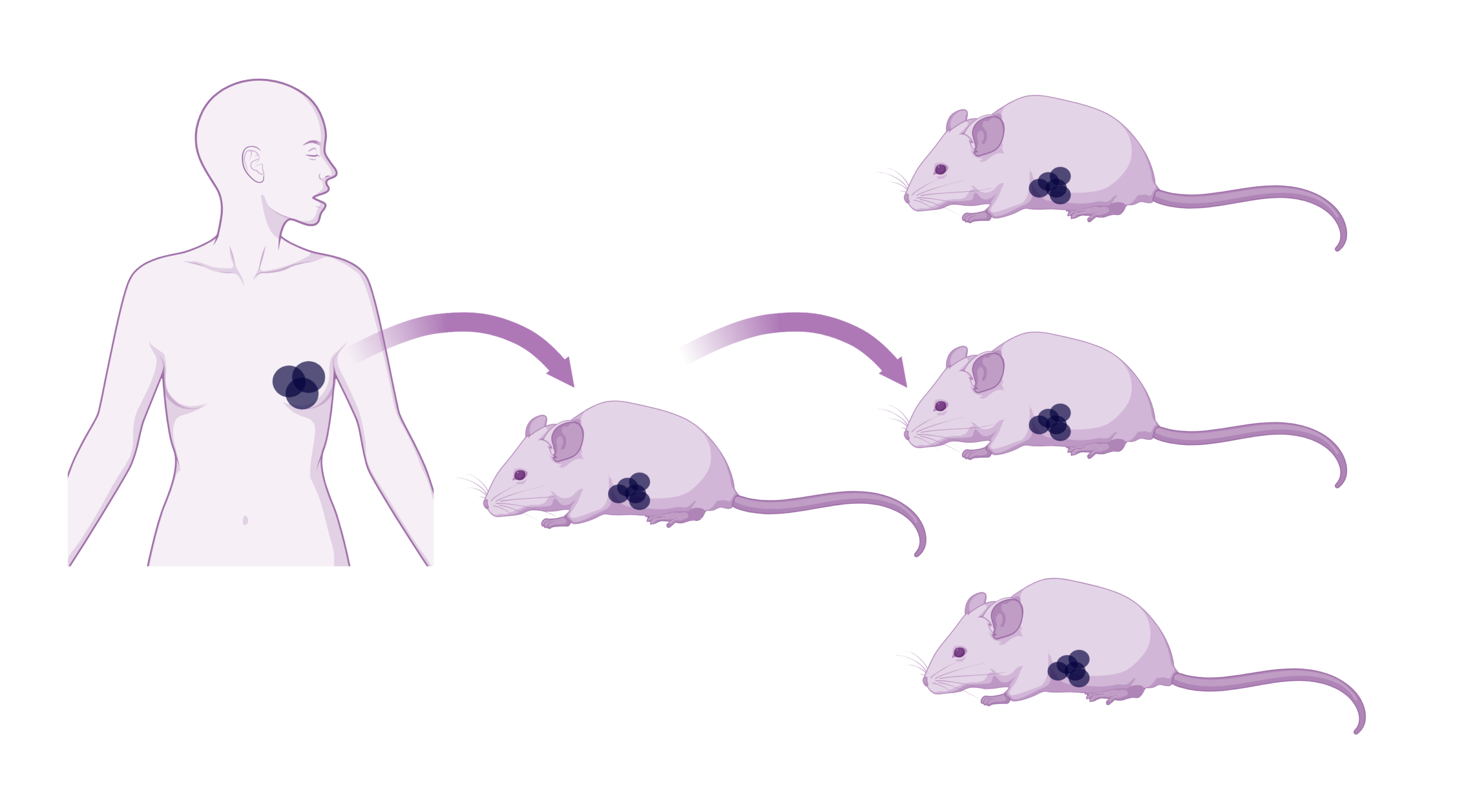
PDX models are created by transplanting human tumour tissue into immunodeficient mice. Our collection of NSCLC PDX models have been developed from multiple regions of primary tumours from patients enrolled in the Lung TRACERx (TRAcking Cancer Evolution through therapy (Rx)) study. PDX models are highly valuable in recapitulating patient tumour characteristics. These include more representative intratumour heterogeneity, genomic features, metastatic patterns and drug responses than traditional cell lines and animal models. These highly translatable models can be used to support accurate preclinical in vivo drug validation.
Tumour immunology and signalling

CancerTools.org provides widely used antibodies for targets with key functions in lung cancer development and progression. Our collection includes antibodies against critical immune checkpoint proteins and molecular drivers essential for studying tumour immunology and related signalling pathways.
Tumour immunology
Our diverse immune checkpoint antibody collection targets proteins crucial for cancer immunotherapy, including; scCTLA4, ICOS, CD70, CD27, CD86, CD134, and sCD40. These tools enable detailed investigations of tumour-immune cell interactions.

Tumour signalling
For molecular driver research, we offer antibodies targeting EGFR, which is frequently mutated in NSCLC and represents a major therapeutic target. Additionally, we have antibodies targeting tumour suppressor genes, including a panel of p53 antibodies (DO-11, DO-12, DO-1, Pab 240 and Pab 246) to enable detection of p53 with a range of epitopes.
References
- Hynds R.E. et al. Progress towards non-small-cell lung cancer models that represent clinical evolutionary trajectories, Open Biol. 11, 200247 (2021). PMID: 33435818
- Golikov M.V. et al. Cultivation of Cells in a Physiological Plasmax Medium Increases Mitochondrial Respiratory Capacity and Reduces Replication Levels of RNA Viruses. Antioxidants (Basel). 30, 97 (2021). PMID: 35052601