Breast cancer is the most common cancer in women worldwide. It is highly heterogeneous with distinct breast cancer types and subtypes, posing challenges for diagnosis and treatment. There are four key molecular breast cancer subtypes classified based on the expression of oestrogen and progesterone hormone receptors (ER and PR) and human epidermal growth factor receptor 2 (HER2). These include luminal A, luminal B, HER2-positive, and triple-negative breast cancer (TNBC), which is characterised by the lack of expression of any of the above receptors. TNBC is the most challenging breast cancer type as it does not respond to any hormonal or HER2-targeted therapies.
There is a need for breast cancer models that capture its heterogeneity to uncover novel disease mechanisms underlying its complexity and for more precise drug development.
At CancerTools.org, we have curated an extensive collection of breast cancer research tools, deposited by scientists from academic universities and leading cancer centres over 40 years. This includes a diverse array of breast cancer cell lines for improved disease modelling, more complex in vivo patient derived xenograft (PDX) and mouse models to enhance preclinical drug discovery workflows, as well as widely used antibodies to study tumour signalling pathways.
Explore our breast cancer research tools collection
Disease modelling
CancerTools provides diverse breast cancer cell lines to accurately model the tumour-microenvironment, metastases, and treatment resistance, to aid scientists uncover new pathways and develop improved in vitro models of breast cancer.
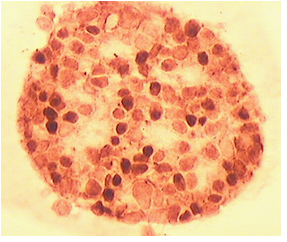
Anti-oestrogen resistant MCF7 and T47D cell lines
These have been derived from human breast cancer cell lines, MCF7 and T47D which depend on oestrogen for growth and demonstrate resistance to hormone-dependent breast cancer treatments. These anti-oestrogen resistant lines, including the MCF7/TAMR-1 cell line, allow researchers to better understand the underlying molecular mechanisms of resistance.
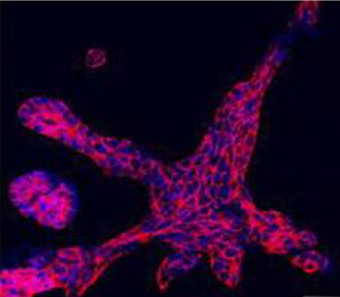
HER2-positive MCF10A derivative line
This MCF10A breast cancer subline shows inducible overexpression of the HER2 protein at clinically relevant levels, co-expresses GFP for tracking and selection, and can be cultured in 3D for enhanced biological relevance. This cell line enables early molecular change detection in HER2-driven tumour development and HER2-mediated signalling pathway analysis.
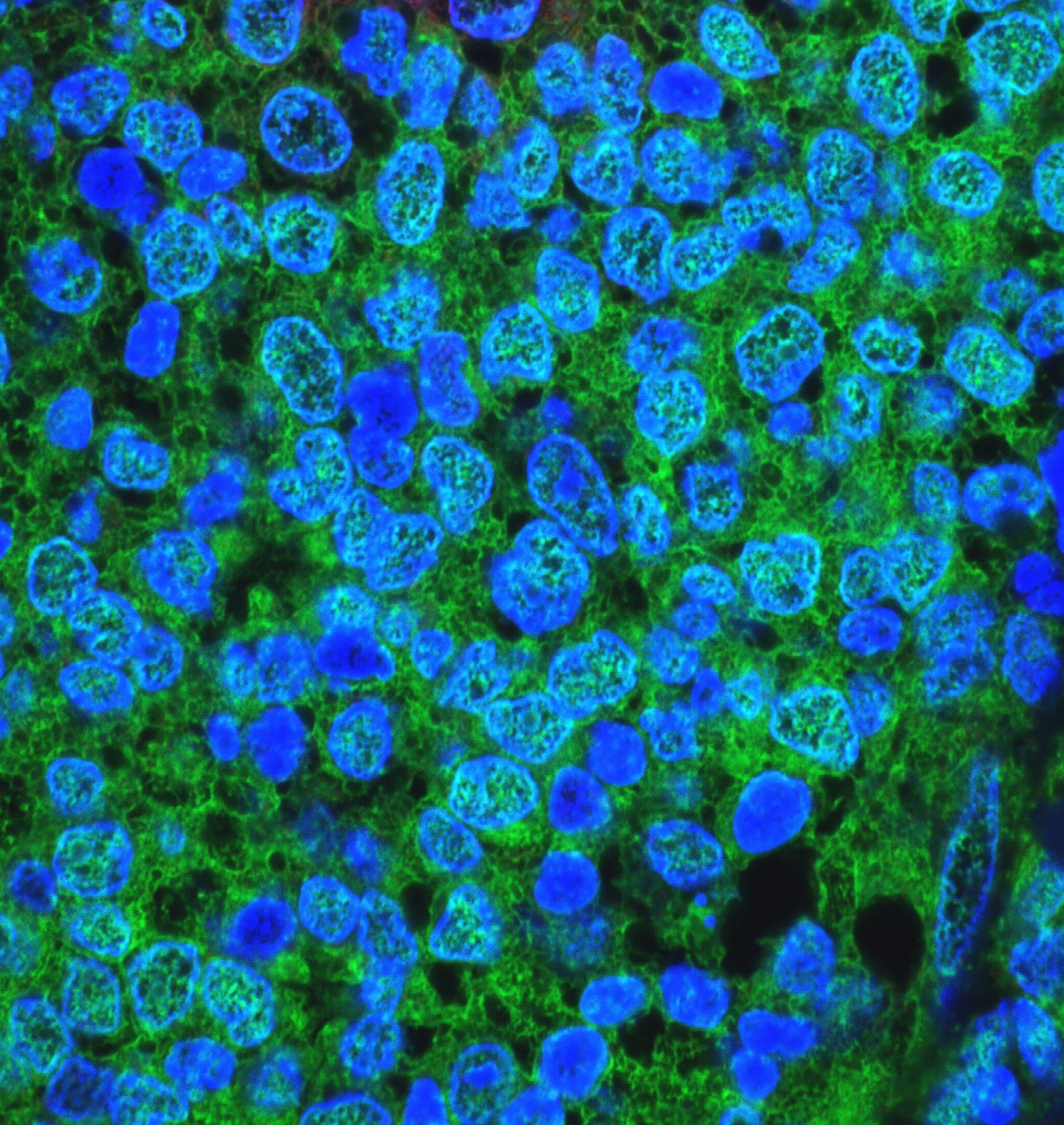
Triple negative MDA-MB-231 modified reporter line
The MDA-MB-231/ EGFP_LC3 cell line is a triple negative breast cancer (TNBC) subtype line that stably expresses the EGFP tagged microtubule associated protein 1 light chain 3 beta (MAP1LC3B) protein, a key player in the autophagy pathway. These cells can be used to study autophagy pathway dynamics in real-time and study autophagy-mediated therapy resistance, in TNBC.
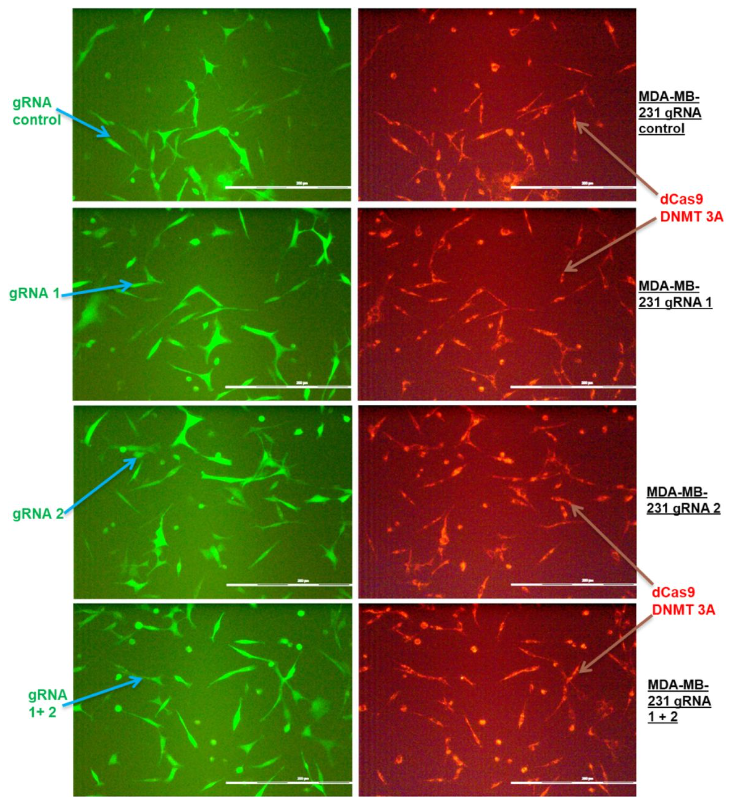
Gene-edited MCF7 and MDA-MB-231 cell lines
Gene-edited MCF7 sgRNA 1 & 2 and MDA-MB-231 sgRNA 1 & 2 cell lines enable the investigation of the breast BRCA1 non mutated and hypermethylated breast cancer tumourigenesis pathways. Both cell lines contain site-specific methylations in the BRCA1 promoter.
Plasmax™: a physiologically relevant cell culture medium
Plasmax is a defined cell culture medium that provides a physiologically relevant environment by mirroring the concentration of over 50 components found in human plasma. This media been used to successfully culture three triple-negative breast cancer cell lines, BT549, MDA-MB-468 and CAL-120, by recapitulating the tumour metabolic environment.
Explore our breast cancer cell lines
| Tool name | Cat. # | Inventor/ Institute | Organism | Key attributes |
|---|---|---|---|---|
| MCF7/S0.5 | 152090 | Anne Lykkesfeldt, Danish Cancer Society | Human | – Tamoxifen/fulvestrant sensitive control line |
| MCF7/TAMR-1 | 152089 | Anne Lykkesfeldt, Danish Cancer Society | Human | – Tamoxifen resistant subline |
| MCF7/TAMR-4 | 152088 | Anne Lykkesfeldt, Danish Cancer Society | Human | – Tamoxifen resistant subline |
| MCF7/TAMR-7 | 152087 | Anne Lykkesfeldt, Danish Cancer Society | Human | – Tamoxifen resistant subline |
| MCF7/TAMR-8 | 152086 | Anne Lykkesfeldt, Danish Cancer Society | Human | – Tamoxifen resistant subline |
| MCF7/164R-1 | 152091 | Anne Lykkesfeldt, Danish Cancer Society | Human | – Fulvestrant resistant subline |
| MCF7/164R-4 | 152101 | Anne Lykkesfeldt, Danish Cancer Society | Human | – Fulvestrant resistant subline |
| MCF7/164R-5 | 152102 | Anne Lykkesfeldt, Danish Cancer Society | Human | – Fulvestrant resistant subline |
| MCF7/164R-7 | 152103 | Anne Lykkesfeldt, Danish Cancer Society | Human | – Fulvestrant resistant subline |
| MCF7/182R-1 | 152104 | Anne Lykkesfeldt, Danish Cancer Society | Human | – Fulvestrant resistant subline |
| MCF7/182R-6 | 152105 | Anne Lykkesfeldt, Danish Cancer Society | Human | – Fulvestrant resistant subline |
| MCF7/182R-7 | 152106 | Anne Lykkesfeldt, Danish Cancer Society | Human | – Fulvestrant resistant subline |
| T47D/S2 | 152109 | Anne Lykkesfeldt, Danish Cancer Society | Human | – Tamoxifen sensitive control line |
| T47D/TR-1 | 152108 | Anne Lykkesfeldt, Danish Cancer Society | Human | – Tamoxifen resistant subline |
| T47D/TR-2 | 152110 | Anne Lykkesfeldt, Danish Cancer Society | Human | – Tamoxifen resistant subline |
| T47D/S5 | 152111 | Anne Lykkesfeldt, Danish Cancer Society | Human | – Fulvestrant sensitive control line |
| T47D-182R2 | 151890 | Anne Lykkesfeldt, Danish Cancer Society | Human | – Fulvestrant resistant subline |
| T47D-182R1 | 151891 | Anne Lykkesfeldt, Danish Cancer Society | Human | – Fulvestrant resistant subline |
| MCF10A-HER2 | 157986 | Richard Grose, Gabriella Ficz and Ateequllah Hayat, Queen Mary University of London | Human | – Inducible HER2 overexpression at clinically relevant levels – Integrated GFP expression |
| SK-BR-3 | 161911 | Lloyd J. Old and Germain Trempe, Memorial Sloan -Kettering Cancer Center (MSK) | Human | – Human cell line – Overexpresses HER2 protein |
| MDA-MB-231/ EGFP_LC3 | 161138 | T. R. Santhosh Kumar, Rajiv Gandhi Centre for Biotechnology | Human | – TNBC line stably expressing EGFP tagged LC3 protein – Recapitulates LC3 puncta formation |
| E3 STn | 151847 | Joyce Taylor-Papadimitriou and Joy Burchell, Cancer Research UK, London Research Institute | Mouse | – Mouse cell line – Expresses human MUC1 and Sialyl-Tn |
Drug discovery
CancerTools.org provides anti-oestrogen resistant cell lines, patient-derived organoid (PDO) and patient-derived xenograft (PDXs) breast cancer models that capture tumour heterogeneity and are clinically relevant, to enhance breast cancer drug discovery.
Anti-oestrogen resistant MCF7 and T47D cell lines
These anti-oestrogen resistant cell lines, as described earlier, offer the potential for developing novel predictive biomarkers for therapy response and an improved understanding of the underlying molecular mechanisms of resistance, supporting new drug discovery.
Patient-derived xenograft (PDX) models
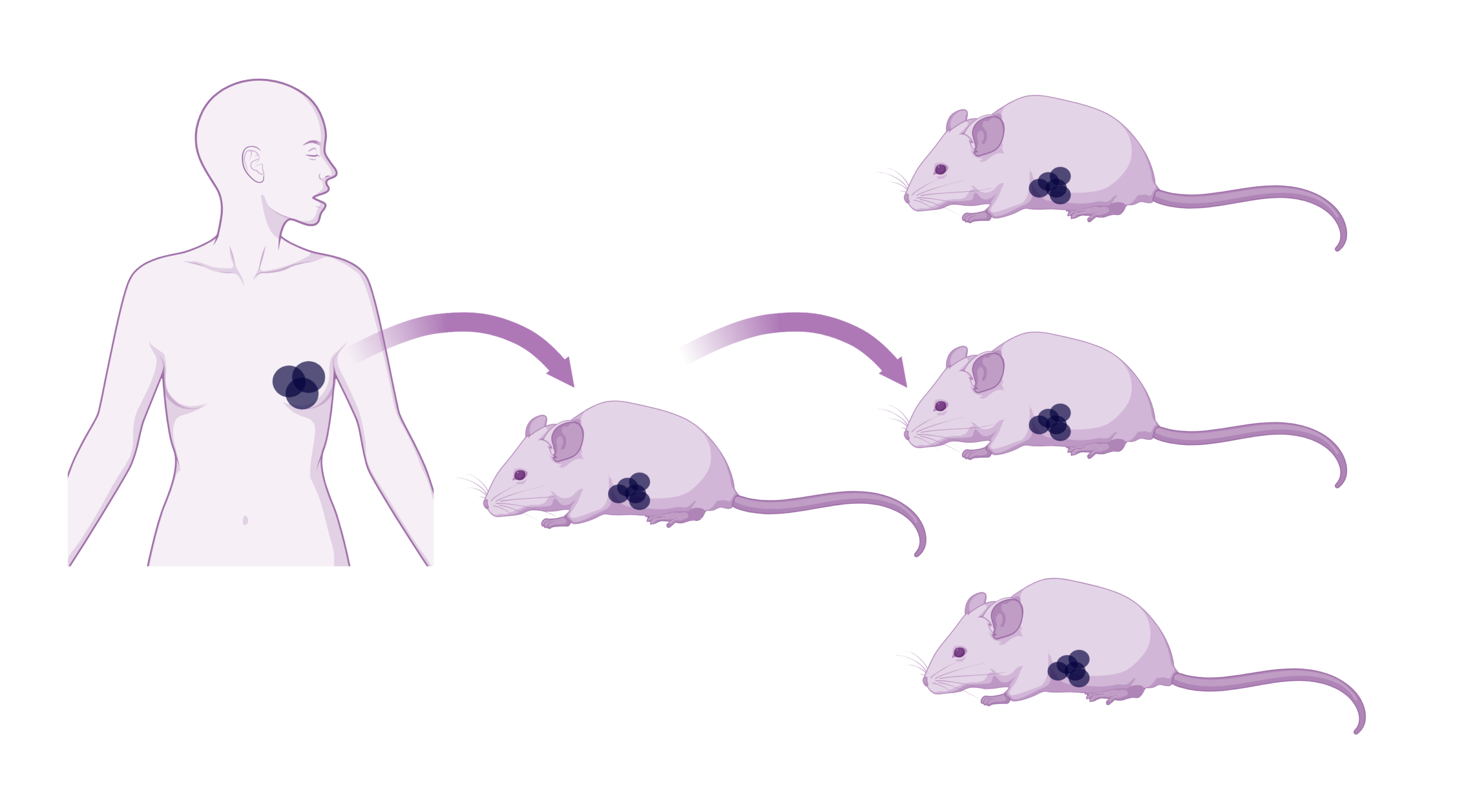
PDX models are created by transplanting human tumour tissue into immunodeficient mice. Our collection of breast cancer PDX models includes those from patients affected by the most advanced and lethal forms of breast cancer, such as aggressive, metastatic and treatment resistant subtypes. PDX models are superior in recapitulating patient tumour characteristics including spatial structure, intratumour heterogeneity, genomic features, tumour growth rates, metastatic patterns and drug responses. These highly translatable models can be used to enhance and de-risk preclinical in vivo drug validation.
Explore our breast cancer PDX models
| Tool name | Cat. # | Inventor/ Institute | Key attributes |
|---|---|---|---|
| HCI-001 to HCI-054 breast cancer PDX | 162069 to 162121 | Alana L. Welm, Yi-Chun Lin and Yoko Sakata DeRose, The University of Utah Research Foundation | – Capture patient intratumour heterogeneity – Recapitulate patient drug response profiles |

MUC1 mouse model
Tumour associated antigen, MUC1 is aberrantly overexpressed in 90% of human breast cancers and represents a promising therapeutic target for breast cancer. Our MUC1 mouse model can be used for the preclinical study of anti-MUC1 vaccines/immunotherapies.
Tumour signalling
CancerTools.org provides widely used antibodies for targets with key functions in tumour signalling pathways including tumour suppressors (p53, RB1), oncogenes (c-MYC), and tumour associated antigens (MUC1).

Tumour suppressors
Antibodies targeting p53, Retinoblastoma 1 (RB1), and Maspin, all tumour suppressors with key roles in biological processes across different types of tumours including breast cancer tumours. Our collection also features antibodies against PALB2 and BRCA1/2, both tumour suppressors whose pathogenic variants are associated with breast cancer, as well as ovarian and pancreatic cancers.
Oncogenes
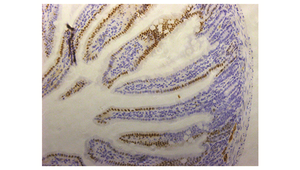
Multiple antibodies targeting the oncogene, c-MYC, a transcription factor of high interest in breast cancer research due to its regulation of key biological processes in the tumour microenvironment, e.g. angiogenesis, tumour evasion, invasion, and migration
Tumour associated antigens
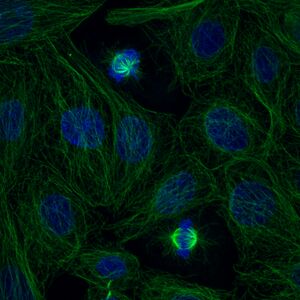
Antibodies targeting tumour associated antigens like MUC1, a promising marker for breast cancer diagnosis and prognosis.
Explore our breast cancer antibodies
| Tool name | Cat. # | Inventor/ Institute | Reactivity | Key attributes |
|---|---|---|---|---|
| Anti-cMyc [9E10] | 151067 | Gerard Evan, University of California San Francisco | Human | – Monoclonal antibody – Detects c-Myc oncogene product |
| Anti-MUC1 [HMFG1] | 151495 | Joyce Taylor-Papadimitriou and Joy Burchell, Cancer Research UK, London Research Institute | Human | – Monoclonal antibody – Detects human MUC-1 |