Drug discovery: From target to translation
Research tools for every stage of cancer drug discovery
Drug discovery is a complex, rarely linear journey – from identifying and validating promising targets to understanding drug response, evaluating therapeutic potential and generating evidence that can support translation.
With many major challenges throughout the process – for example the high drug failure rate due to poorly predictive preclinical models – whatever stage you are at, having the right research models can help you ask better questions, explore new possibilities, avoid roadblocks and reduce attrition.
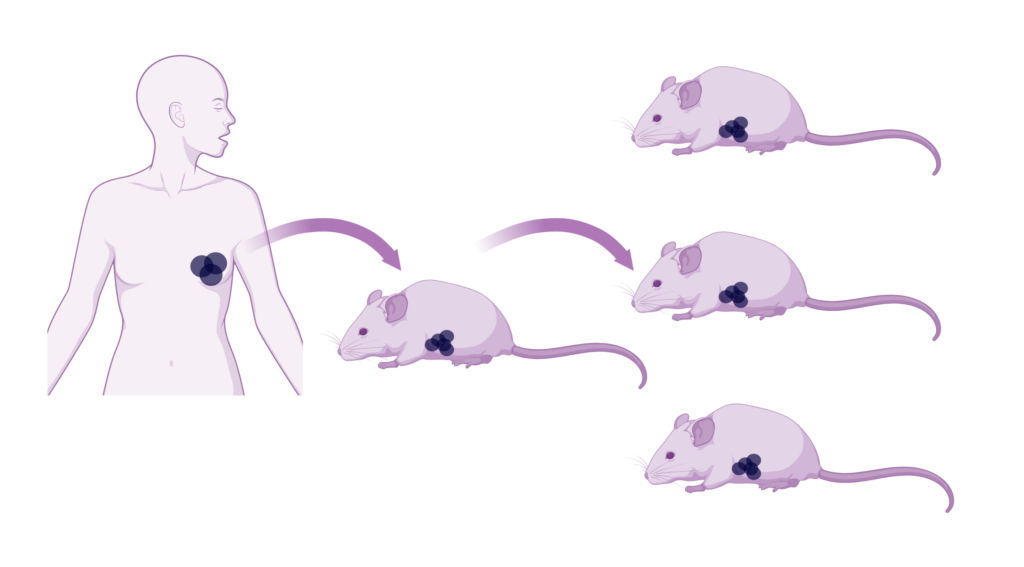
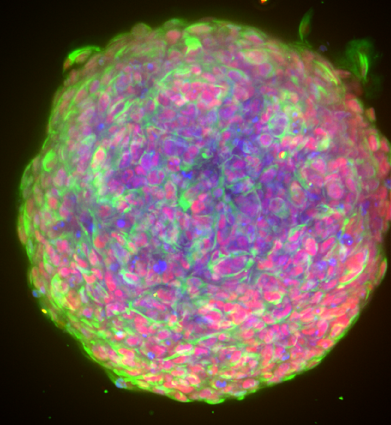
CancerTools provides access to a growing portfolio of researcher-developed cancer research tools and advanced cancer models such as cancer cell lines, more predictive patient-derived cell lines (PDC) and xenograft (PDX) models, mouse models, exclusive antibodies and more to support your research across the drug discovery journey. By sharing knowledge and working collaboratively, we can help advance cancer research together.
Explore research tools for every stage of drug discovery:
1. Target identification and validation
Understanding the molecular mechanisms driving cancer can reveal potential vulnerabilities and therapeutic targets.
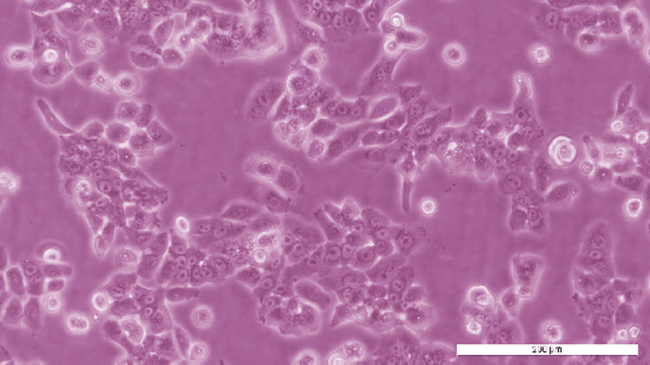
CancerTools provides access to cancer models and reagents that can help you investigate disease biology, molecular pathways, target expression, function, and therapeutic response across different genetic backgrounds.
Explore key models below for target identification and validation studies

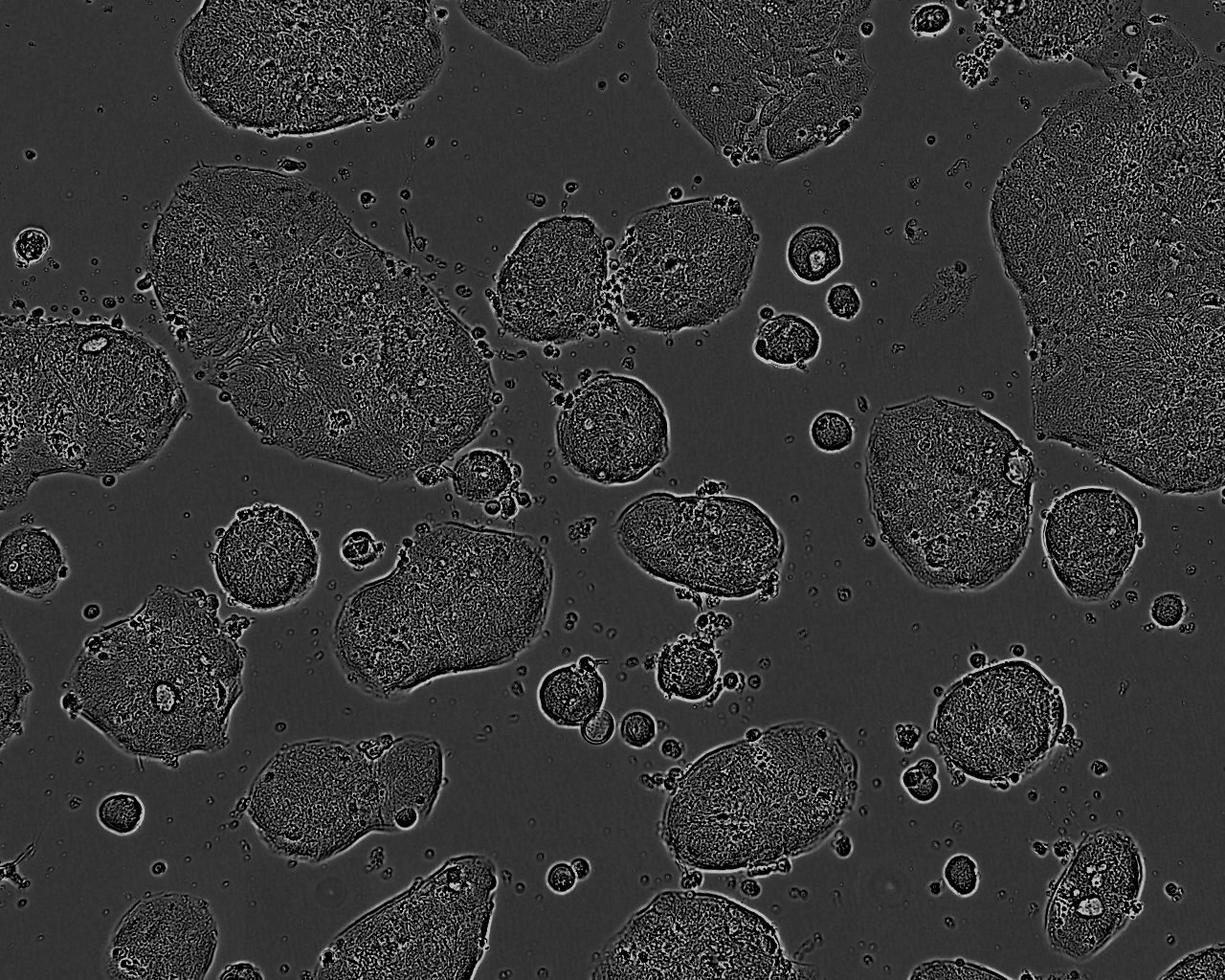
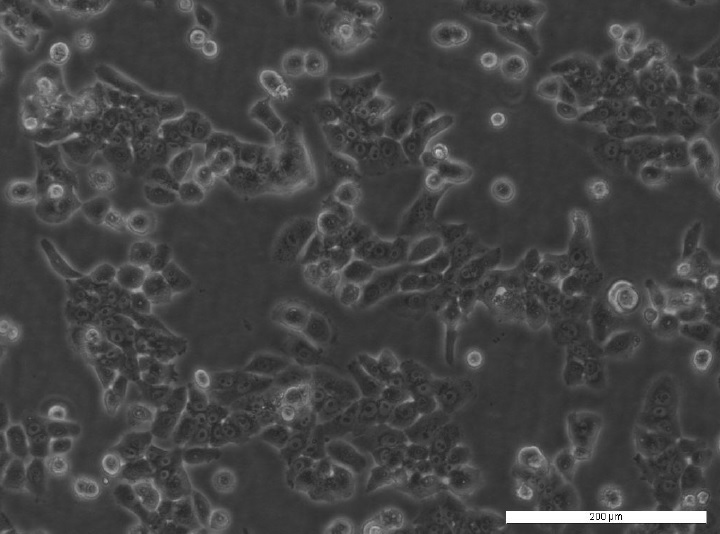
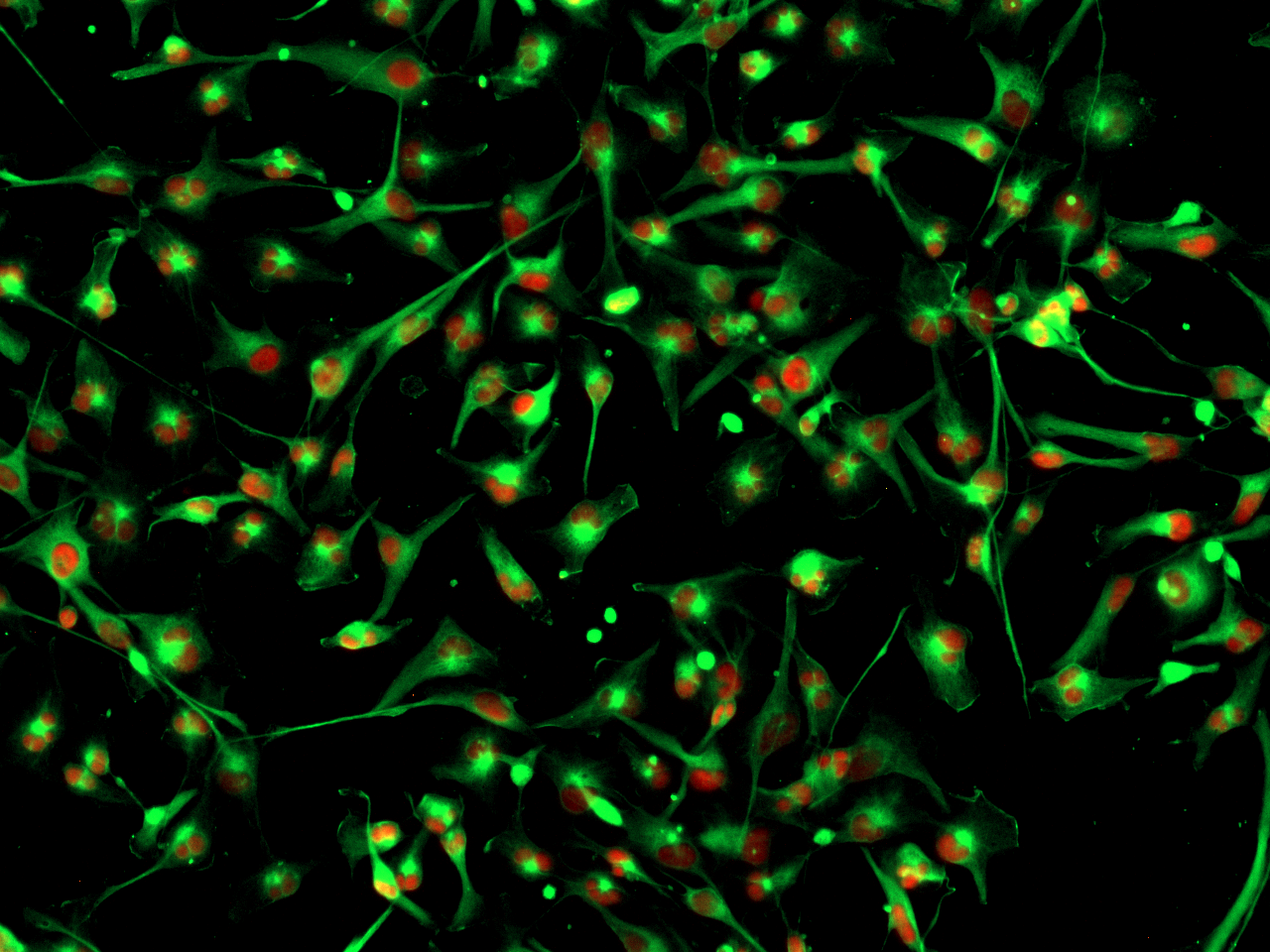
2. High throughput screening, hit discovery and lead optimisation
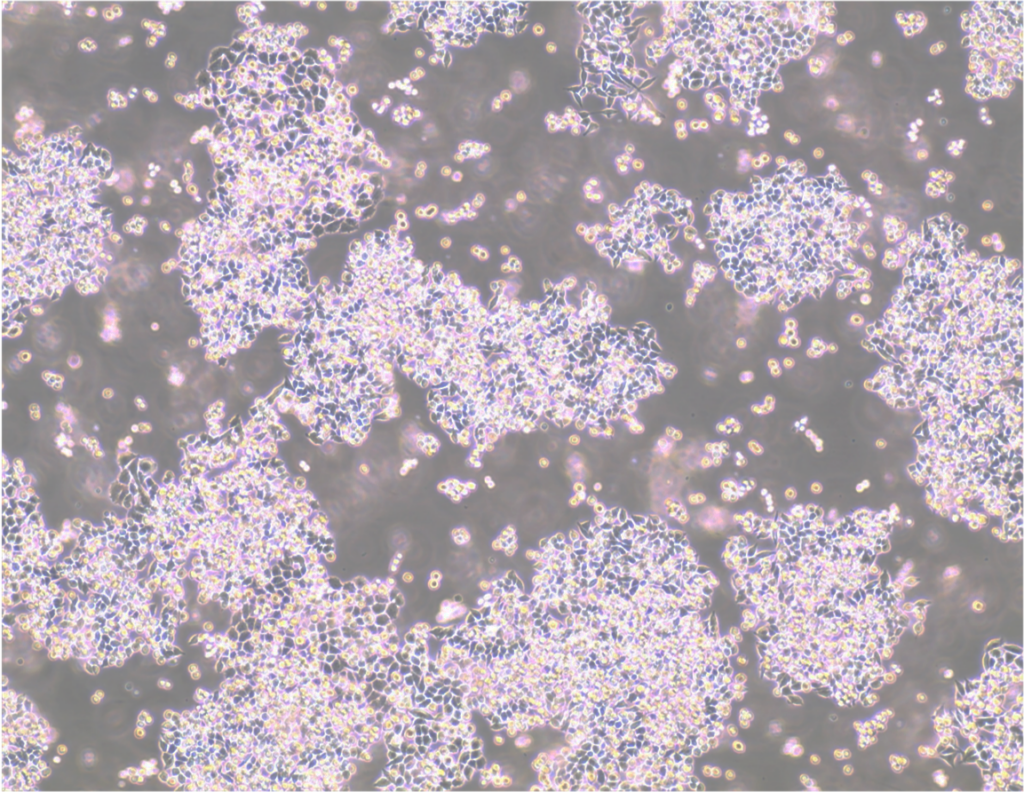
As potential therapeutic compounds emerge, characterising how they affect cancer cells is an important part of drug development.
Our cell lines, antibodies and genetically defined models can support your studies in:
- Candidate drug activity
- Cellular response and therapeutic vulnerabilities
- Mechanism of action
- Pathway activity
- Drug sensitivity and resistance
- Identifying therapeutic candidates
Explore key models below to build a deeper understanding of therapeutic response:
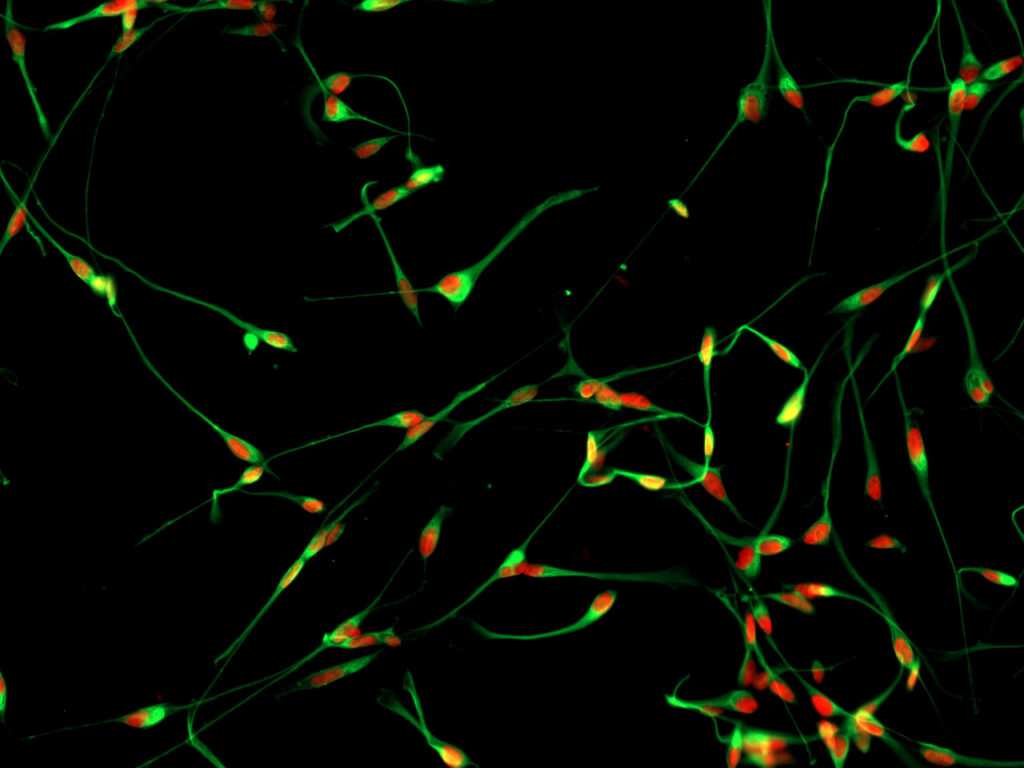
3. Preclinical evaluation and translational research
Understanding how experimental findings relate to human disease is an important part of translational cancer research.
Preclinical and advanced patient-derived cell line (PDC) and xenograft (PDX) models, mouse models and cell lines, and PlasmaxTM, a physiologically relevant cell culture medium, that can allow the generation of more predictive data, improving clinical translation and help you investigate tumour heterogeneity, biomarkers, treatment response, efficacy and resistance, providing you with complementary evidence alongside other experimental approaches.
Choosing the right research tool for your research
Not all models answer the same questions.
A research tool’s biological relevance and origins can influence the questions you can confidently ask and the conclusions you can make. When selecting a model, consider:
- Biological relevance – does it reflect the disease or molecular context you are investigating?
- Genetic background – does it contain the mutations or alterations relevant to your research?
- Origins – do you understand where the research tool originated and how it has been characterised?
- Research application – is it appropriate for the experimental question you need to answer?
Need help finding the right model?
Our team can help you explore the CancerTools portfolio based on your research requirements.