Anti-Cdk1 [Y100.4]
Cdk1 (Cdc2) is a serine/threonine kinase which forms complexes with cyclins A and B which then phosphorylate a variety of target substrates to enable cell cycle progression. Therefore, Cdk1 is a marker for proliferating tumour cells.
Contributors
| Inventor | Institute |
|---|---|
| Julian Gannon | Cancer Research UK, London Research Institute: Clare Hall Laboratories |
| Cat. #: | 151185 |
|---|---|
| Tool sub type: | Primary antibody |
| Unit size: | 100 ug |
| Research Fields: | Cancer;Cell biology;Neurobiology |
| Application: | WB ; WB |
| Target: | Cyclin Dependent Kinase 1 (Cdk1, Cdc2) |
| Reactivity: | Schizosaccharomyces pombe |
| Clone: | Y100.4 |
| Host: | Mouse |
| Class: | Monoclonal |
| Alternate name: | Cyclin-Dependent Kinase 1; Cell Division Cycle 2, G1 To S And G2 To M; Cell Division Control Protein 2 Homolog; Cell Division Protein Kinase 1; P34 Protein Kinase; P34CDC2; CDC28A; CDC2; Cell Cycle Controller CDC2; CDKN1 |
|---|---|
| Product description: | Cdk1 (Cdc2) is a serine/threonine kinase which forms complexes with cyclins A and B which then phosphorylate a variety of target substrates to enable cell cycle progression. Therefore, Cdk1 is a marker for proliferating tumour cells. |
| Conjugation: | Unconjugated |
| Isotype: | IgG2b |
| Immunogen: | Peptide spanning the C-terminal 14 residues of S. pombe Cdk1. |
| Myeloma used: | Sp2/0-Ag14 |
| Target background: | Cdk1 (Cdc2) is a serine/threonine kinase which forms complexes with cyclins A and B which then phosphorylate a variety of target substrates to enable cell cycle progression. Therefore, Cdk1 is a marker for proliferating tumour cells. |
|---|
| Format: | Liquid |
|---|---|
| Concentration: | 1 mg/ml |
| Storage buffer: | PBS with 0.02% azide |
| Storage conditions: | -15° C to -25° C |
| Shipping conditions: | Dry ice |
| References: |
Mennie et al. 2018. Nat Commun. 9(1):586. PMID: 29422503. Chang et al. 2013. PLoS Genet. 9(11):e1003936. PMID: 24244195. Fission yeast shelterin regulates DNA polymerases and Rad3(ATR) kinase to limit telomere extension. Radcliffe et al. 1998. Mol Biol Cell. 9(7):1757-71. PMID: 9658169. Identification of novel temperature-sensitive lethal alleles in essential beta-tubulin and nonessential alpha 2-tubulin genes as fission yeast polarity mutants. Yamano et al. 1996. EMBO J. 15(19):5268-79. PMID: 8895572. The role of proteolysis in cell cycle progression in Schizosaccharomyces pombe. |
|---|
Images
View Gallery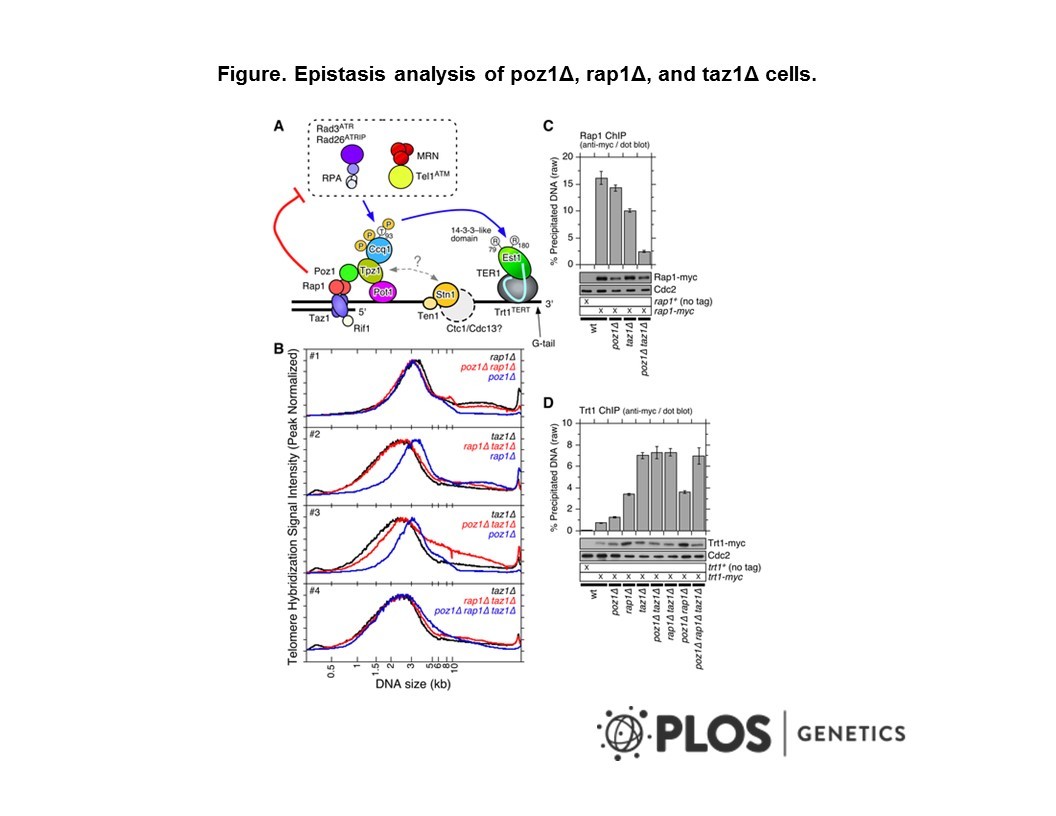
Product Images
af494119-0503-4049-8d97-8b2d84aeeea6.jpg
Adapted from Chang et al. 2013. PLoS Genet. 9(11)
Related Tools for Antibodies
| Cat. # | Tool Name | |||||||||||||||||||||
|---|---|---|---|---|---|---|---|---|---|---|---|---|---|---|---|---|---|---|---|---|---|---|
| 151021 | Anti-CyclinB1 [V152] |
Key Info
Anti-CyclinB1 [V152]
|
View Tool | |||||||||||||||||||
| 151025 | Anti-Vascular endothelium [10] |
Key Info
Anti-Vascular endothelium [10]
|
View Tool | |||||||||||||||||||
| 151026 | Anti-FCGR1 [10.1] mAb |
Key Info
Anti-FCGR1 [10.1] mAb
|
View Tool | |||||||||||||||||||
| 151038 | Anti-Cytochrome P450 4A2, 4A3 [Clo4] |
Key Info
Anti-Cytochrome P450 4A2, 4A3 [Clo4]
|
View Tool | |||||||||||||||||||
| 151018 | Anti-Mos [R38.1] |
Key Info
Anti-Mos [R38.1]
|
View Tool | |||||||||||||||||||