Instituto de Medicina Molecular Jo?Âo Lobo Antunes
SKU:
160727
Product description:
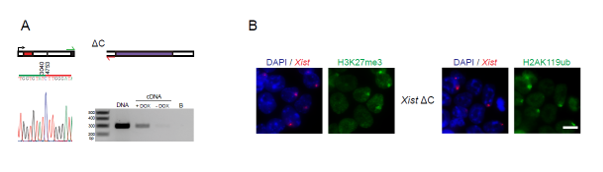
Deletion of mouse Xist lncRNA to dissect specific RNA modules in the process of X-chromosome inactivation.
Conditional:
No
Conditional description:
Inducible through addition of doxycycline (1.5 ÄÂÄ?g/ml) to the medium
Production details:
CRISPR/Cas9 genome editing of the Xist-TetOP XY ESC line
Additional notes:
Cancer Research Technology Limited (trading research tools as Ximbio) has been granted a non-exclusive license to the CRISPR-Cas9 technology by ERS Genomics Ltd under the patent rights listed here. This license from ERS Genomics Ltd allows Ximbio to develop and commercialise CRISPR-Cas9 modified cell lines for research use only. Ximbio can provide these modified CRISPR-Ca…
Parental cell line:
Xist-TetOP XY ESCs (Wutz et al., 2002 PMID: 11780141)
Cat. #:
160727
Tool sub type:
Continuous
Unit size:
1×10^6 cells / vial
Research Fields:
Genetics; Stem cell biology
Organism:
Mouse
Model:
Stem Cells
Growth properties:
No disruption of Polycomb recruitment to the inactive X-chromosome.
Format:
Frozen
Shipping conditions:
Dry ice
Growth medium:
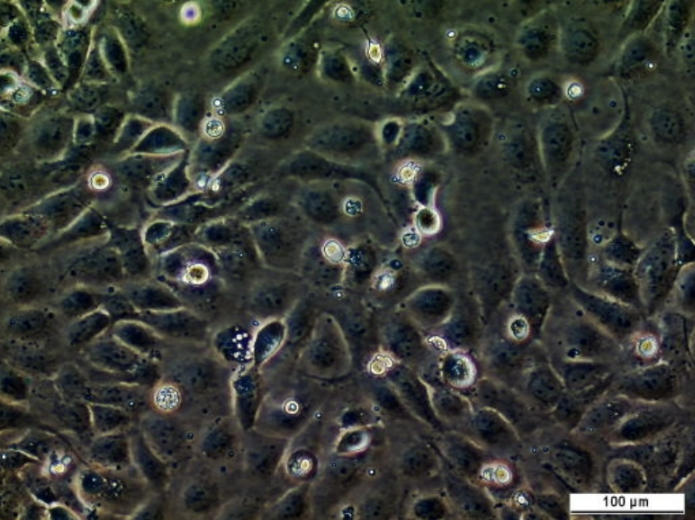
ESCs grow in feeder-free classic ESC medium DMEM media containing 15% fetal bovine serum (FBS), 103 U/ml leukemia inhibitor factor (LIF), 10-4 mM 2-mercaptoethanol, 50 U/ml penicillin, and 50 ?g/ml of streptomycin (Gibco) at 37?°C in 5-8% CO2. Medium is changed daily Inducible expression of Xist driven by a TetO promoter is achieved by adding DOX (1.5 ?g/ml).
Recommended controls:
Xist-TetOP XY ESCs (Wutz et al., 2002 PMID: 11780141)
References:
Bousard et al. 2019. EMBO Rep. 20(10):e48019. PMID: 31456285.
Please ensure you use your organisation email address rather than personal where possible, as this helps us locate your organisation in our system faster.
Please note we may take up to three days to respond to your enquiry.
CancerTools.org uses the contact information provided to respond to you about our research tools and service. For more information please review our privacy policy.