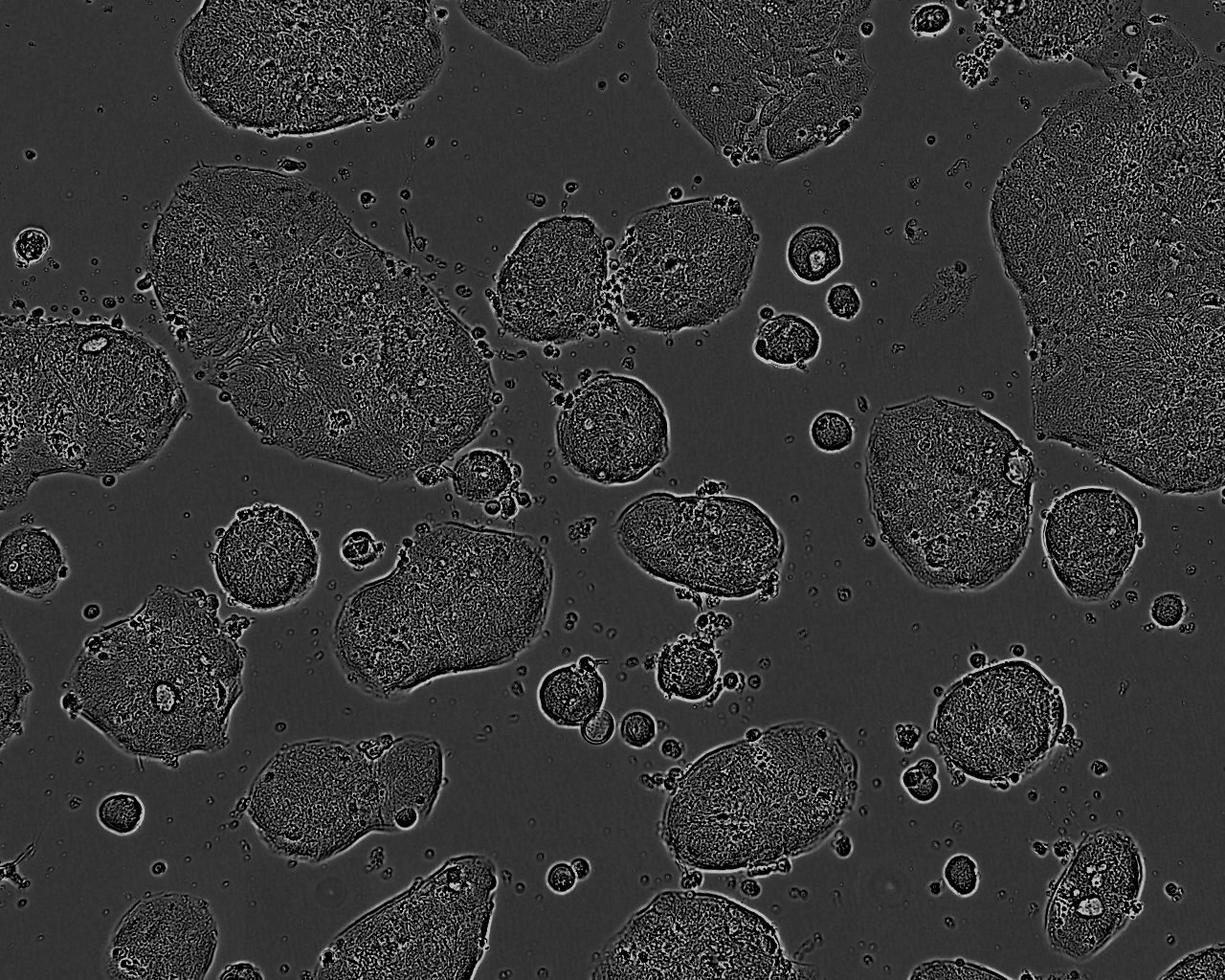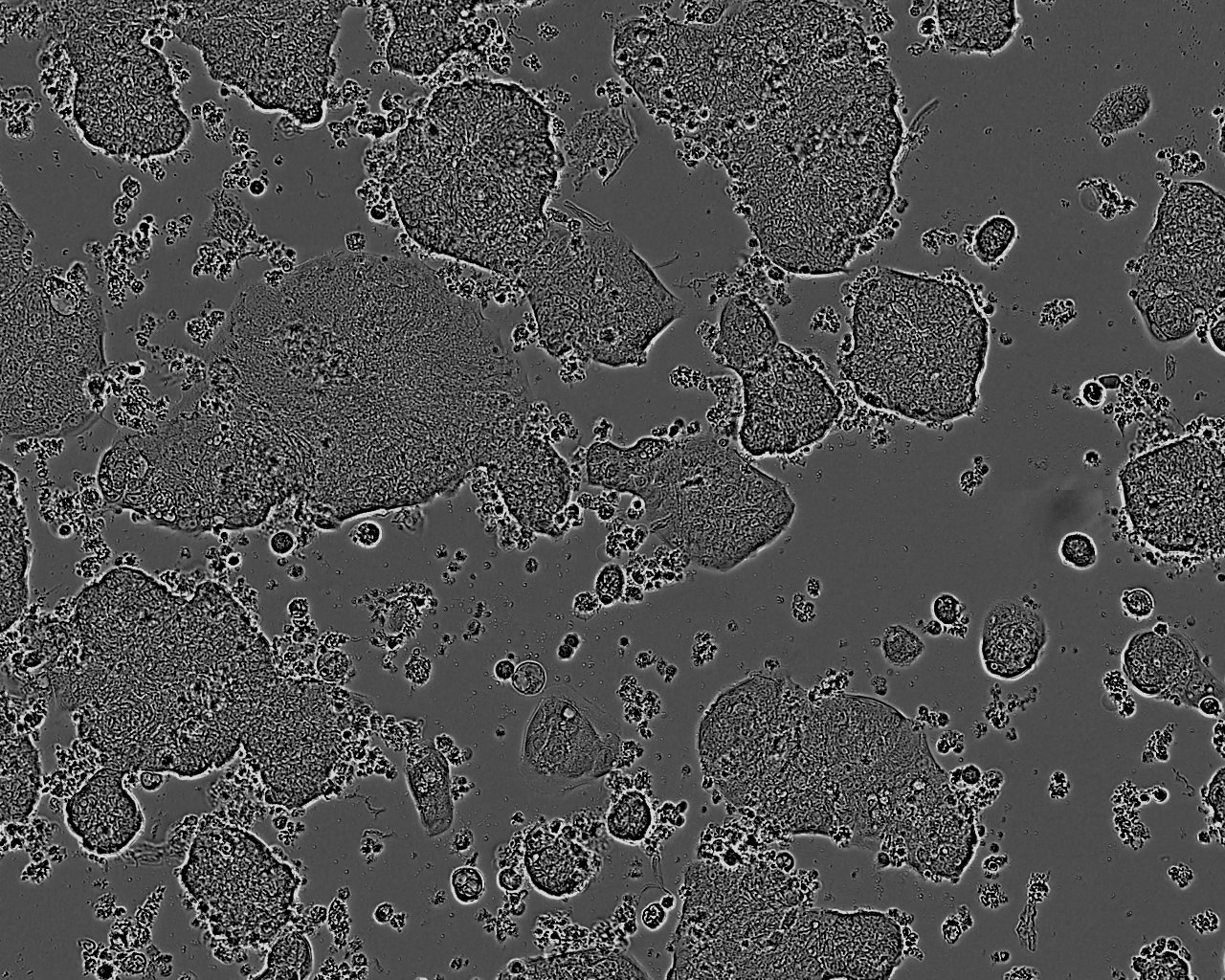

Cat. #151763
C125PM Colorectal Cell Line
Cat. #: 151763
Unit size: 1x10^6 cells / vial
Organism: Human
Tissue: Colon
Disease: Cancer
Model: Tumour line
£575.00
This fee is applicable only for non-profit organisations. If you are a for-profit organisation or a researcher working on commercially-sponsored academic research, you will need to contact our licensing team for a commercial use license.
Contributor
Inventor: Walter Bodmer
Institute: Cancer Research UK, London Research Institute: Lincoln's Inn Fields
Tool Details
*FOR RESEARCH USE ONLY (for other uses, please contact the licensing team)
- Name: C125PM Colorectal Cell Line
- Alternate name: C125PM; C125
- Cancer type: Colorectal cancer
- Cancers detailed: Adenocarcinoma
- Research fields: Cancer;Drug development
- Organism: Human
- Tissue: Colon
- Disease: Cancer
- Growth properties: Adherent
- Model: Tumour line
- Conditional: Yes
- Description: C125PM is a human colorectal adenocarcinoma cell line.
- Cellosaurus id: CVCL_8175
Handling
- Format: Frozen
- Growth medium: Iscove's Modified Dulbecco's Medium, + 10% Foetal Bovine Serum (FBS) + 2 mM Glutamine.
- Unit size: 1x10^6 cells / vial
- Shipping conditions: Dry ice
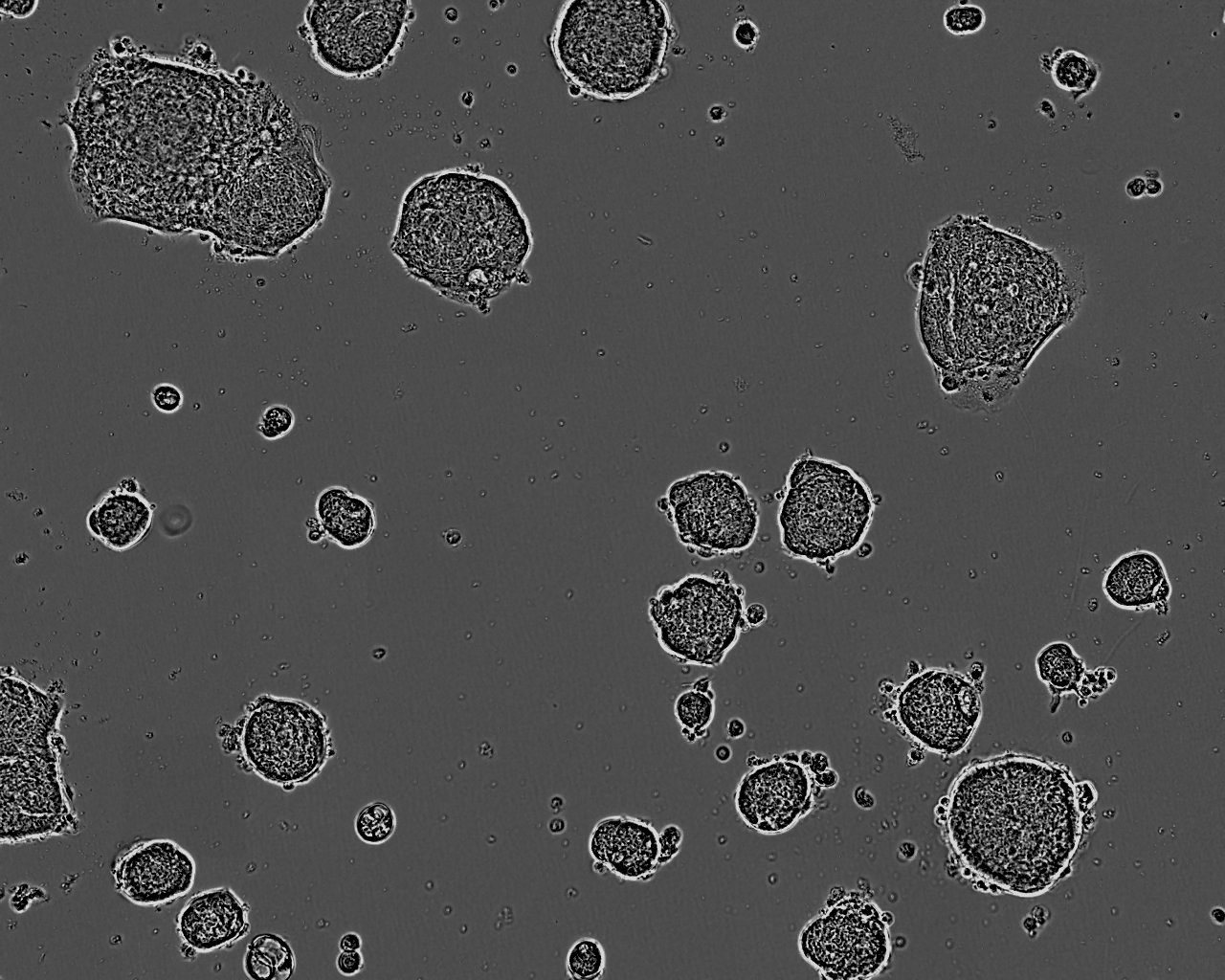
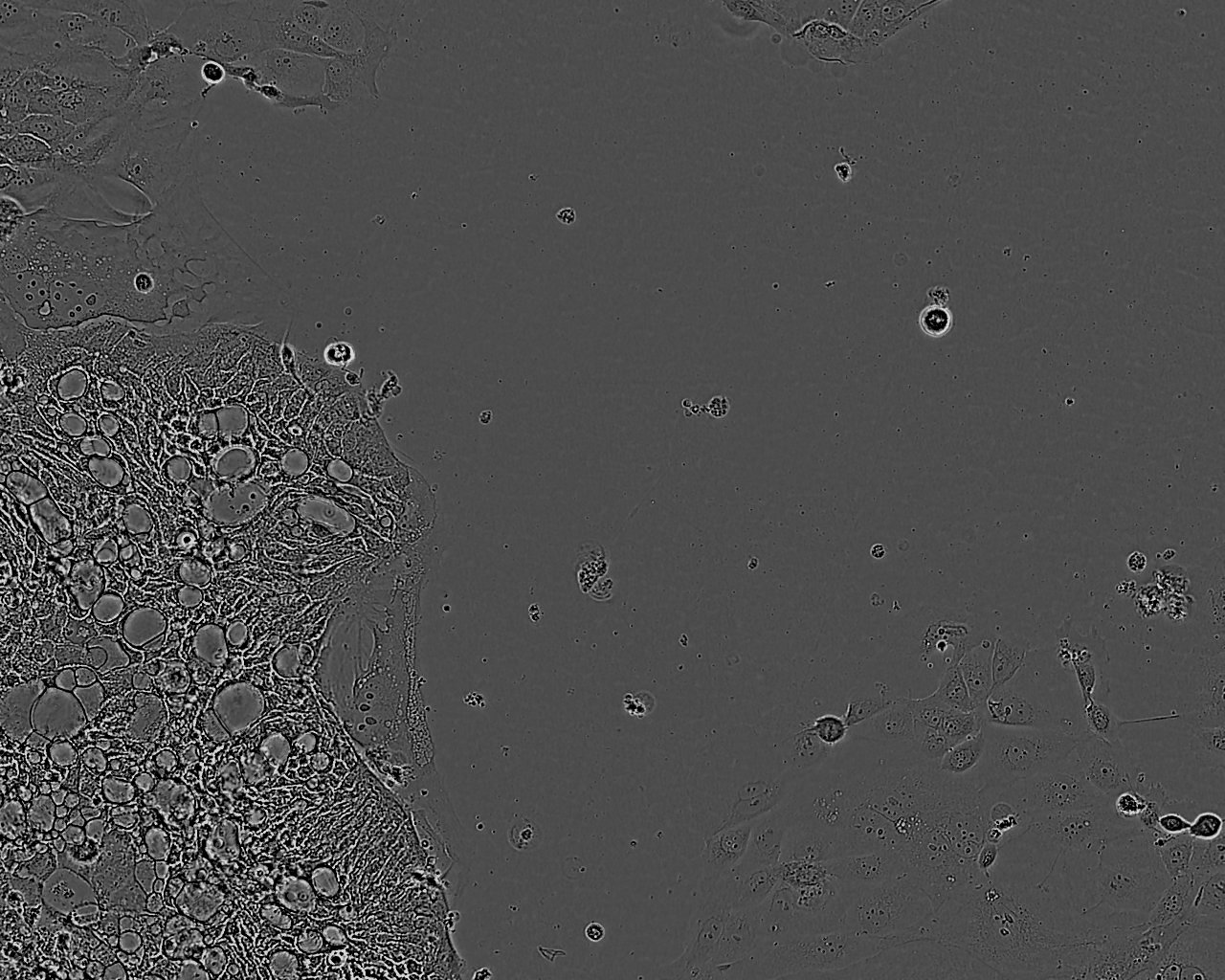
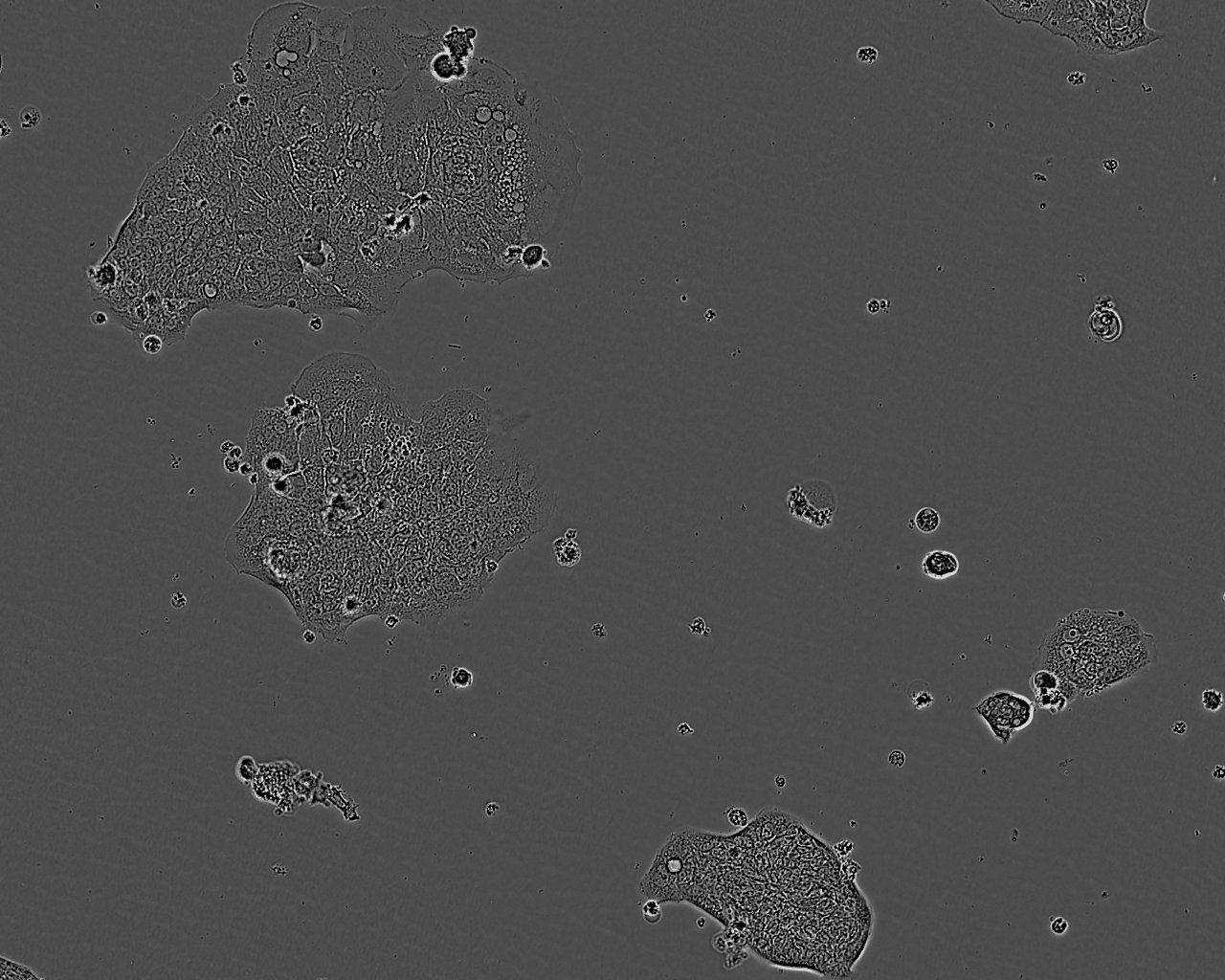
- Subculture routine: Split sub-confluent cultures (70-80%) 1:3 to 1:6 i.e. seeding at 2-4x10,000 cells/cm² using 0.05% trypsin or trypsin/EDTA; 5% CO₂; 37°C. C125PM cells grow slowly (see growth curve); following resuscitation or subculture the cells take at least 48 hours to re-attach. Cells should be left without disturbance during this time to facilitate adhesion. Centrifugation of the cells (100g x 5 min) at resuscitation to remove DMSO improves the establishment of a viable culture. Once attached, the cells grow in discrete islands and use of trypsin or trypsin/EDTA to subculture the cells (even without knocking the flask) yields large clumps. Further disaggregation may be achieved by repeatedly pipetting the cells.
References
- Mariella et al. 2024. Mol Oncol. 18(6):1460-1485. PMID: 38468448.
- Frejno et al. 2017. Mol Syst Biol. 13(11):951. PMID: 29101300.
- Medico et al. 2015. Nat Commun. 30:7002. PMID: 25926053.
- Mouradov et al. 2014. Cancer Res. 74(12):3238-3247. PMID: 24755471.
- Schlicker et al. 2012. BMC Med Genomics. 5:66. PMID: 23272949.
- Janakiraman et al. 2010. Cancer Res. 70(14):5901-5911. PMID: 20570890.
- Emaduddin et al. 2008. Proc Natl Acad Sci U S A. 105(7):2358-2362. PMID: 18258742.
- Liu et al. 2006. Proc Natl Acad Sci U S A. 103(4):976-981. PMID: 16418264.
- Rowan et al. 2000. Proc Natl Acad Sci U S A. 97(7):3352-3357. PMID: 10737795.

![Anti-CAR Whitlow Linker [1C3C3]](https://cancertools.org/wp-content/uploads/Figure-6-Kimble-et-al.-J-Immunother-Cancer-2025-300x322.jpg 300w, https://cancertools.org/wp-content/uploads/Figure-6-Kimble-et-al.-J-Immunother-Cancer-2025-280x300.jpg 280w, https://cancertools.org/wp-content/uploads/Figure-6-Kimble-et-al.-J-Immunother-Cancer-2025-954x1024.jpg 954w, https://cancertools.org/wp-content/uploads/Figure-6-Kimble-et-al.-J-Immunother-Cancer-2025-768x824.jpg 768w, https://cancertools.org/wp-content/uploads/Figure-6-Kimble-et-al.-J-Immunother-Cancer-2025.jpg 1193w)