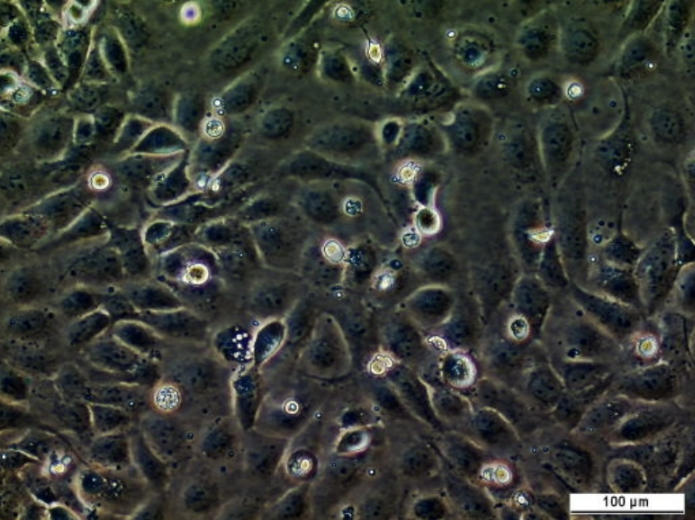
Vitiligo Melanocyte Cell Line, Perilesional
Vitiligo is a long-term skin condition characterised by patches of the skin losing their pigment. The patches of skin affected become white and usually have sharp margins. The exact cause of vitiligo is unknown however it is believed to be due to genetic susceptibility that is triggered by an environmental factor such that an autoimmune disease occurs. This results in the destruction of skin pigment cells. Risk factors include a family history of the condition or other autoimmune diseases, such as hyperthyroidism, alopecia areata, and pernicious anemia. Globally about 1% of people are affected by vitiligo. Primary melanocytes isolated from…