Anti-PCNA [PC11]
PCNA, also known as polymerase delta auxiliary protein, is essential for DNA replication and is involved in DNA excision and mismatch repair pathways. PCNA binds to the CDK inhibitor p21, the structure-specific endonucleases Fen1 and XPG, and DNA cytosine 5-methyltransferase (MCMT). PCNA is a potentially useful marker of cells with proliferative potential and for identifying […]
Contributors
| Inventor | Institute |
|---|---|
| David Lane | Cancer Research UK, London Research Institute: Clare Hall Laboratories |
| Cat. #: | 151149 |
|---|---|
| Tool sub type: | Primary antibody |
| Unit size: | 100 ug |
| Research Fields: | Cancer;Cell biology;Genetics |
| Application: | IHC ; WB |
| Target: | Proliferating cell nuclear antigen, (PCNA), also known as cyclin or polymerase delta accessory protein. |
| Reactivity: | Human ; Schizosaccharomyces pombe |
| Clone: | PC11 |
| Host: | Mouse |
| Class: | Monoclonal |
| Alternate name: | Proliferating Cell Nuclear Antigen; DNA Polymerase Delta Auxiliary Protein; ATLD2 |
|---|---|
| Product description: | PCNA, also known as polymerase delta auxiliary protein, is essential for DNA replication and is involved in DNA excision and mismatch repair pathways. PCNA binds to the CDK inhibitor p21, the structure-specific endonucleases Fen1 and XPG, and DNA cytosine 5-methyltransferase (MCMT). PCNA is a potentially useful marker of cells with proliferative potential and for identifying the proliferation status of tumour tissue (i.e. relevant to prognosis). |
| Conjugation: | Unconjugated |
| Isotype: | IgG1 |
| Molecular weight: | 36 kDa |
| Immunogen: | Protein A-PCNA fusion obtained from pC2T. |
| Myeloma used: | Sp2/0-Ag14 |
| Target background: | PCNA, also known as polymerase delta auxiliary protein, is essential for DNA replication and is involved in DNA excision and mismatch repair pathways. PCNA binds to the CDK inhibitor p21, the structure-specific endonucleases Fen1 and XPG, and DNA cytosine 5-methyltransferase (MCMT). PCNA is a potentially useful marker of cells with proliferative potential and for identifying the proliferation status of tumour tissue (i.e. relevant to prognosis). |
|---|
| Format: | Liquid |
|---|---|
| Concentration: | 1.1 mg/ml |
| Storage buffer: | PBS with 0.02% azide |
| Storage conditions: | -15° C to -25° C |
| Shipping conditions: | Dry ice |
| References: |
Espinosa et al. 2013. PLoS One. 8(2):e55975. PMID: 23405241. Mitosis is a source of potential markers for screening and survival and therapeutic targets in cervical cancer. Singh et al. 2011. PLoS One. 6(9):e25125. PMID: 21966433. Partial inhibition of estrogen-induced mammary carcinogenesis in rats by tamoxifen: balance between oxidant stress and estrogen responsiveness. Waseem et al. 1990. J Cell Sci. 96 ( Pt 1):121-9. PMID: 1695635. Monoclonal antibody analysis of the proliferati… |
|---|
Images
View Gallery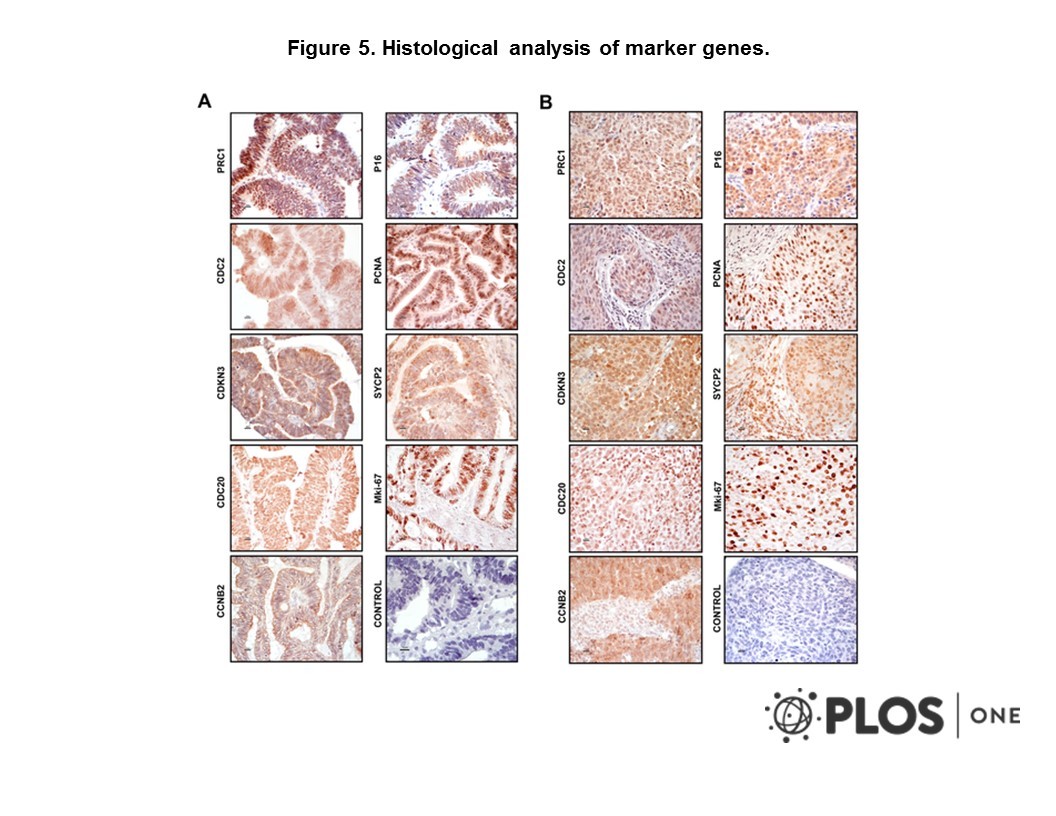
Product Images
6c43b786-c4a2-4f9b-9531-7ce3cb69cb5f.jpg
Adapted from Espinosa et al. 2013. PLoS One. 8(2)
Related Tools for Antibodies
| Cat. # | Tool Name | |||||||||||||||||||||
|---|---|---|---|---|---|---|---|---|---|---|---|---|---|---|---|---|---|---|---|---|---|---|
| 151022 | Anti-IL12 [1-1A4] |
Key Info
Anti-IL12 [1-1A4]
|
View Tool | |||||||||||||||||||
| 151026 | Anti-FCGR1 [10.1] mAb |
Key Info
Anti-FCGR1 [10.1] mAb
|
View Tool | |||||||||||||||||||
| 151031 | Anti-RuvA [RuvA 12C6] |
Key Info
Anti-RuvA [RuvA 12C6]
|
View Tool | |||||||||||||||||||
| 151033 | Anti-HSVUL42 [13C9] |
Key Info
Anti-HSVUL42 [13C9]
|
View Tool | |||||||||||||||||||
| 151034 | Anti-HSVUL42 [13D11] |
Key Info
Anti-HSVUL42 [13D11]
|
View Tool | |||||||||||||||||||