C106 Colorectal Cell Line
Exclusive toolThe C106 cell line was established from a 78-year old female patient with a moderately well differentiated adenocarcinoma of the rectum
Contributors
| Inventor | Institute |
|---|---|
| Walter Bodmer | University of Oxford |
| SKU: | 151762 |
|---|---|
| Product description: | The C106 cell line was established from a 78-year old female patient with a moderately well differentiated adenocarcinoma of the rectum classified as Dukes’ stage A |
| Alternate name: | C106 |
| Gender: | Female |
| Conditional: | Yes |
| Cellosaurus ID: | CVCL_M011 |
| Disease: | Cancer |
| Cat. #: | 151762 |
|---|---|
| Provenance and Ownership: | The C106 Colorectal Cell Line is owned by Cancer Research UK. CancerTools supplies the C106 Colorectal Cell Line under licence from Cancer Research UK and is the authorised source for its distribution. Sourcing C106 Colorectal Cell Line directly from the IP owner ensures authenticity, provenance and compliance with all applicable licensing and research use requirements. |
| Unit size: | 1×10^6 cells / vial |
| Cancer types: | Colorectal cancer |
| Research Fields: | Cancer;Drug development |
| Organism: | Human |
| Tissue: | Rectum |
| Gender: | Female |
| Model: | Tumour line |
| Growth properties: | Adherent |
| Cancer Types In Detail: | Adenocarcinoma |
| Format: | Frozen |
|---|---|
| Shipping conditions: | Dry ice |
| Growth medium: | Iscove’s Modified Dulbecco’s Medium, + 10% Foetal Bovine Serum (FBS) + 2 mM Glutamine. |
| Subculture routine: | Cells grow as small dense islands and will not form a monolayer. C106 cells grow very slowly. This cell line should be subcultured approximately every 5-8 days. On resuscitation, centrifugation of the cells (100g x 5 min) to remove DMSO improves the establishment of a viable culture. Seed cells at 4-7×10,000 cells/cm² and use 0.05% trypsin or trypsin/EDTA. Detached cells will often remain in clumps which may be further disaggregated by repeated pipetting of the cells. Following resuscitation or subculture, the cells take at least 48 hours to re-attach. Cells should be left without disturbance during this time to facilitate adhesion. Recommended growth conditions 5% CO2; 37°C. Please also see detailed protocol within the Product Datasheet in the Documentation section below. |
| Temperature: | 37°C |
| Atmosphere: | 5% CO2 |
| References: |
Efstathiou et al. 1999. Proc Natl Acad Sci U S A. 96(5):2316-21. PMID: 10051639. Mutated epithelial cadherin is associated with increased tumorigenicity and loss of adhesion and of responsiveness to the motogenic trefoil factor 2 in colon carcinoma cells. |
|---|
Images
View Gallery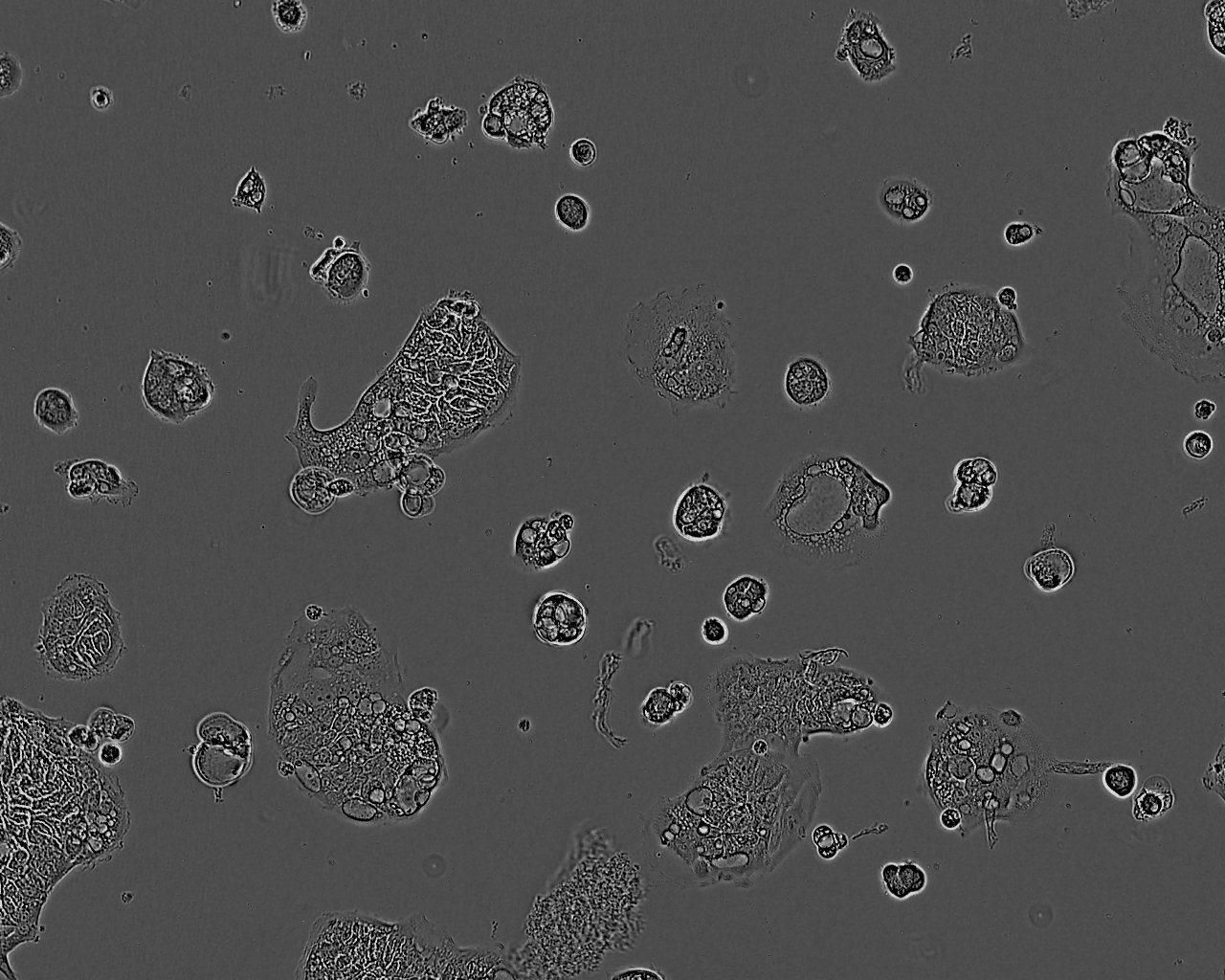
Product Images
C106 Colorectal Cell Line. 3 days post plating. Image courtesy of the European Collection of Authenticated Cell Cultures (ECACC)